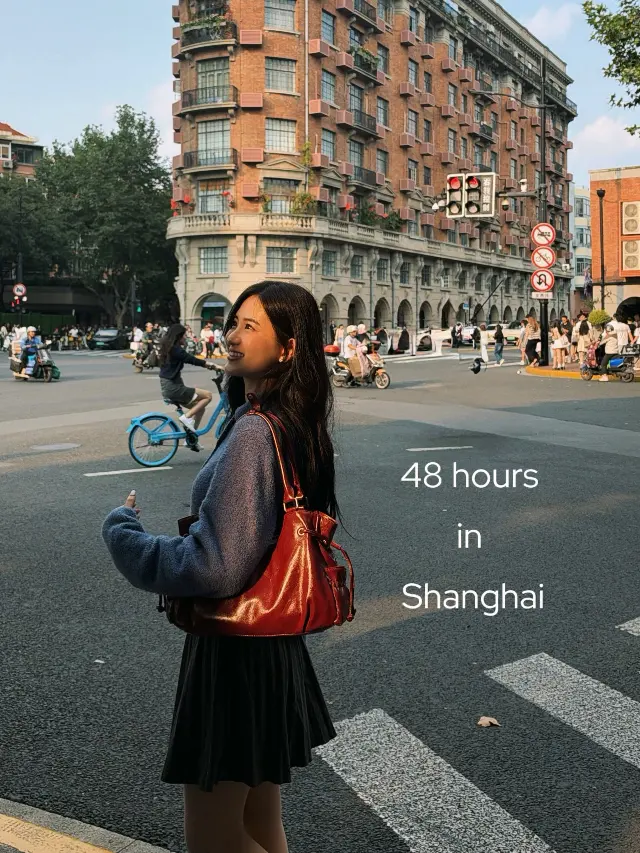
 Shanghai photo diary: autumn city walks through the streets
#Photo Diary
1 ideas
Shanghai photo diary: autumn city walks through the streets
Get new #Photo Diary ideas by email
Every Thursday: the week's best ideas, with the newest from #Photo Diary.
Related tags
Photo Diary: Keeping a Visual Record of Everyday Life
A photo diary is exactly what it sounds like: a journal kept in pictures rather than sentences. Instead of writing down what happened, you photograph it — the walk to work, the lunch you made, the corner of the room where the light falls in the afternoon. Taken together, these small images build a record of a life that words often miss.
Where it comes from
Keeping a diary of images is nearly as old as photography itself. Early photographers carried cameras through their travels and their own streets, recording what they saw with the same impulse that drives a written journal. The habit became something anyone could keep once cameras left the studio and became portable, and later still when phones made a camera something you carry without thinking. What has stayed constant is the idea: one person, one point of view, ordinary moments treated as worth noticing.
The main kinds
Read more
Photo diaries take several familiar shapes. The daily practice — one photograph every day, often for a year — is the most common, and the most demanding. A travel diary concentrates on a trip, recording places, meals, light and small encounters rather than only the landmarks. Some people keep a themed diary: a single street, a single window, a single person. Others work in seasons or projects, following a subject for a few weeks and then stopping. There is no correct form; the shape should follow whatever keeps you taking pictures.
What beginners should know
Start smaller than you think. A photo a day is a demanding promise, and it is better to finish a month than to abandon a year. Decide what your diary is for — memory, practice, or simply paying attention — because that choice quietly determines what you photograph.
A few practical habits help. Keep your camera or phone somewhere easy to reach, since the best photo diary moments are usually the ones you almost didn't bother with. Let the ordinary in: unfinished rooms, half-eaten meals and grey afternoons often become the images you value most later, because they are the ones that actually resemble your life. Look for light before subject — the same kitchen looks entirely different in the morning and at dusk. And resist the urge to edit only for beauty; a diary with some dull or awkward frames is more honest, and more interesting, than a portfolio of highlights.
Think about how you will keep them. A folder per month, a printed album, or a simple sequence with no system at all — but some order matters, because a diary only becomes a diary once the pictures sit next to each other and start to tell a story.
Why it is worth the trouble
Most days feel unremarkable while you are living them. Photographing them changes that slightly: you begin to notice what you would otherwise walk past, and you end up with a record of a period of your life that no posed photograph could give you. Begin with today.
#Photo Diary: frequently asked questions
How do I start a photo diary?
Begin with whatever camera is already in your pocket and take a picture of something in front of you today, without waiting for a good subject. Pick a purpose first — remembering, practising, or simply slowing down to look — because that choice quietly shapes what you end up photographing. The first few frames will feel dull, and that is normal; the diary only starts to make sense once the pictures accumulate.
Which kind of photo diary should I choose?
Choose the shape that fits the rhythm of your life rather than the most impressive one. A daily practice builds an honest record of ordinary time, a travel diary suits a trip, and a themed diary — a street, a window, a person — works well when you want a project with a clear end. If you are unsure, commit to a short experiment, finish it, and then decide whether to continue.
Do I need a special camera to keep a photo diary?
No — a phone is perfectly good, and its advantage is that it is always with you. What matters far more is keeping the camera easy to reach, since the frames you almost skipped are usually the ones you treasure later. Fancy gear does not make a diary more honest; attention does.
How do I keep a photo diary going without giving up?
Set the bar deliberately low so that a bad day still produces a picture — an unmade bed or a grey window counts. Keeping the camera somewhere obvious removes the small friction that kills the habit, and letting imperfect frames stay in the sequence keeps it from turning into a highlight reel. If you fall behind, resume with today rather than trying to catch up.
How should I organise and store my photo diary pictures?
Any simple system beats none: a folder per period, a printed album, or a running sequence you add to without much thought. The important thing is that the images sit next to each other, because a diary becomes a diary only when the pictures begin to speak to one another. Printing occasionally helps too, since a stack of photos on paper reads differently from a scroll of files.
What mistakes do people make with a photo diary?
The most common is starting too ambitiously and quietly abandoning it, which teaches you nothing about your own eye. The second is editing only for prettiness, which strips out the ordinary rooms, half-eaten meals and flat light that actually resemble your life. Aim for an honest record rather than a portfolio, and look for light before you look for a subject.
Videos come from YouTube and posts from Instagram; titles and summaries are our own. All rights belong to their creators.