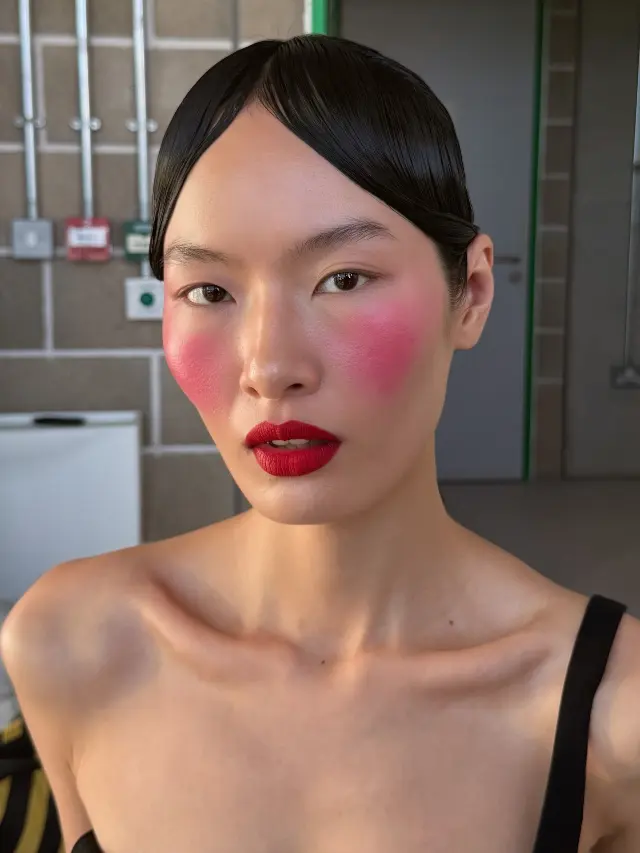
 Editorial beauty looks created on model Min Min
#Photo Shoot
2 ideas
Editorial beauty looks created on model Min Min
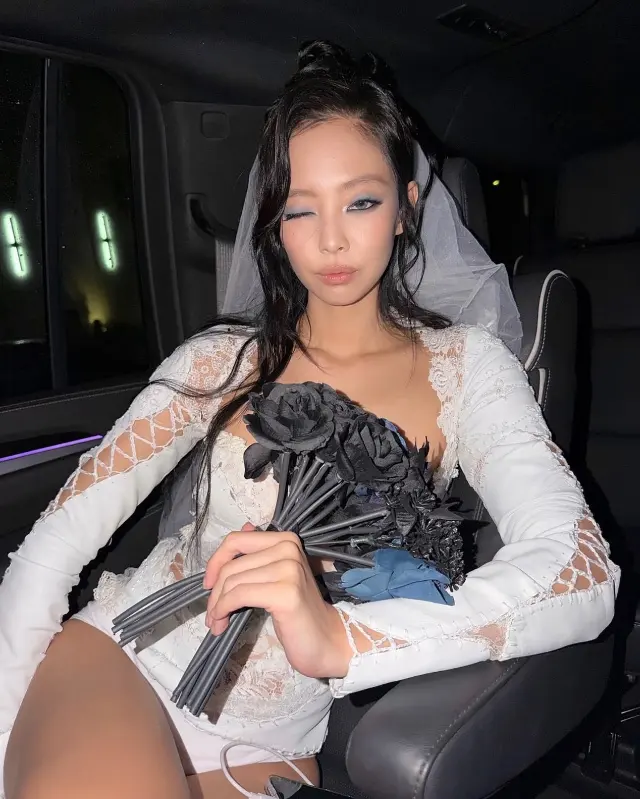 Jennie Ruby Jane Halloween look captured by two photographers
Get new #Photo Shoot ideas by email
Every Thursday: the week's best ideas, with the newest from #Photo Shoot.
Related tags
Photo Shoot: A Guide to Planning, Lighting and Directing
A photo shoot is an organised session in which images are made on purpose rather than captured by chance. Someone chooses the subject, the place, the light and the look in advance, then works through a set of pictures with a clear idea in mind. It can be as small as a person and a camera in a bedroom or as large as a crew of stylists, assistants and technicians on location, but the underlying logic is the same: decide what you want the picture to say, then arrange everything in the frame to say it.
Photo shoots sit somewhere between craft and production. The early portrait studios of the nineteenth century already relied on painted backdrops, careful posing and long exposures, and fashion photography grew out of that studio tradition once printing made images cheap enough to circulate widely. Today the format is used for almost everything: portraits, fashion, weddings, products, food, interiors, family albums and personal projects.
Main kinds of shoots
- Portrait and headshot sessions, usually short, focused on a single face and expression.
- Fashion and editorial shoots, built around styling, hair, make-up and a story or mood.
- Product and still life work, where accuracy and clean lines matter more than atmosphere.
- Lifestyle and documentary sessions, following people through ordinary moments.
- Event and wedding coverage, where you respond to what happens rather than direct it.
Read more
Before the day
Preparation carries most of the weight. Build a simple plan: a few reference images gathered into a shared folder, a short list of the shots you must not leave without, and a note of the location, timing and people involved. Check the light where you intend to work, since it will shape everything else. Test your equipment at home so you arrive knowing how the camera behaves in low light or bright sun. If other people are involved, tell them what to wear, how long it will take and what the pictures are for.
On the day
Beginners often over-direct and under-observe. Start with something easy to let everyone settle, then adjust. Small changes of angle, position or distance alter an image far more than most people expect, so move before you add equipment. Watch the background as carefully as the subject — a bright window or a distracting object can quietly ruin a good photograph. Offer clear, simple instructions and then give people room to be themselves; the in-between moments are often the ones worth keeping. Take more frames than you think you need, but review as you go rather than hoping the answer appears afterwards.
After the shoot
A gentle edit usually serves better than a heavy one: correct the exposure, tidy the framing, keep the colour natural. Choose the strongest images and let the rest go. If you worked with other people, agree beforehand how and where the photographs may be shared, and be considerate about images of children. Finally, look back at what you planned against what you actually made — that comparison teaches more than any single session.
#Photo Shoot: frequently asked questions
How do I plan my first photo shoot?
Start with a clear idea of what you want the pictures to say, then gather a few reference images into one folder and list the shots you absolutely must come away with. Note the location, the timing and who is involved, and check the light where you plan to work, since it shapes everything else. Testing your equipment beforehand means you arrive knowing how it behaves in bright sun or low light.
What do I need to have ready before the day?
You need a workable camera you understand, a simple plan, and clear communication with anyone taking part. Tell people what to wear, how long it will take and what the photographs are for, so nobody arrives uncertain. Beyond that, the most useful preparation is looking at reference images and knowing the light in your chosen spot.
Which kind of shoot should I choose?
It depends on what the images are for: portraits and headshots stay short and focused on a single face, fashion and editorial work is built around styling and a mood, and product or still life favours accuracy and clean lines over atmosphere. Lifestyle and documentary sessions follow people through ordinary moments, while event and wedding coverage asks you to respond to what happens rather than direct it. Pick the format that matches the story you want the pictures to tell.
What are the most common mistakes beginners make?
Over-directing and under-observing is the usual one: people give too many instructions and forget to watch what is actually in front of them. Another is reaching for equipment before moving — a small change of angle, position or distance alters a picture far more than gear does. Ignoring the background is the third, since a bright window or a stray object can quietly spoil an otherwise good frame.
How much editing should I do afterwards?
A gentle edit generally serves better than a heavy one: correct the exposure, tidy the framing and keep the colour natural. Choose the strongest images and let the rest go rather than trying to rescue everything. If other people were involved, agree beforehand how and where the photographs may be shared, and be especially considerate with images of children.
Do I need a studio and a crew to make a photo shoot work?
No — it can be as small as one person with a camera in a bedroom, or as large as a full crew of stylists and assistants on location. The logic is identical either way: decide what you want the picture to say, then arrange everything in the frame to say it. What matters is the intention behind the images, not the size of the production.
Videos come from YouTube and posts from Instagram; titles and summaries are our own. All rights belong to their creators.