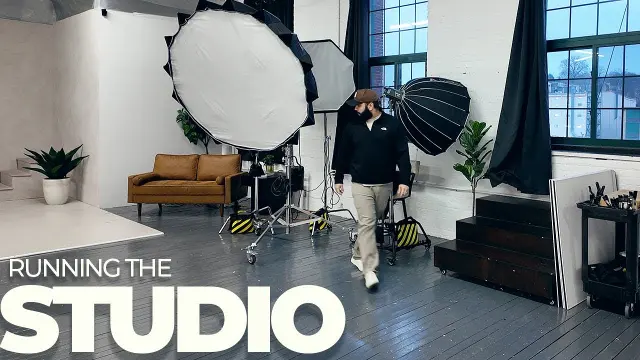
 A Day in the Life of a Photography Studio Owner
#Photography Studio
1 ideas
A Day in the Life of a Photography Studio Owner
Get new #Photography Studio ideas by email
Every Thursday: the week's best ideas, with the newest from #Photography Studio.
Related tags
Photography Studio: A Beginner's Guide to the Craft
A photography studio is a space built or adapted for making photographs under controlled conditions. Rather than depending on whatever the weather or the clock decides to do, a studio lets the photographer shape the light, the background and the arrangement of the subject. That control is the whole point: it makes results repeatable, and it lets an idea be planned before a single frame is taken.
Where the idea comes from
The studio is nearly as old as photography itself. Early portrait makers worked in rooms with glass roofs, using daylight because artificial light was weak and unpredictable. Once bright, reliable lamps arrived, photographers moved indoors for good and the studio became a normal part of professional practice. Today the word covers a wide range of places: a dedicated commercial space, a spare room with a backdrop stand, a rented hall used for a day.
What studios are used for
Read more
Portraits are the most familiar use, but studios also serve product photography, fashion and editorial work, family and newborn sessions, headshots for professional profiles, food styling and craft or artwork documentation. Some photographers specialise entirely in one of these; others keep a studio for the flexibility it offers across several kinds of work.
The main elements of a studio setup
- Light. Continuous lights stay on so you can see exactly what you are getting; flash units are brighter and freeze movement but require more experience to predict.
- Modifiers. Softboxes, umbrellas, beauty dishes and reflectors all do the same basic job: change the size, direction and softness of the light. Soft light comes from large sources placed close; harder light from small sources placed far away.
- Background. Seamless paper, fabric backdrops, painted walls or a plain white corner. A background can be neutral, or it can be part of the composition.
- Support and space. Stands, clamps, sandbags for safety, and enough room to move the camera back — often more room than beginners expect.
- The camera and lens. Studio work is not demanding of equipment. A single mid-range lens and a tripod will carry most sessions.
What beginners should know
Start with one light. Learning to place a single source and observe what it does to a face or an object teaches more than any multi-light diagram. Then add a reflector before adding a second lamp.
Backgrounds matter more than people assume. A subject standing too close to the paper will cast a hard shadow on it and pick up its colour; a little distance cleans both problems at once.
Mind the colour of the light. Different lamps and mixed daylight in the room can produce an uneven cast that is difficult to fix later. Keeping one kind of light source in the frame is the simplest safeguard.
Tidy the edges of the frame. Studio photographs fail more often at the corners than at the centre — a stand, a cable, a creased backdrop.
Finally, keep safety in view. Lights get hot, stands tip, cables trip. Weight the bases, tape the leads down, and leave a clear path around the set.
A studio is a tool, not a guarantee. What it offers is a quiet, repeatable place to practise, and that is where the real progress happens.
#Photography Studio: frequently asked questions
How do I start setting up a photography studio at home?
Begin with a single light and a plain backdrop in the largest room you can clear, since one source teaches you more than a full kit ever will. Add a reflector next, and only then consider a second lamp. Leave enough distance between subject and background so shadows and colour spill stop being a problem.
What equipment do I actually need for studio photography?
You need a light with a modifier, something to hold a backdrop, stands weighted for safety, and a camera with one mid-range lens on a tripod. Studio work is not demanding of gear — the control comes from the space and the light placement, not the equipment list. Clamps and sandbags matter as much as the camera does.
Should I choose continuous lighting or flash for a studio?
Continuous lights stay on, so you see the effect before you shoot, which makes them easier to learn on. Flash is brighter and freezes motion, but predicting it takes practice. Many people start continuous and move to flash once they understand light placement.
What are the most common mistakes beginners make in a studio?
Placing the subject too close to the backdrop, which produces a hard shadow and picks up the paper's colour, is the classic one. Mixing light sources so the frame carries an uneven colour cast is another. Check the corners of the frame too — a stray stand, cable or creased paper spoils more shots than the centre does.
What kinds of photography can I do in a studio?
Portraits are the most familiar, but a studio also serves product shots, fashion and editorial work, family and newborn sessions, headshots, food styling and documentation of crafts or artwork. Some photographers specialise in one of these; others keep the space for flexibility across several.
How do I keep a studio setup safe?
Lights get hot and stands tip, so weight the bases and keep cables taped down and out of walking paths. Leave a clear route around the set rather than stepping over leads. A tidy, well-anchored space is also a faster one to work in.
Videos come from YouTube and posts from Instagram; titles and summaries are our own. All rights belong to their creators.