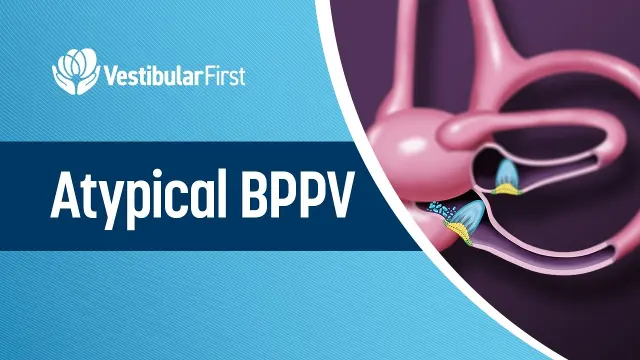
 Continuing Education Course on Atypical BPPV Diagnosis
#Physical Therapy
3 ideas
Continuing Education Course on Atypical BPPV Diagnosis
 Choosing Continuing Education Worth It for Pediatric PTs
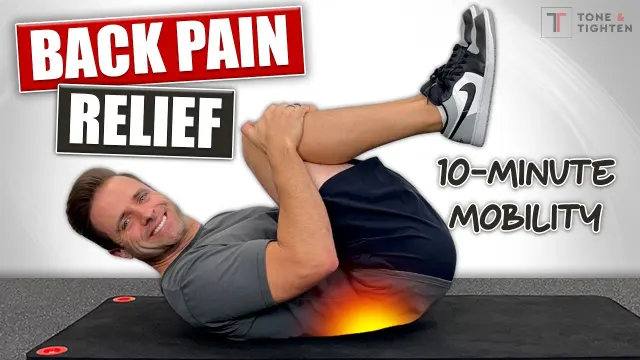 Ten Minute Guided Mobility Routine for Lower Back Relief
Get new #Physical Therapy ideas by email
Every Thursday: the week's best ideas, with the newest from #Physical Therapy.
Related tags
A Beginner's Guide to Physical Therapy
Physical therapy is a form of healthcare focused on movement. Rather than treating a problem only with medication or surgery, it works with the body's own capacity to heal, adapt and strengthen. Practitioners assess how you move, identify what is limiting you, and build a plan of exercises, hands-on techniques and education to help you move better and with less pain.
The profession grew out of rehabilitation work in the early twentieth century, when injuries and illness during wartime made the need for systematic movement-based recovery obvious. Today it covers a wide range of situations: recovery after surgery or injury, long-term conditions affecting joints, muscles or nerves, balance problems, breathing difficulties, and the management of ongoing pain.
What a Session Typically Looks Like
A first appointment is usually an assessment rather than a workout. Expect questions about your history, what makes your problem better or worse, and what you want to be able to do again. The therapist will then observe you moving, may measure strength, flexibility or balance, and will often use their hands to feel how tissue and joints behave. Only after that does a plan come together.
Read more
Follow-up sessions usually combine a few elements: hands-on work to ease tissue and improve joint movement, guided exercises, and practice of movements or tasks you find difficult. You should leave knowing what to do between sessions, and why.
Common Approaches
- Manual therapy: skilled hands-on mobilisation of joints and soft tissue.
- Therapeutic exercise: targeted strengthening, stretching and control work.
- Movement and gait retraining: rebuilding how you walk, run, lift or reach.
- Balance and proprioception work, often for older adults or after injury.
- Breathing exercises and chest clearance for respiratory conditions.
- Education and self-management: understanding your problem and what to change.
Some therapists specialise further, for example in paediatrics, sports, neurology or vestibular problems such as dizziness.
What Beginners Should Know
Progress is usually gradual, and consistency matters more than intensity. Doing a modest amount regularly beats one long session followed by a week off. Mild discomfort during exercise can be normal, but sharp or escalating pain is a signal to stop and mention it.
Be honest about what you are actually doing at home. A plan that fits your life works far better than an ideal one you cannot keep. Ask questions when something is unclear, including what the goal of each exercise is and how you will know it is working.
Wear comfortable clothing you can move in, and bring any relevant information about your condition, previous treatment or imaging. If you are unsure whether physical therapy suits your problem, ask your doctor or contact a practice directly — most are happy to advise before you commit to an appointment.
Above all, remember that you are an active participant, not a passive recipient. The best results come when the work between sessions becomes part of your ordinary routine.
#Physical Therapy: frequently asked questions
How do I start physical therapy if I think I need it?
Start by finding a physical therapist or asking a doctor or clinic whether physical therapy fits your situation. The first visit is usually about understanding your symptoms, how you move, and what you want to get back to doing.
What should I bring to my first physical therapy appointment?
Wear comfortable clothes that let you move easily, and bring any notes about your condition, past treatments, or imaging if you have them. It also helps to think about which movements or daily tasks are hardest for you, since that gives the therapist useful context.
Which type of physical therapy should I choose?
The best choice depends on your main concern, such as recovery after injury, balance issues, breathing difficulties, pain, or problems with walking and strength. Some therapists also focus on areas like children’s care, sports, nerve-related problems, or dizziness, so it can help to choose someone with experience in your specific issue.
What usually happens during a physical therapy session?
A first session is often an assessment, where the therapist asks questions, watches how you move, and may test strength, flexibility, or balance. Later sessions usually mix hands-on treatment, guided exercises, and practice of the movements you need in daily life.
How should I take care of myself between physical therapy sessions?
The most important thing is to follow the home plan consistently and keep it realistic for your routine. A little practice done regularly is usually more helpful than doing too much at once and then stopping for several days.
What are common mistakes people make with physical therapy?
One common mistake is trying to do too much, too fast, instead of building gradually. Another is not speaking up about pain, confusion, or what you are actually able to do at home, which can make the plan less effective.
Videos come from YouTube and posts from Instagram; titles and summaries are our own. All rights belong to their creators.