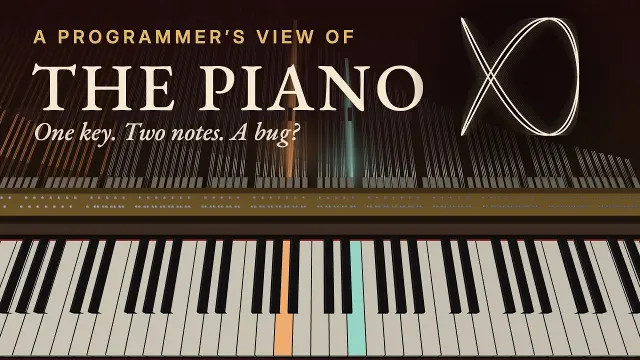
 Debugging the Pythagorean Comma on Piano Keyboards
#Piano
4 ideas
Debugging the Pythagorean Comma on Piano Keyboards
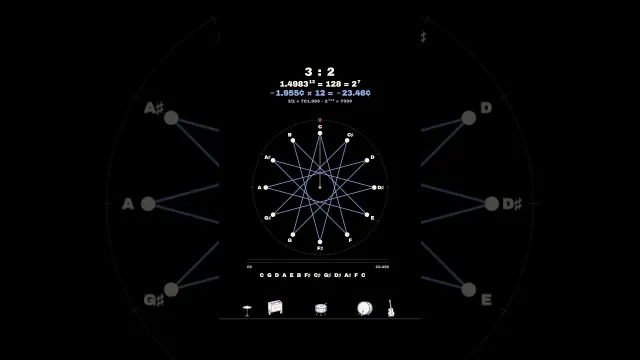 A Quick Look at the Pythagorean Comma and Equal Temperament
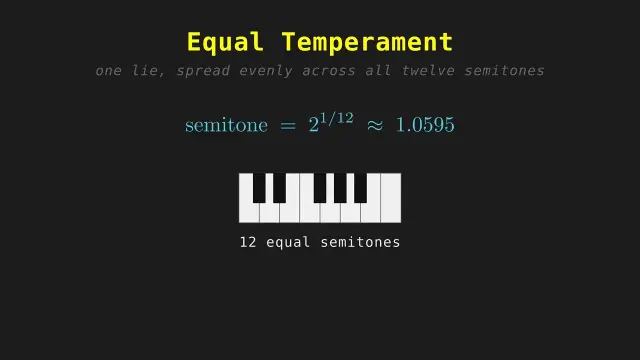 Understanding the Pythagorean Comma and Why Pianos Are Out of Tune
 Relaxing Piano Music and Peaceful Autumn Melodies for Dogs
Get new #Piano ideas by email
Every Thursday: the week's best ideas, with the newest from #Piano.
Related tags
Piano: A Guide to the Instrument
What a piano is
The piano is a keyboard instrument that makes sound when hammers strike strings inside the body of the instrument. It is used in classical music, jazz, pop, film music, solo playing, accompaniment, and teaching. Because it can play melody, harmony, and rhythm at once, the piano is one of the most versatile instruments you can learn.
The instrument grew out of earlier stringed keyboard instruments such as the harpsichord and clavichord. Its great innovation was the ability to play both softly and loudly with touch, which is why it was originally called the pianoforte. That expressive control remains one of the piano’s defining features.
Main kinds of piano
Read more
There are two main acoustic types: the grand piano and the upright piano.
- Grand pianos have strings laid horizontally and a large soundboard. They usually offer a fuller tone and more responsive action.
- Upright pianos have strings arranged vertically, making them more compact and practical for smaller spaces.
There are also digital pianos and keyboards. Digital pianos use electronic sound generation and often aim to imitate the feel and tone of an acoustic piano. They can be useful for quiet practice, limited spaces, or situations where portability matters.
How it works
When you press a key, a mechanism moves a hammer toward the strings for that note. The hammer strikes the strings and then quickly falls away so the strings can vibrate freely. Dampers stop the sound when you release the key, unless the sustain pedal is used to let notes ring longer.
The piano is tuned in a system called equal temperament, which helps it play in all keys with acceptable consistency. Even so, any piano can drift out of tune over time because strings react to humidity, use, and changes in the instrument’s structure.
Styles and uses
The piano appears in many musical styles. In classical music, it is used for solo works, chamber music, and accompaniment. In jazz, it often supports improvisation and harmony. In popular music, it may provide chords, riffs, intros, and songwriting support. It is also widely used for rehearsal, composition, and music education.
What beginners should know
If you are starting piano, focus first on posture, hand relaxation, and reading simple music. You do not need to rush into difficult pieces. Clear note reading, steady rhythm, and even touch matter more than speed at the beginning.
A few practical tips can help:
- Sit so your forearms are level with the keys and your shoulders stay relaxed.
- Keep your fingers curved naturally, not stiff or collapsed.
- Practice slowly enough to avoid mistakes becoming habits.
- Learn scales, simple chords, and easy pieces together so your technique grows in a balanced way.
- Listen carefully to the sound you make, not just the notes you hit.
Caring for the instrument
An acoustic piano benefits from regular tuning and a stable indoor environment. Avoid placing it near heat, direct sunlight, or damp areas. For digital pianos, basic care means keeping the keys clean and protecting the instrument from dust and accidental spills.
Whether you choose an acoustic or digital instrument, the piano rewards patience. With steady practice, it can become both a practical tool and a deeply expressive way to make music.
Videos come from YouTube and posts from Instagram; titles and summaries are our own. All rights belong to their creators.