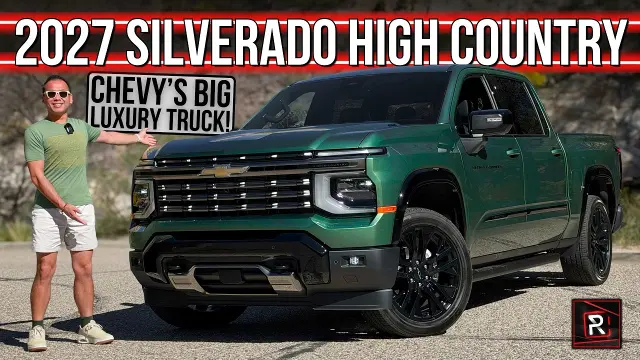
 2027 Chevrolet Silverado High Country First Drive Review
#Pickup Trucks
1 ideas
2027 Chevrolet Silverado High Country First Drive Review
Get new #Pickup Trucks ideas by email
Every Thursday: the week's best ideas, with the newest from #Pickup Trucks.
Related tags
Pickup Trucks: A Guide to Choosing and Using One
A pickup truck is a vehicle built around two separate parts: a cabin for people and an open cargo bed behind it. That simple layout is what makes it useful. Where a van carries things inside a closed box, a pickup carries them outside, in the open, where they can be loaded from three sides and hosed out afterwards. The bed and the cab are usually separate structures mounted on a ladder-style frame, which is why pickups tolerate rough ground and heavy loads better than a car-based vehicle of the same size.
The design has farming and utility roots in North America, but the idea — a small cab with a flat loading area — appears in working vehicles all over the world, from Australian utes to the small kei trucks of Japan. Pickups became a family vehicle later, when manufacturers started adding rear seats, comfort features and enclosed options.
The main kinds
The first distinction is size. Compact and mid-size trucks are easier to park and cheaper to run; full-size trucks carry and tow more but take up a lot of road. There are also heavy-duty versions built for sustained towing and hauling rather than daily driving.
Read more
Cab styles matter just as much. A single cab has one row of seats and the longest bed. An extended cab adds a small rear area, often with abbreviated doors. A crew cab has a full rear row and usually a shorter bed to keep the overall length manageable. Think honestly about which you need: a long bed is useful far more often than a rear seat is, unless you carry passengers regularly.
Beds come in short, standard and long lengths, and the choice usually trades against cab size. A tonneau cover or a bed cap turns the open bed into weather-protected storage, at the cost of some flexibility.
Drivetrain is the other big decision. Two-wheel drive is fine for paved roads and light loads. Four-wheel drive helps on mud, snow, gravel and steep unpaved ground, but it adds weight and fuel consumption, and it does not replace good tyres.
What beginners should know
Payload and towing capacity are different numbers, and both are limits, not targets. Payload includes passengers, fuel, tools and anything in the bed. It is easy to exceed without noticing. Check the figures on the door pillar rather than trusting a brochure.
Before buying, measure your parking space, your garage and your driveway. Full-size trucks surprise people. Take a test drive that includes a tight car park and a rough surface, not just a motorway.
Practical habits
Secure loads with proper straps rather than hoping weight alone holds them. Distribute weight forward of the rear axle where possible and keep it low. Learn how the truck behaves empty in the wet — a light rear end can lose grip more readily than you expect. Check tyre pressures when loaded, and remember that a longer braking distance comes with the weight.
Used well, a pickup is one of the most adaptable vehicles there is: a work tool, a family car and a weekend helper in one.
#Pickup Trucks: frequently asked questions
What actually makes a pickup truck different from a van or an SUV?
A pickup is built around two separate parts: a cabin for people and an open cargo bed behind it, usually mounted on a ladder-style frame. That layout lets you load from three sides, hose the bed out afterwards, and tolerate rough ground and heavy loads better than a car-based vehicle of the same size. A van keeps its cargo inside a closed box, which is tidier but far less flexible when you need to drop something big in.
How do I choose between a compact, mid-size, full-size or heavy-duty truck?
Start with what you actually carry and tow, then work backwards rather than buying the biggest thing available. Compact and mid-size trucks are easier to park and cheaper to run, full-size trucks carry and tow more but dominate a road, and heavy-duty versions are built for sustained hauling rather than daily driving. Measure your parking space, garage and driveway first — full-size trucks surprise people.
Which cab and bed combination should a first-time buyer pick?
Think honestly about whether you regularly carry passengers, because a long bed is useful far more often than a rear seat is. A single cab gives you the longest bed, an extended cab adds a small rear area, and a crew cab has a full rear row but usually a shorter bed to keep overall length manageable. A tonneau cover or bed cap can turn the open bed into weather-protected storage if you need it.
Do I need four-wheel drive?
Two-wheel drive is fine for paved roads and light loads, and it keeps weight and fuel consumption down. Four-wheel drive genuinely helps on mud, snow, gravel and steep unpaved ground, but it does not replace good tyres — traction still starts where the rubber meets the road. Be realistic about the conditions you drive in rather than buying capability you will never use.
What are the most common beginner mistakes with a pickup?
The classic one is confusing payload with towing capacity; they are different limits, and payload includes passengers, fuel, tools and everything in the bed, so it is easy to exceed without noticing. Trust the figures on the door pillar rather than a brochure, and test drive on a tight car park and a rough surface as well as a motorway. Another frequent slip is assuming weight alone holds a load down — proper straps do.
How should I care for a truck and carry loads safely?
Secure every load with proper straps, keep the weight low and pushed forward of the rear axle where possible, and check tyre pressures when the truck is loaded. Learn how it behaves empty in the wet, because a light rear end can lose grip more readily than you expect, and allow a longer braking distance whenever you are carrying weight. Used well, a pickup is a work tool, a family car and a weekend helper in one.
Videos come from YouTube and posts from Instagram; titles and summaries are our own. All rights belong to their creators.