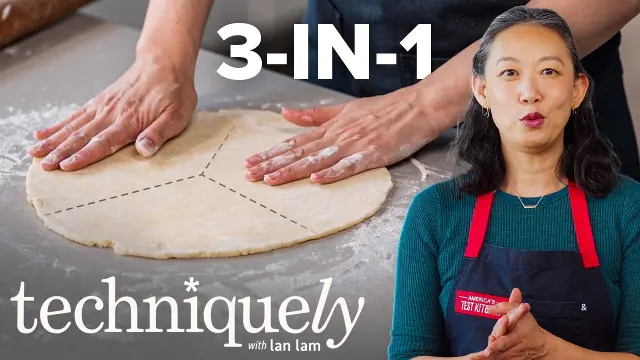
 Foolproof All Butter Pie Crust Technique
#Pie Crust
1 ideas
Foolproof All Butter Pie Crust Technique
Get new #Pie Crust ideas by email
Every Thursday: the week's best ideas, with the newest from #Pie Crust.
Related tags
Pie Crust Basics and Baking Guide
What pie crust is
Pie crust is the pastry shell that holds a pie filling. It can be made for sweet or savoury pies, and it serves both a structural and a flavour role. A good crust should be sturdy enough to contain the filling, yet tender and flaky enough to cut easily and eat well. At its simplest, pie crust is made from flour, fat, water, and a little salt. The balance between those ingredients is what gives it its character.
Pie crust has a long history in home baking, where it has been used for fruit pies, custard pies, meat pies, and vegetable pies. In some traditions, the crust is mostly a container; in others, it is one of the main pleasures of the dish.
Common types of pie crust
Read more
There are a few classic kinds of pie crust, and each works best for different pies.
- Single crust: used when the filling is covered only by the base crust.
- Double crust: a bottom and top crust, often used for fruit pies.
- Lattice crust: strips of pastry woven over the filling for a decorative finish.
- Crumb topping: not a pastry crust in the strict sense, but often used instead of a top crust.
- Shortcrust pastry: a tender, crumbly style often used for pies and tarts.
- Flaky pastry: made to create visible layers and a lighter bite.
For beginners, a simple single crust is often the easiest place to start. It teaches you how the dough feels and how it behaves when rolled and baked.
What makes a good crust
The main goal is to keep the fat cold enough that it stays in small pieces in the dough. Those pieces melt in the oven and leave tiny layers or pockets, which helps create a flaky texture. If the fat is worked too much into the flour, the crust may become more mealy or less layered. If the dough is overmixed or overhandled, it can turn tough.
A few practical habits help a lot:
- Measure ingredients carefully and keep them as cold as practical.
- Mix just until the dough comes together.
- Chill the dough before rolling it out.
- Roll from the centre outward, turning the dough as you go.
- Use only enough flour to stop sticking.
- Let the shaped crust rest before baking when possible.
Baking tips for better results
Blind baking, or baking the crust before adding a filling, is useful for pies with wet fillings or fillings that do not need much oven time. To help the crust hold its shape, you can chill it well before baking and use pie weights or dried beans if needed.
If your crust shrinks, it may have been stretched when placed in the pan or handled too much. If it turns tough, the dough may have been overworked or too much flour may have been added. If it seems dry and crumbly, the dough may need a little more moisture, added carefully.
For sweet and savoury pies
Pie crust is wonderfully versatile. A plain, lightly salted crust suits both fruit pies and savoury pies. For sweet pies, the filling usually provides most of the flavour, while the crust adds texture and richness. For savoury pies, the crust can help balance richer fillings and bring the whole dish together.
Once you understand the basic dough, pie crust becomes less mysterious. With a little practice, you will learn how the dough should feel in your hands, how thin to roll it, and when to stop working it. That is often the difference between an ordinary crust and one that is tender, flaky, and satisfying.
Videos come from YouTube and posts from Instagram; titles and summaries are our own. All rights belong to their creators.