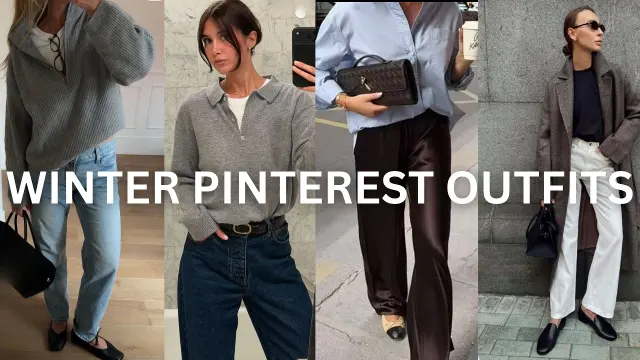
 Recreating Pinterest Winter Outfits: Four Easy Casual Looks
#Pinterest Outfits
3 ideas
Recreating Pinterest Winter Outfits: Four Easy Casual Looks
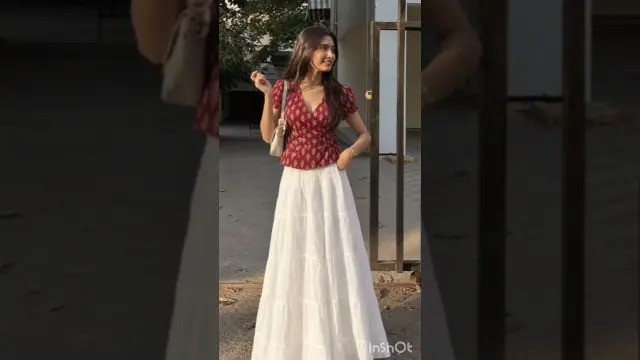 Trending Korean Aesthetic White Long Skirt Outfit Ideas
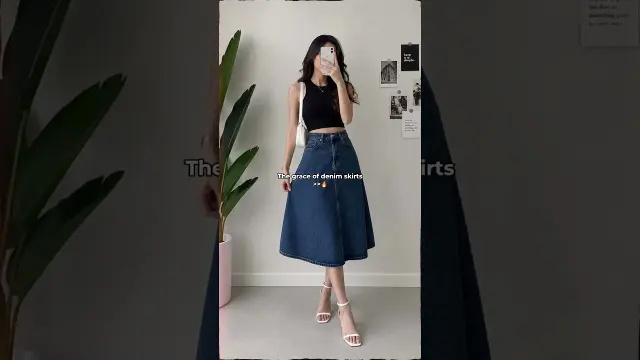 Pinterest-Worthy Denim Skirt Outfit Ideas
Get new #Pinterest Outfits ideas by email
Every Thursday: the week's best ideas, with the newest from #Pinterest Outfits.
Related tags
Pinterest Outfits: A Guide to Building Looks Worth Saving
Pinterest outfits are a way of getting dressed that begins with an image rather than a rule. Instead of following a single designer's runway or a magazine's edit, people collect pictures they like — a silhouette here, a colour pairing there — and gradually assemble a personal visual vocabulary from them. The result is a style that feels curated but relaxed, put together without looking like it was copied from a catalogue.
Where the idea comes from
Long before it had a name, the habit existed: women tore pages from magazines, kept lookbooks, sketched ideas in notebooks. What changed was the scale. Digital mood boards made it possible to gather thousands of references in an afternoon and to notice patterns in your own taste — the same neutral palette, the same relaxed tailoring, the same fondness for a certain shoe. The "Pinterest outfit" is simply what happens when that collecting habit meets everyday dressing.
The main styles you will meet
Read more
Most looks in this world fall into a handful of families. There is the minimalist approach: a small wardrobe of well-cut basics in muted tones, worn with one deliberate detail. There is the feminine, romantic register — soft fabrics, florals, gentle layering. There is the casual, streetwear-leaning look built on denim, sneakers and an oversized layer. And there is the polished, tailored direction, where structure does most of the work. Most real wardrobes are a blend of two or three of these rather than a pure version of any one.
What beginners should know
Start with what you already own. Photograph a few outfits you genuinely like wearing and look at them side by side; you will usually find a repeatable formula — a shape, a length, a proportion that suits you. Build from that formula rather than from individual pieces.
Be careful with the gap between an image and a life. A photograph flatters because of lighting, posture, styling and a single chosen angle. Ask yourself practical questions before buying: Can I walk in it? Does it work in my weather? Does it go with at least three things I already have?
Practical tips
- Save fewer things, and revisit them. A board of thirty images you truly love is more useful than three hundred you scrolled past.
- Track the pattern, not the product. Note whether you are drawn to texture, contrast, volume or colour — those are the transferable parts.
- Build outfits in layers. The most copied looks are rarely one statement piece; they are simple clothes combined with intention.
- Keep a running list of the gaps you notice, and shop from that list rather than from impulse.
- Let the outfit fit your day. Comfortable shoes and a bag that holds what you need will do more for how you look than any single garment.
Style is not a set of rules to be satisfied. It is a slow accumulation of small decisions, and the best guide is your own collection of pictures, read carefully.
#Pinterest Outfits: frequently asked questions
How do I start building Pinterest outfits without overhauling my wardrobe?
Begin with the clothes you already wear and enjoy. Photograph a handful of outfits you feel good in, lay the pictures side by side, and look for the shape, length or proportion that keeps reappearing — that repeatable formula is your starting point. Build future outfits from that formula rather than from single pieces you spotted online.
Do I have to buy new clothes to get a curated look?
No. The look comes from how pieces are combined, not from how many you own. A small set of well-cut basics in tones you like, worn with one deliberate detail, reads as curated far more reliably than a closet full of new purchases. Shop from a running list of gaps you actually notice rather than from impulse.
Which Pinterest outfit style should I choose?
Most looks fall into a few broad families — minimalist, soft and romantic, casual with denim and sneakers, or sharply tailored — and most real wardrobes blend two or three of them. Rather than picking one label, notice which images you keep returning to and let that pattern guide you. Aim for the version that suits your climate, your days and your own proportions.
How do I keep my saved outfits from becoming a messy backlog?
Save less and revisit more. A small board of images you genuinely love is far more useful than a huge one you scroll past, because you can actually see the pattern in it. Go back through what you saved periodically and remove anything you no longer respond to.
What are the common mistakes beginners make with inspiration photos?
The biggest one is forgetting the gap between an image and a life — a photograph flatters because of lighting, posture and one chosen angle. Before buying, ask whether you can walk in it, whether it works in your weather, and whether it goes with several things you already own. Another frequent slip is copying a whole look exactly instead of taking the transferable parts: the texture, contrast or colour pairing.
How should I care for the clothes I build these outfits around?
Treat the pieces that do the most work with the most attention: follow the care label, wash them less often than you think, and store them so they keep their shape. Well-kept basics look sharper and last longer, which matters more to how an outfit reads than any single new garment. Keep shoes clean and bags in good repair for the same reason.
Videos come from YouTube and posts from Instagram; titles and summaries are our own. All rights belong to their creators.