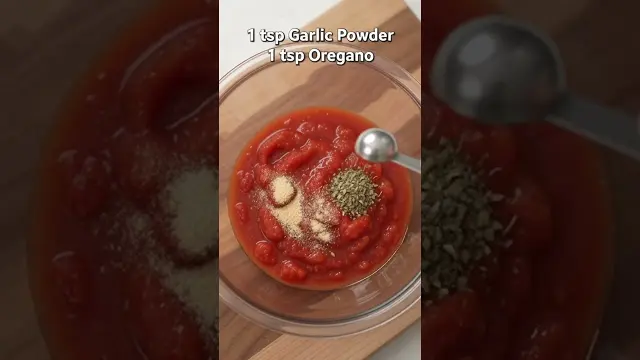
 No-Cook Pizza Sauce From Pantry Staples in Minutes
#Pizza Night
1 ideas
No-Cook Pizza Sauce From Pantry Staples in Minutes
Get new #Pizza Night ideas by email
Every Thursday: the week's best ideas, with the newest from #Pizza Night.
Related tags
Pizza Night: A Guide to Making It at Home
Pizza night is a simple idea with a long history: one evening set aside to make, share and eat pizza, usually at home. It is less about perfection than about rhythm. The dough gets started, the oven heats, the toppings are laid out, and everyone gathers around the same table. For many households it has become the weekly anchor that asks nothing more than flour, water and a little patience.
Where it comes from
Flatbreads topped with oil, herbs and cheese exist across the Mediterranean and the Middle East, and pizza as we recognise it grew out of the working kitchens of southern Italy. What makes it distinctive is the combination of a thin, slowly risen wheat dough baked at high heat, a simple tomato base and a modest amount of topping. The home version has spread far beyond that, but the principle holds: good bread, a little sauce, and restraint.
The dough
Bread flour, water, salt and a small amount of yeast are enough. A wetter dough gives a lighter crust, though it is harder to handle; a slightly firmer one is forgiving for beginners. Time matters more than technique. Letting the dough rise slowly, and then letting the shaped bases rest before baking, develops flavour you cannot get by rushing. If you are short of time, a plain yeasted dough made in the morning is still far better than anything bought ready-rolled.
The sauce
Tomato sauce for pizza is usually uncooked or barely cooked. Tinned tomatoes crushed by hand, a little salt, a drizzle of olive oil and perhaps a pinch of dried oregano do the job. Cooking it down first concentrates it too much and loses freshness. Spread it thinly and leave a border of bare dough around the edge so the crust can rise.
Read more
Toppings and balance
The classic toppings are cheese, cured meats, vegetables, mushrooms and herbs. The most common mistake is overload. Too much sauce or too many wet vegetables makes the middle soggy, and too much cheese drowns everything else. Grate rather than slice hard cheeses, drain anything watery, and add delicate herbs after baking rather than before.
Choosing your oven
A domestic oven will not reach the temperatures of a wood-fired one, so work with what you have. Preheat it thoroughly, with a stone or a heavy metal tray inside, and bake at the highest setting it allows. A hot surface underneath is what gives a crisp base. A grill element at the end can add colour to the top. Thinner bases suit this approach better than thick ones.
Making it a ritual
Lay everything out before anyone starts. Divide the dough into portions so each person can shape and top their own, and keep the surface floured. Prepare a salad or a simple dessert ahead so the cook is not left working while everyone else eats. Pizza night works best when the cooking and the eating blur together, and no one is in a hurry.
#Pizza Night: frequently asked questions
How do I start a pizza night at home if I've never made pizza before?
Start with a simple yeasted dough mixed in the morning, then let it rise slowly while you get on with your day. Keep the toppings plain and few the first time, so you can focus on shaping and baking rather than juggling a long list of ingredients. Once the rhythm feels familiar, you can add homemade sauce and more adventurous toppings.
What do I actually need to make pizza at home?
Bread flour, water, salt and a little yeast are the whole foundation, plus a tomato base and a modest amount of cheese or other topping. On the equipment side, a very well preheated oven with a stone or heavy metal tray inside does most of the work. Everything else — a rolling pin, a pizza peel, fancy flour — is optional comfort rather than a requirement.
Which kind of pizza should I choose to make at home?
For a normal domestic oven, thin bases work far better than thick ones, because a home oven cannot match the heat of a wood-fired one and a thin base crisps before it dries out. Beyond that, pick toppings that stay light: a thin layer of uncooked tomato, drained vegetables, and grated rather than sliced hard cheese. Restraint is what makes a home pizza taste like a good one.
How should I handle and store the dough so it turns out well?
Give the dough time rather than force: a slow rise develops flavour that no amount of kneading can imitate, and letting the shaped bases rest before baking keeps them from springing back. Keep the dough covered so it does not form a skin, and flour your work surface generously while shaping. If you are short of time, a plain dough made in the morning still beats anything ready-rolled.
What are the most common mistakes people make on pizza night?
Overloading is the usual culprit — too much sauce or too many watery vegetables makes the middle soggy, and too much cheese buries everything underneath it. The second is an oven that was not heated long enough, which leaves the base pale and limp instead of crisp. Adding delicate herbs after baking rather than before also makes a noticeable difference.
How do I make pizza night feel like an occasion rather than a chore?
Lay out all the toppings before anyone starts, divide the dough into portions, and let each person shape and top their own so the cooking and eating blur together. Prepare a salad or a simple dessert in advance so whoever is baking is not stuck working while everyone else eats. The point is the shared table and the unhurried rhythm, not perfection.
Videos come from YouTube and posts from Instagram; titles and summaries are our own. All rights belong to their creators.