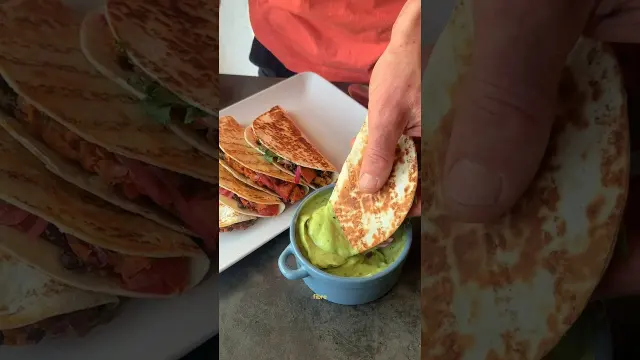
 Fibre-Rich Sweet Potato And Black Bean Tacos
#Plant Based
4 ideas
Fibre-Rich Sweet Potato And Black Bean Tacos
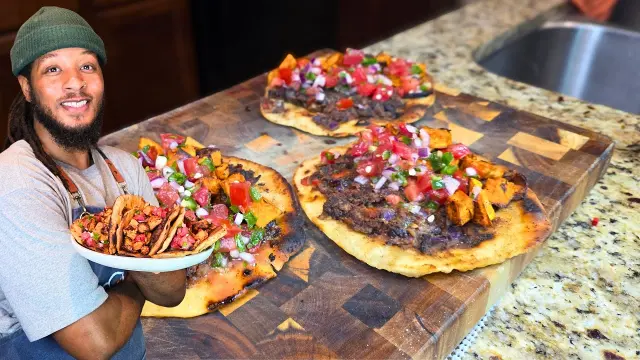 Smashed Black Bean And Sweet Potato Tacos
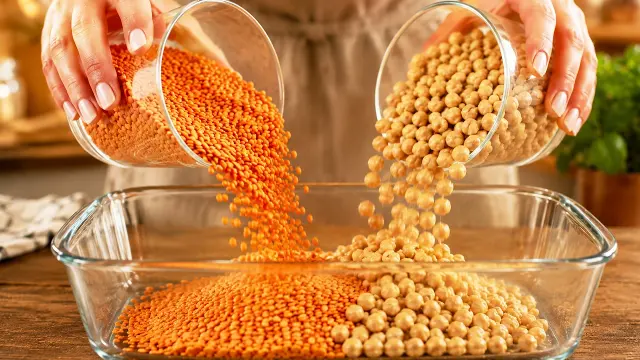 Gluten Free Bread Made from Chickpeas and Lentils
Get new #Plant Based ideas by email
Every Thursday: the week's best ideas, with the newest from #Plant Based.
Related tags
Plant-Based Living and Cooking
Plant-based usually means built around foods that come from plants: vegetables, fruits, grains, beans, lentils, nuts, seeds, and foods made from them. In cooking, it often refers to meals that are mainly or entirely made without animal products. Some people use it as a flexible everyday style of eating, while others follow it more strictly.
The idea of eating mostly plants is not new. Many traditional cuisines around the world have long relied on grains, legumes, vegetables, herbs, and seasonal produce as the centre of the meal. Today, plant-based cooking is also valued by people who want more variety in their meals, prefer a lighter approach to eating, or simply enjoy the flavours and textures of plant foods.
What plant-based food includes
A plant-based kitchen is built from simple staples that can be combined in many ways. Common ingredients include:
- Beans, lentils, chickpeas, and peas
- Whole grains such as rice, oats, quinoa, barley, and corn
- Vegetables of every kind, fresh or cooked
- Fruit, for snacks, breakfasts, and desserts
- Nuts, seeds, and nut or seed butters
- Herbs, spices, citrus, vinegars, and sauces for flavour
Read more
Many plant-based meals are naturally hearty because legumes, grains, and vegetables work well together. A bowl, soup, salad, wrap, curry, pasta, or taco filling can all be plant-based with the right ingredients.
Main styles and approaches
Plant-based eating can look different from one person to another. Some people are fully vegan and avoid all animal-derived foods. Others simply aim to make most of their meals plant-led and include animal products sometimes. There is no single correct version.
You may also come across styles such as:
- Whole-food plant-based, which focuses on minimally processed foods
- Plant-forward cooking, where vegetables and legumes take the lead even if a small amount of other ingredients is used
- Fully vegan cooking, which avoids meat, dairy, eggs, and other animal products
Getting started
If you are new to plant-based cooking, start with familiar meals and make small changes. Try swapping meat for beans in a taco filling, adding lentils to soup, or using roasted vegetables in pasta. Simple meals are often the easiest way to build confidence.
A few practical tips can help:
- Keep a few legumes and grains in your pantry
- Learn one or two reliable sauces or dressings
- Use herbs, garlic, onion, spices, and lemon to build flavour
- Include a mix of protein-rich foods, vegetables, and satisfying starches
- Try different cooking methods such as roasting, simmering, and sautéing
A thoughtful way to eat
Plant-based cooking is less about strict rules and more about creating balanced, enjoyable meals from ingredients that grow from the earth. If you focus on colour, texture, and variety, you will usually end up with food that feels both nourishing and satisfying. Start with what you already like, and let your kitchen grow from there.
Videos come from YouTube and posts from Instagram; titles and summaries are our own. All rights belong to their creators.