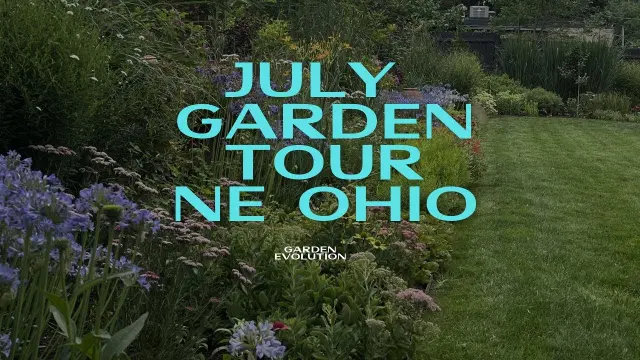
 July Garden Tour in Northeast Ohio Zone 6b
#Plant Collector
1 ideas
July Garden Tour in Northeast Ohio Zone 6b
Get new #Plant Collector ideas by email
Every Thursday: the week's best ideas, with the newest from #Plant Collector.
Related tags
Plant Collector: A Guide to Growing a Living Collection
Collecting plants is one of those hobbies that begins almost by accident. A single unusual houseplant arrives, then a cutting from a friend, then a name you have never heard before, and suddenly you are keeping a list. A plant collector is simply someone who grows plants with intent: seeking out particular species or genera, learning their names and origins, and building something that grows more interesting each year.
Where the idea comes from
People have gathered and traded plants for centuries. Botanical gardens grew out of collections assembled by wealthy enthusiasts, and plant hunting — travelling to find and bring back unfamiliar species — shaped much of what we grow indoors today. The private collector sits in that same tradition, just at a smaller scale and on a windowsill rather than in a glasshouse. What unites collectors across generations is the pleasure of naming: knowing that the plant on the shelf is not just "a fern" but a specific species from a specific place.
Kinds of collections
Read more
There is no single right way to collect. Some people focus on one plant family — aroids, begonias, ferns, cacti, orchids — and learn its variations in detail. Others collect by condition: plants that tolerate dry air, plants for a shady corner, plants that will survive a cold windowsill. Others again collect by story, choosing things with unusual leaves, curious flowers or a history of being passed from grower to grower.
Collections can also be built around form rather than species: variegated plants, miniature plants, trailing plants, or plants grown for their scent.
What beginners should know
Start with the conditions you actually have, not the plants you admire most. Measure the light in your rooms through the day, notice how dry the air gets in winter, and be honest about how much time you want to spend watering. A collection that suits its environment is far more rewarding than one that needs constant rescue.
Learn the botanical name of everything you buy. It makes care instructions searchable and lets you compare closely related plants properly, which is most of the skill.
Quarantine new arrivals for a few weeks, away from the rest, and check them for pests before they join the group. This one habit prevents most of the disappointments that send people out of the hobby.
Practical habits that last
- Keep a simple record: name, where it came from, when it was last repotted.
- Repot on the plant's schedule, usually when roots fill the pot, not on a fixed calendar date.
- Clean leaves occasionally so they can do their work.
- Group plants to raise humidity naturally, but leave space for air to move.
- Learn to propagate. Sharing cuttings is how collections grow and how the hobby stays generous.
- Accept losses. Every collector kills plants; the useful part is working out why.
Collecting is a long game. The reward is not a shelf full of foliage but the slow accumulation of understanding — knowing what a plant needs because you have watched it through a year, and being able to pass that knowledge on.
#Plant Collector: frequently asked questions
How do I start a plant collection?
Begin with the conditions you already have rather than the plants you find most beautiful, since a collection that suits its environment thrives with far less effort. Add plants gradually, one or two at a time, and learn the botanical name of each one you bring home so you can look up proper care and compare it with relatives.
What do I actually need to begin collecting plants?
You mostly need attention rather than equipment: a sense of how light moves through your rooms during the day, how dry your air gets in the colder months, and how much time you want to give to watering. Beyond that, a simple record of names, origins and repotting, plus a separate spot to isolate new arrivals for a while, will carry you a long way.
Should I focus on one plant family or collect all kinds of plants?
Either approach works, and many collectors drift between them over time. Specializing in a single family lets you learn its variations closely, while collecting by condition or by form suits people who want variety or who garden in tricky spots like a shady corner or a dry room.
How do I care for a plant collection so it stays manageable?
Group plants together so humidity rises naturally, but leave gaps for air to move between them, and repot when roots fill the pot rather than on a fixed calendar date. Wiping leaves now and then helps them function, and learning to propagate means you can share cuttings instead of constantly buying more.
What mistakes do new collectors usually make?
The most common is choosing plants by appearance alone and then fighting the home they live in, which leads to endless rescue attempts. Skipping isolation for new arrivals is another frequent slip, since it lets pests spread through everything at once, and treating watering as a rigid routine rather than a response to the plant is a third.
Videos come from YouTube and posts from Instagram; titles and summaries are our own. All rights belong to their creators.