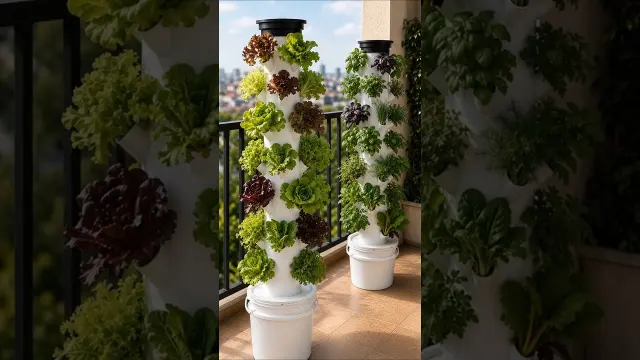
 Crafting a Hydroponic Growing Tower from PVC Pipes
#Plant Experiments
1 ideas
Crafting a Hydroponic Growing Tower from PVC Pipes
Get new #Plant Experiments ideas by email
Every Thursday: the week's best ideas, with the newest from #Plant Experiments.
Related tags
Plant Experiments: A Beginner's Guide to Growing Curiosity
A plant experiment is any small, deliberate test you run with a living plant to see how it responds to something you change. You give one plant more light and another less, you water one and forget the other, you grow the same seed in soil and in water, and you watch what happens. The point is not to be scientific in a laboratory sense; it is to stop guessing about how plants work and start observing it for yourself. Gardening advice becomes far easier to remember when you have seen the result appear in front of you.
The appeal is that plants are patient subjects. They forgive slow attention, they change visibly over days and weeks, and they ask for very little equipment. A windowsill, a few clear jars, some seeds or cuttings and a notebook will carry most beginner projects. Much of the pleasure is in the record-keeping: sketching the root, noting the day a bud opened, comparing two plants side by side and trying to explain why one is ahead.
The classic experiments
Some experiments are worth doing precisely because they are old ones. Growing a bean or an avocado stone in a jar of water lets you watch a root system develop without soil in the way. Covering part of a leaf with dark paper shows what happens when light is withheld. Placing a cut white flower in water dyed with food colouring traces the path water takes through the stem. Turning a seedling every few days shows how plants lean toward light.
Read more
More involved projects build on these. Hydroponic setups grow plants in water with added nutrients rather than soil; a simple tower made from plastic pipe is a common first build. Propagation trials compare how readily different cuttings root. Compost experiments explore what kitchen scraps break down well.
What beginners should know
Change one thing at a time. If you alter light and water together, you will not know which made the difference. Keep a control — an untouched plant treated the same way as always — so you have something to compare against. Give each experiment a few weeks; plants move on their own schedule and early results mislead.
Label everything. Write down the date, what you changed and what you saw, even when nothing seems to be happening. Photographs taken from the same angle each time are more useful than memory.
Practical tips
Start with fast, forgiving plants: beans, cress, sunflowers, mint, spring onions regrown from their ends. Use clear containers where you want to see roots. Keep water clean and change it regularly in water-based setups. Avoid experimenting on plants you love; use cheap, replaceable ones so failure is information rather than loss. Keep experiments away from pets and small children where water, soil or plant parts might be eaten.
Most of all, let the experiment answer a question you are actually curious about. That curiosity is what keeps the habit going, and it will teach you more about your own garden than any general rule.
#Plant Experiments: frequently asked questions
How do I start a plant experiment if I have never done one before?
Pick a question you are genuinely curious about, then set up two plants that are as alike as possible and treat them differently in just a single way. Keep one of them untouched as a comparison point so you have something to measure against. From there it is mostly patience and note-taking rather than special skill.
What supplies do I actually need for plant experiments?
A sunny windowsill, a few clear jars or glasses, some seeds or cuttings and a notebook cover most beginner projects, since clear containers let you watch roots develop. Clear plastic containers, potting soil and something to label with are handy as you go further. Elaborate equipment is not required; observation matters far more than gear.
Which plants are best for a first experiment?
Fast, forgiving growers suit beginners best — beans, cress, sunflowers, mint, and spring onions regrown from their ends all respond visibly and recover from mistakes. Choose cheap, replaceable plants rather than ones you are attached to, so a failed trial feels like information instead of a loss. Once you know how a quick plant behaves, slower and fussier ones are easier to read.
How do I look after an experiment so the results mean something?
Change only a single thing between your plants, and leave one plant alone as a control so you can tell what caused any difference. Label everything with what you changed and when, and note even the days when nothing appears to happen. Give the whole thing several weeks, because early changes often mislead and plants keep their own schedule.
What are some good plant experiment ideas to try?
The old classics are worth doing because they teach quickly: rooting a bean or an avocado stone in water, shielding part of a leaf from light, putting a cut white flower in dyed water to trace the path water takes, or turning a seedling to watch it lean. From there you can branch into water-based growing with added nutrients, propagation trials comparing how readily different cuttings root, or compost trials with kitchen scraps.
What mistakes do beginners make with plant experiments?
The common ones are changing several conditions at once, skipping the control plant, and giving up before the plant has had time to respond. Another frequent slip is experimenting on a favourite plant, which makes it hard to accept a disappointing result. Keep trials away from pets and small children too, since water, soil and plant parts may get eaten.
Videos come from YouTube and posts from Instagram; titles and summaries are our own. All rights belong to their creators.