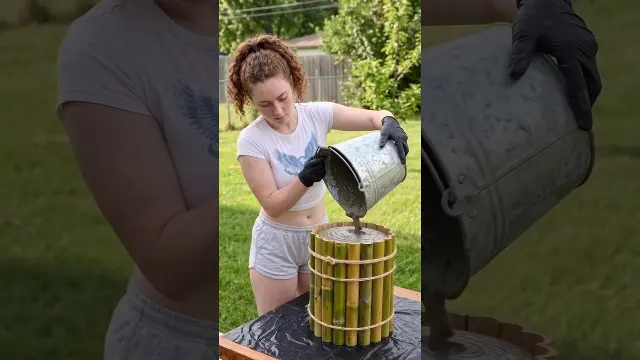
 Ten Stunning DIY Gardening Ideas and Planter Designs
#Planters
1 ideas
Ten Stunning DIY Gardening Ideas and Planter Designs
Get new #Planters ideas by email
Every Thursday: the week's best ideas, with the newest from #Planters.
Related tags
Planters: A Practical Guide to Containers
Planters are containers used to grow plants when you do not plant them directly in the ground. They can hold flowers, herbs, shrubs, succulents, or small trees, and they are useful indoors and outdoors alike. People have used containers for growing plants for a very long time, especially in places where space, soil, or climate made ground planting difficult. Today, planters are both practical and decorative, helping you add greenery to patios, balconies, windowsills, entryways, and rooms.
What planters are used for
A planter gives a plant its own growing space. It helps you control the soil, water, and placement more easily than in a garden bed. This makes planters especially helpful for:
- Small spaces such as balconies, terraces, and apartments
- Plants that need specific soil conditions
- Moving plants to better light or shelter
- Creating grouped arrangements for visual interest
Planters also let you change the look of a space without permanent landscaping. A single container can become a focal point, while several planters can be arranged to soften steps, frame a doorway, or bring life to a plain corner.
Read more
Common materials and styles
Planters come in many materials, and each has its own character. Terracotta is classic and breathable, with a natural look that suits herbs and many outdoor plants. Ceramic planters often feel decorative and may be glazed for color and shine. Plastic planters are light and practical, making them easy to move. Wood gives a warm, natural appearance, while metal and stone can create a more structured or modern feel.
Styles vary just as much. Some planters are simple and plain, designed to let the plant stand out. Others are shaped as bowls, pots, troughs, hanging containers, or raised boxes. Large floor planters work well for statement plants, while smaller pots suit shelves, tabletops, and windowsills. Matching the shape of the planter to the plant and the space often matters more than choosing the most decorative option.
What to look for as a beginner
If you are new to container gardening, start with the plant’s needs rather than the planter’s appearance. The container should be large enough for roots to grow, and it should allow excess water to drain away. Good drainage is important because water that sits at the bottom can harm many plants.
A few simple habits help a lot:
- Choose a planter with drainage holes when possible
- Use soil suited to the plant, not ordinary garden soil unless appropriate
- Match the container size to the plant’s mature growth
- Lift and move planters carefully, especially large ones
- Check moisture regularly, since potted plants dry out faster than ground plantings
Keeping planters looking their best
Planters work best when they suit both the plant and the setting. A modest container can look elegant if it is well proportioned, while an oversized one can make a small plant seem lost. Repeating a few similar shapes or materials can create calm and unity, while mixing sizes can make a space feel more relaxed and layered.
With a little care, planters can serve you for years. Clean them between uses, remove old roots and soil when needed, and inspect them for cracks or wear. Most of all, remember that the planter is part of the plant’s home. When you choose it thoughtfully, it supports healthy growth and adds beauty at the same time.
Videos come from YouTube and posts from Instagram; titles and summaries are our own. All rights belong to their creators.