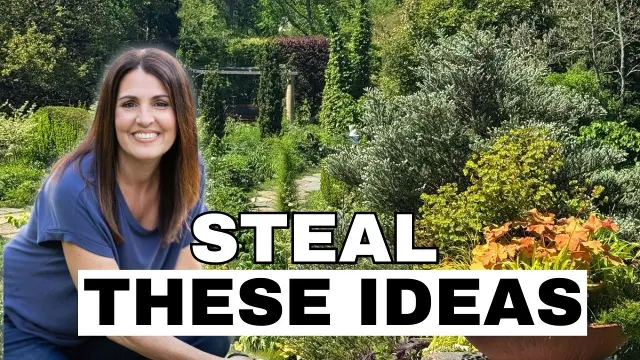
 Ten Garden Design Ideas Inspired By Chanticleer
#Planting Ideas
1 ideas
Ten Garden Design Ideas Inspired By Chanticleer
Get new #Planting Ideas ideas by email
Every Thursday: the week's best ideas, with the newest from #Planting Ideas.
Related tags
Planting Ideas for a Beautiful Garden
What planting ideas mean
Planting ideas are the ways you plan and combine plants so a garden looks balanced, healthy, and interesting through the seasons. They can apply to a large border, a small courtyard, containers, or even a few pots by a door. Good planting is not only about choosing flowers. It also includes foliage, height, shape, scent, and how plants grow together over time.
A thoughtful planting plan usually starts with the conditions you already have. Sun, shade, wind, soil type, and available space all influence what will thrive. When plants suit their setting, they need less effort and give better results.
Main styles of planting
Read more
There are many ways to approach planting, but a few classic styles are easy to understand.
- Formal planting uses repetition, symmetry, and clear shapes. It often feels calm and structured.
- Informal planting is looser and more natural, with softer edges and mixed heights.
- Cottage-style planting combines many flowering plants closely together for a full, abundant look.
- Wildflower-inspired planting aims for a more natural effect, with grasses and meadow flowers.
- Container planting is ideal for patios, balconies, and entrances, where you can combine plants in a small space.
You do not have to choose only one style. Many gardens work best when one idea leads the design and the others support it.
How to build a planting scheme
A simple planting scheme often works best when you think in layers.
- Start with structure: shrubs, hedges, grasses, or evergreen plants that hold the shape of the garden.
- Add mid-level plants: perennials and flowering shrubs that provide the main display.
- Finish with lower plants: ground cover, annuals, or small bulbs to fill gaps and soften edges.
It helps to repeat a few plants rather than use too many different ones. Repetition creates rhythm and makes a garden feel settled. Mixing leaf shapes and textures also matters. Fine leaves beside broader ones, or upright plants beside rounded ones, create contrast without making the space feel busy.
What beginners should know
If you are new to planting, begin with reliable plants suited to your conditions. It is usually better to plant fewer varieties well than to crowd in too many. Give each plant enough room to grow, because young plants often look small at first but soon expand.
Think about seasonal interest too. A garden can feel lovely even when few flowers are open if it has good evergreen structure, attractive stems, or seed heads. If you want long-lasting interest, combine plants that flower at different times and include foliage that stays attractive for more than one season.
Practical planting tips
- Check how much light the area gets before choosing plants.
- Prepare the soil well and water new plants until they are established.
- Group plants with similar needs together.
- Use odd numbers or repeating clusters for a natural look.
- Leave space for growth, air movement, and easy maintenance.
- Remove faded flowers or damaged growth when needed to keep plants tidy.
Good planting ideas are not about perfection. They are about making choices that suit your space, your climate, and the way you want the garden to feel. Over time, the best planting schemes become richer and more personal as plants settle in and begin to work together.
Videos come from YouTube and posts from Instagram; titles and summaries are our own. All rights belong to their creators.