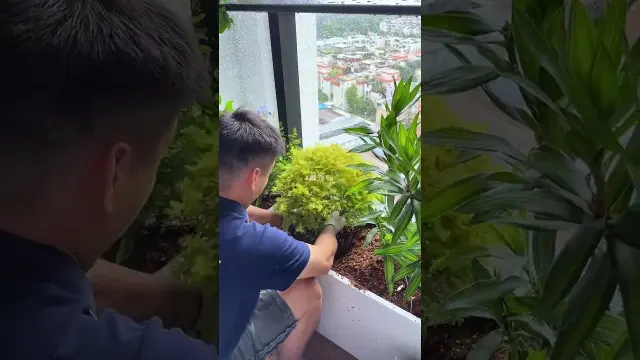
 Cozy Balcony Corner Transformed With Tropical Plants
#Plants
15 ideas
Cozy Balcony Corner Transformed With Tropical Plants
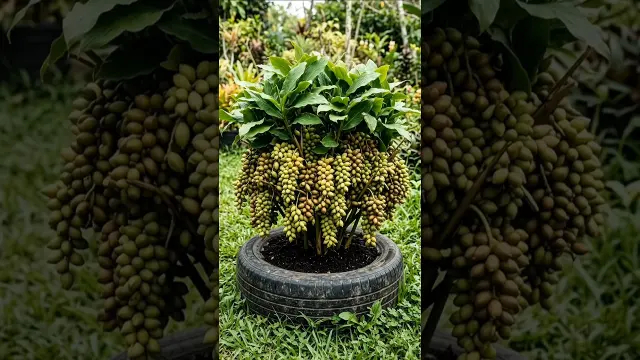 Growing a Mini Cardamom Plant Indoors with Pods
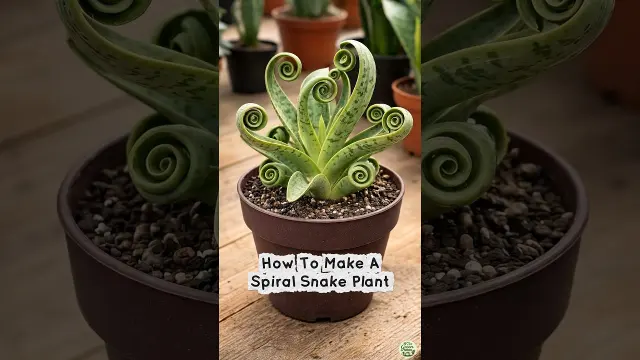 How to Shape a Snake Plant into a Spiral
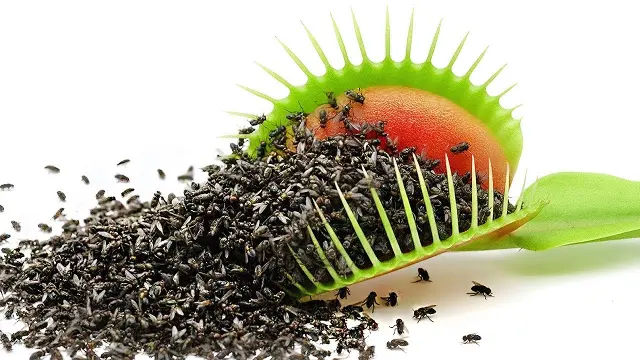 Testing Fifty Venus Fly Trap Plants with One Thousand Flies
 Spring Indoor Plant Care Routine and Repotting
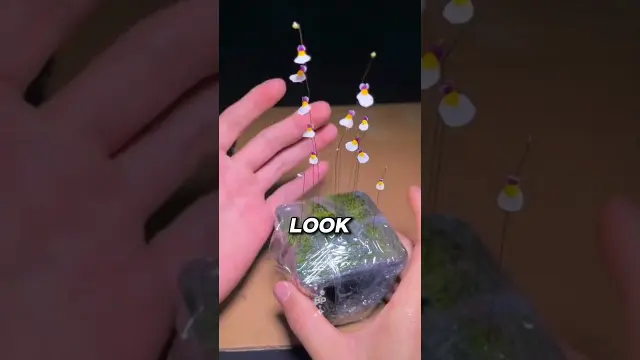 A Rare Bladderwort Carnivorous Plant That Uses Suction
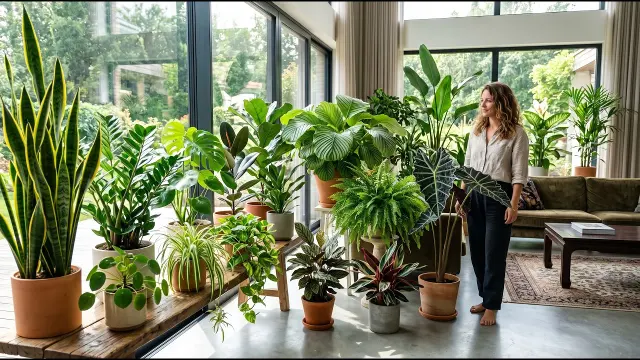 Ranking Twenty Popular Indoor Plants by Care Difficulty
 Fourteen Profitable Specialty Plants to Grow
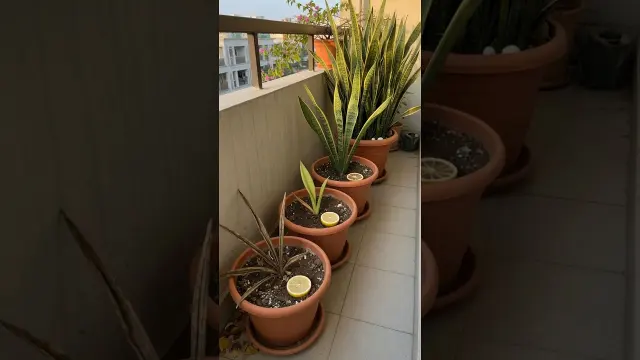 Revive a Dying Snake Plant Using a Lemon Slice Trick
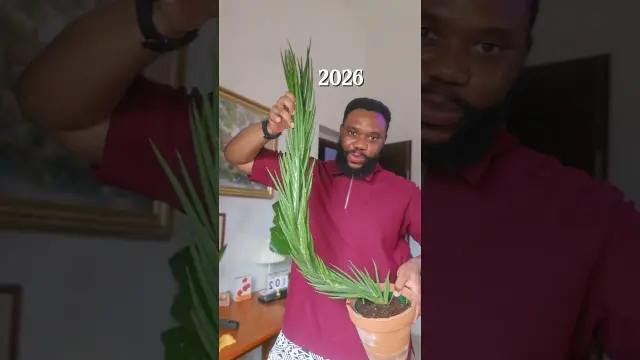 Five Years of Growth on a Mature Snake Plant
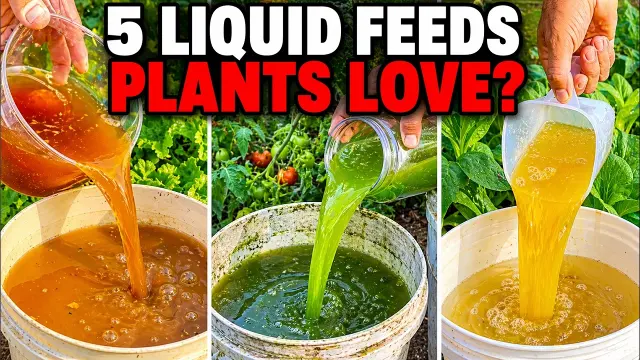 Five Natural Liquid Fertilizers Made from Kitchen Scraps
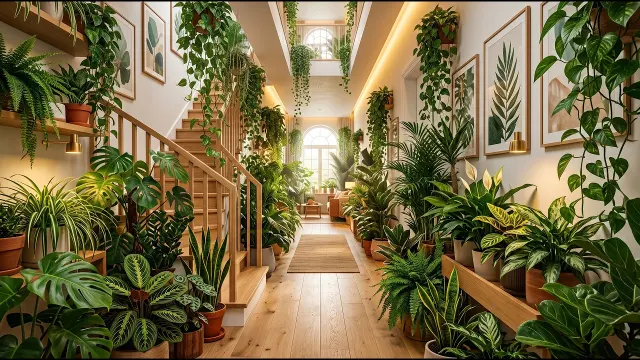 Fifteen Zero Effort Houseplants for Dark Corners
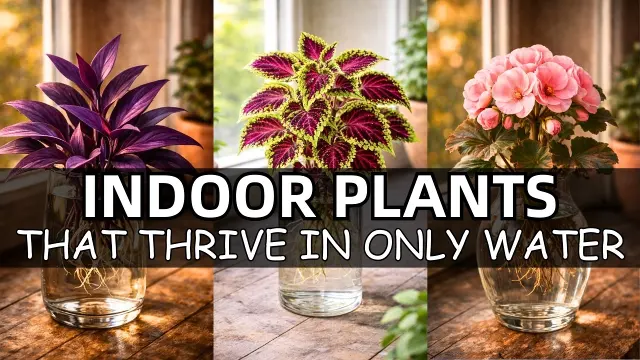 Twenty Indoor Plants That Grow Successfully in Water
 Luxury small balcony makeover with plants and lights
 Colorful balcony makeover with lanterns and fairy lights
Get new #Plants ideas by email
Every Thursday: the week's best ideas, with the newest from #Plants.
Related tags
Plants: A Simple Guide to Greenery at Home
What plants are
Plants are living organisms that grow from seeds, cuttings, bulbs, or other plant parts and make their own food through sunlight, water, and air. They include everything from tiny herbs and houseplants to trees, shrubs, flowers, and climbing vines. People have grown plants for food, shelter, medicine, fragrance, beauty, and shade for thousands of years.
Why people keep plants
Plants soften a space and make it feel calmer and more natural. Indoors, they are often used to brighten a room, add texture, or bring life to corners that feel empty. Outdoors, they shape gardens, balconies, patios, and entrances, giving structure through leaves, flowers, and seasonal change. Some people grow plants for fresh herbs or vegetables, while others choose them simply for the pleasure of caring for something living.
Read more
Main kinds and styles
There are many ways to group plants, but a few common types are useful to know:
- Houseplants, which are grown indoors and often chosen for their leaves, shape, or ability to tolerate lower light.
- Flowering plants, which are valued for blossoms and often follow a seasonal rhythm.
- Herbs, which are grown for cooking, scent, or traditional uses.
- Succulents and cacti, which store water in their leaves or stems and usually prefer bright light and sparing watering.
- Trees and shrubs, which form the backbone of gardens and give height, shade, and privacy.
- Climbers and trailing plants, which can soften walls, shelves, and railings.
Style also matters. Some plant collections feel lush and layered, with many leaf shapes and heights, while others are more minimal, using a few sculptural plants in simple containers. A mixed border outdoors can feel natural and abundant, while a formal arrangement is often more structured and orderly.
What beginners should know
The best plant for you is one that suits your space and routine. Before buying, look at the light in the spot you want to use. Some plants need bright light, while others are better in indirect light or partial shade. Also think about how much time you can give to watering and general care.
A few practical habits help most plants thrive:
- Choose a pot with drainage holes if the plant needs one.
- Use soil that suits the plant type.
- Water according to the plant’s needs, not by a fixed schedule alone.
- Remove dead leaves and spent flowers to keep the plant tidy.
- Rotate indoor plants now and then so they grow more evenly.
- Watch for signs of stress, such as yellowing leaves, wilting, or dry soil.
Simple care tips
It is usually better to underwater slightly than to keep soil constantly wet, because many plants dislike soggy roots. At the same time, very dry air or neglected watering can also cause problems. Try to learn the basic needs of each plant rather than treating all plants the same. If you are unsure, start with a few easy-care varieties and build from there.
Plants reward patience. Growth can be slow, but small changes matter: better light, the right pot, a careful watering, or fresh soil at the right time can make a big difference. With a little observation, you will begin to notice what each plant prefers, and caring for them becomes more intuitive over time.
Videos come from YouTube and posts from Instagram; titles and summaries are our own. All rights belong to their creators.