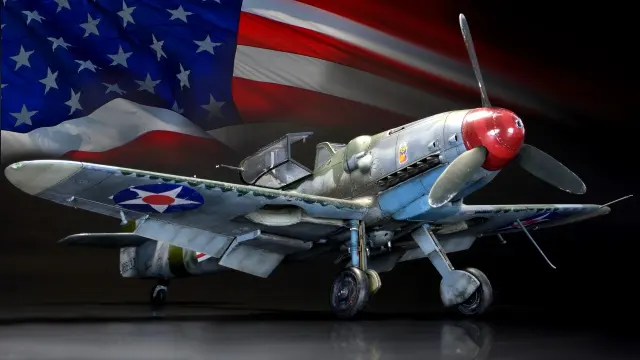
 Building and Detailing a 1/48 Scale Eduard Messerschmitt BF-109G6
#Plastic Model
1 ideas
Building and Detailing a 1/48 Scale Eduard Messerschmitt BF-109G6
Get new #Plastic Model ideas by email
Every Thursday: the week's best ideas, with the newest from #Plastic Model.
Related tags
Plastic Model Making Guide
Plastic model making is the craft of assembling miniature versions of real or imagined subjects from molded plastic parts. You may also hear it called scale modeling. Common subjects include aircraft, cars, ships, armor, figures, and buildings. Some kits are highly detailed and made for display, while others are simple and designed as an introduction to the hobby.
What plastic models are
A plastic model usually comes as a kit with parts attached to plastic frames, plus instructions for assembly. The parts are designed to fit together and create a reduced-size copy of the original object. Some kits focus on accuracy and fine detail, while others are made for quick, enjoyable building. The appeal of the hobby lies in both the construction process and the finished miniature.
Main kinds of plastic models
Read more
The most common types are:
- Aircraft models, from small fighter planes to large airliners
- Car and motorcycle models
- Ships and submarines
- Military vehicles and armor
- Figures, characters, and dioramas
- Architecture and scenery kits
Each type brings different challenges. Aircraft often need careful painting and subtle weathering. Cars may demand smooth finishes and polished paint. Ships and buildings can involve more assembly and detail work, while figures benefit from careful color choices and fine brush control.
How the hobby works
Most builders begin by cleaning up parts, removing them from the sprue, and test-fitting them before using glue. Plastic cement is commonly used because it softens the plastic and creates a strong bond. Parts that do not fit perfectly may need trimming, sanding, or filling.
Painting can be done by brush or airbrush, depending on the result you want. Primer helps paint grip the surface, and thin layers usually look better than one heavy coat. Decals, which are printed markings, are often used for labels, insignia, and small details. A clear protective coat can help seal the finish.
Techniques beginners should know
If you are new to plastic models, start with a kit that has fewer parts and clear instructions. Work slowly and dry-fit pieces before gluing them. Keep basic tools nearby: a hobby knife, sanding sticks, tweezers, glue, and a few brushes. Good lighting and a clean workspace make a big difference.
A few useful habits:
- Remove mold lines and excess plastic before assembly
- Use small amounts of glue to avoid marks and spills
- Let each step dry fully before moving on
- Paint in thin layers for a smoother finish
- Practice decaling on simple shapes before tackling complex markings
Finishing and display
Many modelers enjoy weathering, which adds signs of use such as dirt, wear, or faded paint. This can make a model look more realistic, but it is always optional. Some people prefer a factory-fresh look, while others enjoy a more lived-in style.
Once complete, a model can be displayed on a shelf, in a case, or as part of a diorama. The best results often come from patience rather than speed. Plastic model making rewards careful hands, observation, and a willingness to learn from each build.
#Plastic Model: frequently asked questions
How do I get started with plastic model making?
Begin with a kit that has a modest part count and clear, step-by-step instructions, since a simple subject lets you focus on learning the process rather than fighting complexity. Work slowly, dry-fit pieces before committing to glue, and give yourself good lighting and a tidy, uncluttered work surface. Patience matters far more than speed when you are starting out.
What basic tools and supplies do I need for my first build?
You can go a long way with a hobby knife, sanding sticks, tweezers, plastic cement, and a few brushes. Primer and a couple of paint colors in thin layers will improve the finish, and decals add the small markings that bring a model to life. Everything beyond that can be added gradually as your interests grow.
Which type of plastic model should I choose?
Pick a subject you genuinely find interesting, because that enthusiasm carries you through the slower stages of assembly. Aircraft tend to reward careful painting and subtle weathering, cars call for smooth, polished finishes, and ships or buildings involve more assembly and detail work. Figures are a good choice if you enjoy color mixing and fine brush control.
What mistakes do beginners commonly make?
The most frequent slip is using too much glue, which leaves marks and messes around the joint. Others include skipping the cleanup of mold lines and excess plastic, rushing ahead before each stage has fully dried, and applying one heavy coat of paint instead of several thin ones. Test-fitting parts before gluing prevents most fit problems later.
How should I care for and display a finished model?
Keep finished models out of direct sunlight and away from dust, heat, and damp, since these can dull paint and warp or weaken plastic over time. A shelf, a display case, or a spot within a diorama all work well, and a light dusting with a soft brush is usually enough to keep a model looking its best. Handle pieces by the base or larger surfaces rather than the fine details.
Can a plastic model make a good gift or shared project?
Yes, a kit suits someone who enjoys hands-on hobbies, and building one together is a pleasant way to spend an afternoon with a friend or family member. Matching the subject to the person's interests, such as cars, aircraft, or figures, matters more than the size or complexity of the kit. It also helps to include the basic tools and glue so they can start right away.
Videos come from YouTube and posts from Instagram; titles and summaries are our own. All rights belong to their creators.