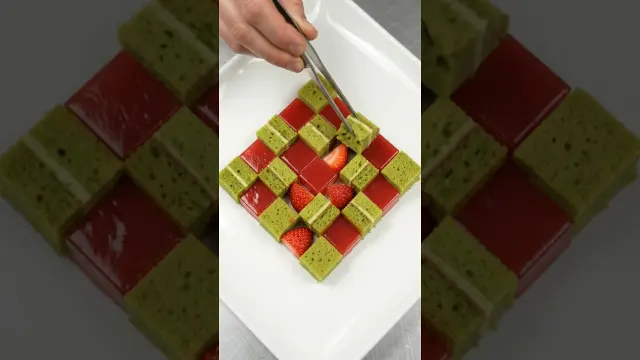
 Gourmet Pastry Presentation and Plating Ideas
#Plated Dessert
14 ideas
Gourmet Pastry Presentation and Plating Ideas
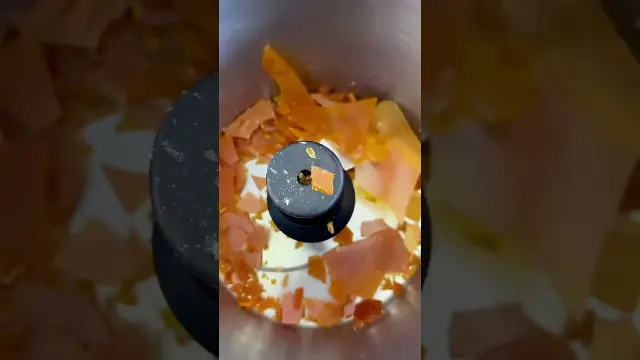 Creating Glass-Thin Caramel Tuiles for Plated Desserts
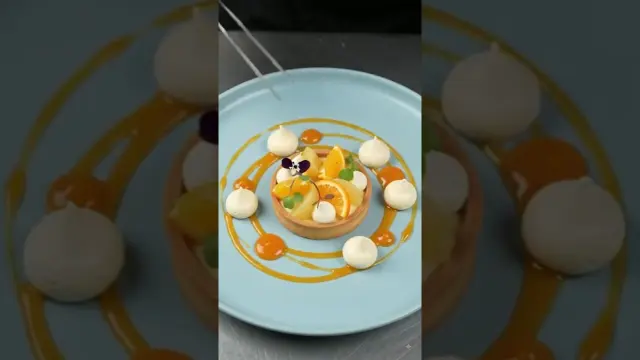 Michelin Star Level Pastry Plating Ideas
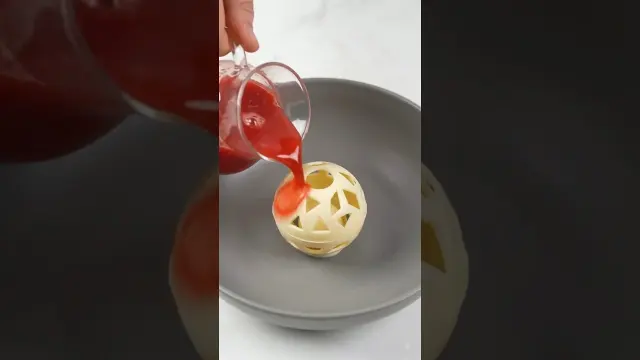 Michelin Star Pastry Plating Techniques
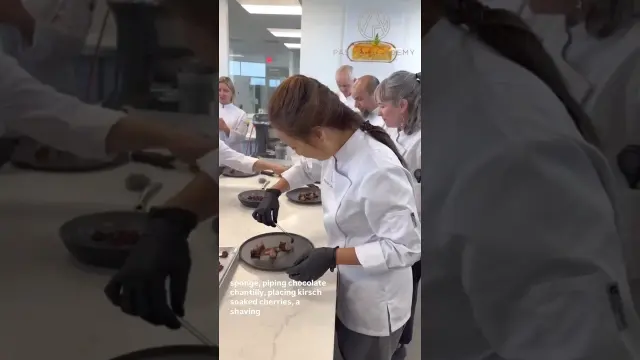 Completing plated desserts on day thirty-one at the academy
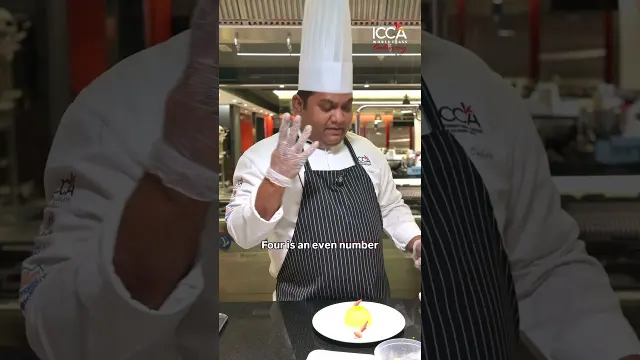 The Essential Components of a Plated Dessert
 Full Process of Plating a Carrot Cake Dessert
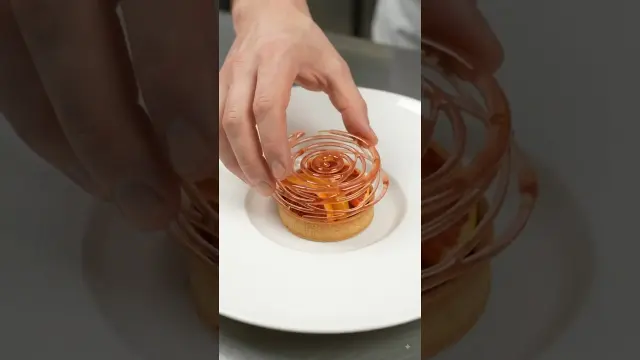 Next-Level Michelin Star Dessert Plating Ideas
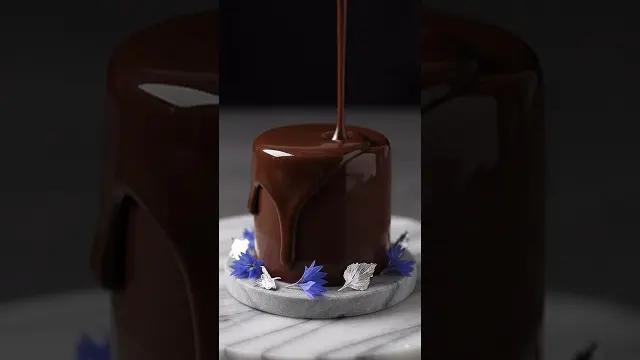 How to Plate Desserts Like a Professional Chef
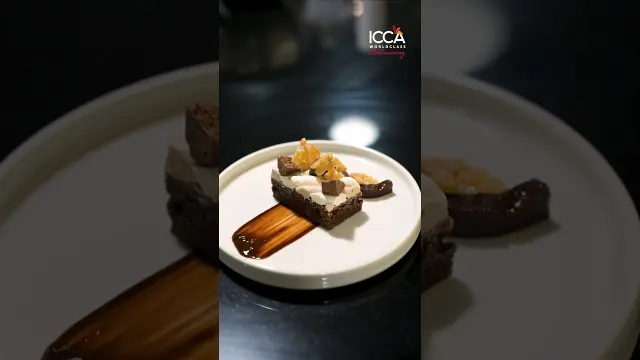 Plating Like a Pro with Chef Shamal
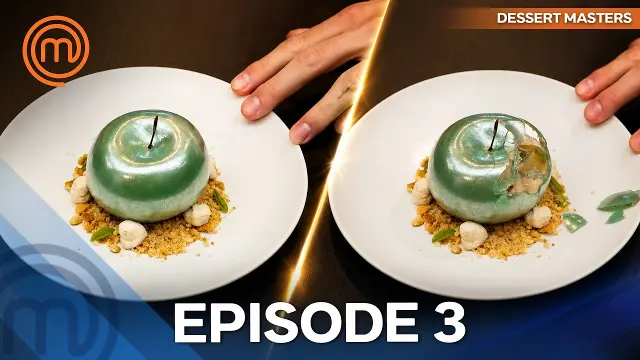 Pastry Chefs Create Dramatic Smash Desserts
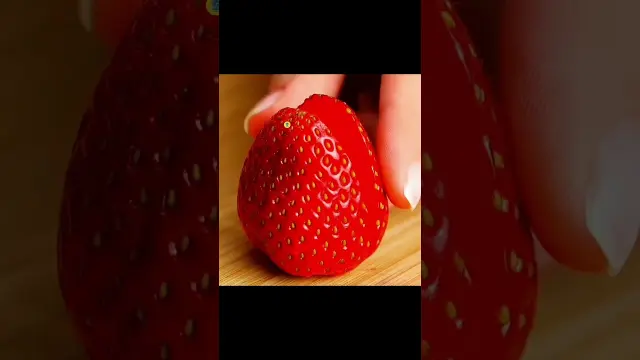 Creative Dessert Plating Ideas and Tricks
 Pastry Students Showcase Final Plated Desserts
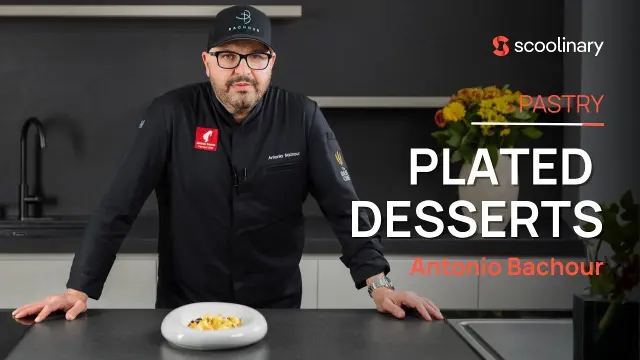 Creating Restaurant-Style Plated Desserts
Get new #Plated Dessert ideas by email
Every Thursday: the week's best ideas, with the newest from #Plated Dessert.
Related tags
Plated Desserts: Elegant Desserts Served to Order
What a plated dessert is
A plated dessert is a dessert designed to be served as an individual composition on a plate, rather than sliced from a larger cake or served in a bowl. It is common in restaurants and pâtisseries, where the goal is not only flavour but also balance, contrast, and presentation. A good plated dessert feels complete on its own: it has something soft, something crisp, something cold or warm, and something bright to lift the sweetness.
The idea comes from classic pastry and fine-dining service, where desserts were treated like small composed dishes. Over time, pastry chefs developed a wide range of styles, from simple fruit-and-cream plates to highly structured desserts with multiple components.
Main elements
Read more
Most plated desserts are built from a few familiar parts:
- A base, such as cake, biscuit, tart, crumble, sponge, or pastry
- A creamy element, such as mousse, crème anglaise, custard, ice cream, sorbet, or whipped cream
- A fruit element, such as compote, fresh fruit, gel, or poached fruit
- A sauce or coulis to add moisture and flavour
- A crisp or decorative element, such as tuile, meringue, caramel, nuts, or chocolate
You do not need many components to make a dessert feel refined. In fact, too many elements can make the plate crowded and muddle the flavours. Simplicity, when carefully thought out, often works best.
Styles and approaches
Plated desserts can be classic, modern, rustic, or highly decorative. Some are based on familiar desserts served in a new way, while others are built specifically as composed plates. You may see:
- Fruit-forward desserts that feel light and fresh
- Chocolate desserts with deep, rich flavours
- Cream-based desserts with delicate textures
- Warm desserts paired with cold elements for contrast
- Minimal plates that focus on clean lines and a few strong flavours
The style should match the ingredients. A bright citrus dessert may suit a light, elegant presentation, while a nutty or chocolate dessert may benefit from richer textures and deeper colours.
Techniques and balance
Good plating is about more than decoration. It is about contrast, proportion, and ease of eating. When you build a dessert, think about how the spoon will move through it. The diner should be able to get a little of each element in a single bite without struggling.
Useful ideas to keep in mind:
- Mix textures: soft, crisp, creamy, and smooth
- Balance sweetness with acidity, fruit, or bitterness
- Keep portions modest so the dessert feels elegant, not heavy
- Use colour thoughtfully so the plate looks clear and appetising
- Add garnish with purpose, not just for filling space
Tips for beginners
If you are new to plated desserts, start with one strong flavour idea and build around it. Choose one base, one cream, and one fruit or sauce, then add a crisp element if needed. Practice making your components ahead of time so you can plate calmly and cleanly.
Work with the plate as a composition, but also as food. The most successful plated desserts are attractive, but they also make sense when eaten. A dessert that is easy to serve, pleasant to eat, and balanced in flavour will always feel satisfying.
Videos come from YouTube and posts from Instagram; titles and summaries are our own. All rights belong to their creators.