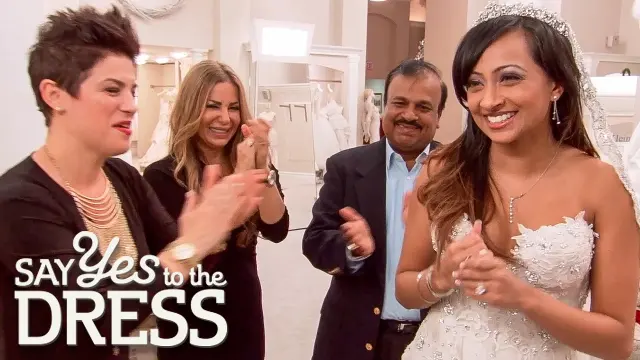
 Bride and Pnina Tornai Create a Bespoke Wedding Gown
#Pnina Tornai
1 ideas
Bride and Pnina Tornai Create a Bespoke Wedding Gown
Get new #Pnina Tornai ideas by email
Every Thursday: the week's best ideas, with the newest from #Pnina Tornai.
Related tags
The Bespoke Bridal Gown: A Guide to Custom Design
A bespoke wedding gown is a dress designed for one person and one occasion. Unlike a sample pulled from a rail and altered to fit, it begins with a conversation and a blank page, and is built around your measurements, your venue and the way you actually move. It is a slow, collaborative piece of craft, and it is worth understanding before you begin.
Where it comes from
The tradition belongs to couture, the branch of dressmaking where garments are made to order by hand for a single client. Bridal wear kept that model alive long after everyday fashion moved to ready-to-wear. Today a designer-led bridal appointment sits somewhere between the two worlds: an atelier's techniques and handwork, offered in a showroom setting where you can try, discuss and decide.
How the process usually works
Read more
Every atelier has its own rhythm, but the arc tends to be similar.
- A consultation, where you talk about the wedding itself: the setting, the season, the formality, what you want to feel like.
- A sketch or two, translating that conversation into a shape.
- A toile, a plain test garment in inexpensive fabric, made to your body so the structure can be checked before anything precious is cut.
- Two or three fittings, each one refining fit, length, and how the dress behaves when you walk, sit and turn.
- Finishing, where embellishment and hand details are completed and the gown is pressed and packed.
Ask at the first appointment how many fittings are included and when the work needs to start. Made-to-order gowns commonly need several months, and a genuinely custom piece needs longer.
Construction worth knowing about
Much of what makes a gown feel secure happens underneath. A structured bodice with internal boning supports the dress and takes weight off the shoulders. Corsetry lacing allows a close, adjustable fit. Horsehair braid in a hem gives a skirt its gentle roll. Hand-applied beading, lace appliqué and embroidery are the visible layer, and they are also where the hours go.
Choices you will be asked to make
Silhouette comes first, because it decides everything else: ballgown, A-line, sheath, mermaid, or a design that borrows from more than one. Fabric follows, and it changes the whole character of a dress, from the weight of duchess satin to the airiness of tulle or chiffon. Then the detail: an illusion back, a dramatic train, sleeves, a detachable overskirt. More is not automatically better. A gown tends to read most clearly when one idea is carried through properly.
Practical advice for a first appointment
Wear the underwear you plan to wear on the day, since it changes how a bodice sits. Bring shoes with a similar heel height to the ones you intend to wear. Keep the guest list short: one or two people whose judgement you trust, not a committee. Bring photographs of dresses you like, and be honest about your budget from the start so the atelier can guide you sensibly. Say clearly what you do not like; it saves everyone time. And leave room to be surprised, because the gown that suits you is not always the one you pictured.
#Pnina Tornai: frequently asked questions
How does the process of ordering a bespoke Pnina Tornai gown usually unfold?
It starts with a consultation about the wedding itself — the venue, the season, the level of formality, and how you want to feel wearing it — and that conversation is then translated into a sketch or two. From there a plain test garment is made to your body so the structure can be checked before any precious fabric is cut, followed by several fittings that refine fit, length and movement. Handwork and embellishment come last, along with pressing and packing.
How far in advance should I start the process?
Earlier than most brides expect, because a genuinely custom gown moves at the pace of handwork rather than a production line. Ask at your very first appointment when the atelier needs to begin in order to have the dress finished comfortably ahead of the wedding. Leaving room before the final fitting is far safer than rushing the finishes.
What should I bring to my first appointment?
Wear the underwear you actually plan to wear on the day, since it changes how a bodice sits, and bring shoes with a heel height close to what you intend to wear. Photographs of dresses you like help enormously, and so does being upfront about your budget so the atelier can steer you sensibly. Keep your companions to one or two people whose judgement you trust rather than a whole committee.
Which silhouette should I choose?
Silhouette comes first because it determines everything that follows — ballgown, A-line, sheath, mermaid, or a design that borrows from more than one. The right one tends to be the shape that suits how you move and where you are getting married, not simply the one you have admired in pictures. Once that is settled, fabric and detail choices fall into place far more easily.
What mistakes are common at a first bridal appointment?
Bringing too many opinions, hiding your budget, and being vague about what you dislike are the usual ones — saying clearly what you do not want saves everybody time. Adding every detail at once is another, since a gown usually reads most clearly when a single idea is carried through properly. It also helps to stay open: the dress that suits you is often not the one you pictured.
How should I care for a bespoke gown before and after the wedding?
Keep it in the bag or box the atelier provides, stored flat and away from direct light and damp, and handle beading or lace by the lining rather than the embellishment. Have it professionally cleaned soon after the wedding, since sugars and oils in food and drink stain invisibly and set over time. Ask the atelier for care guidance specific to your fabrics before you take it home.
Videos come from YouTube and posts from Instagram; titles and summaries are our own. All rights belong to their creators.