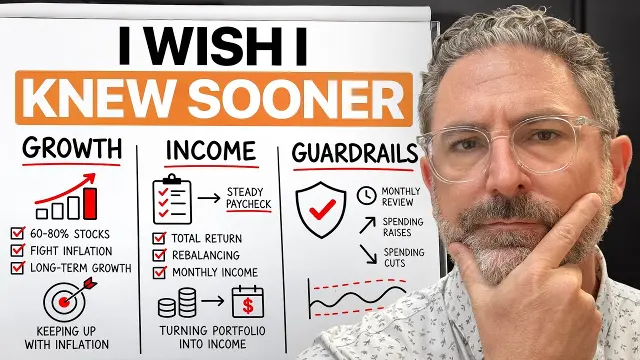
 Designing a Portfolio Strategy for Long Retirements
#Portfolio Strategy
1 ideas
Designing a Portfolio Strategy for Long Retirements
Get new #Portfolio Strategy ideas by email
Every Thursday: the week's best ideas, with the newest from #Portfolio Strategy.
Related tags
Portfolio Strategy Basics
What portfolio strategy means
A portfolio strategy is the plan behind how you divide your money across different types of investments. The idea is simple: instead of putting everything in one place, you spread it across assets that may behave differently over time. That can help you manage risk, stay aligned with your goals, and avoid making decisions based only on short-term market movement.
A good portfolio strategy is not a fixed formula. It depends on your time horizon, your comfort with ups and downs, your need for income or growth, and the purpose of the money. Someone saving for a near-term goal usually needs a different approach from someone investing for retirement or long-term wealth building.
Common parts of a portfolio
Read more
Most portfolio strategies are built from a mix of broad asset groups. These often include:
- Cash or cash-like holdings for stability and short-term needs
- Bonds or other fixed-income investments for steadier income and lower volatility
- Stocks for long-term growth potential
- Sometimes other assets, such as real estate or commodities, depending on the investor’s goals and knowledge
Each part plays a different role. Growth assets can help a portfolio expand over time, while more stable assets can soften the impact of market swings. The right balance depends on what you want the money to do.
Main approaches to strategy
There is no single “best” portfolio strategy, but several common ideas shape good planning:
- Diversification: spreading investments across different asset types, sectors, and regions so one weak area does not dominate the whole portfolio
- Asset allocation: deciding how much to hold in each major category based on your goals and risk tolerance
- Rebalancing: adjusting your holdings from time to time so your portfolio stays close to your intended mix
- Goal-based investing: matching parts of your portfolio to specific needs, such as emergency savings, income, or long-term growth
These ideas work together. A well-diversified portfolio can still be poorly matched to your goals if the overall allocation is not right for your situation.
What beginners should know
If you are new to investing, start with clarity rather than complexity. Before choosing investments, think about why you are investing, when you may need the money, and how much fluctuation you can handle without panicking. A strategy that is too aggressive may be hard to stick with. One that is too cautious may not support your long-term goal.
It also helps to keep costs, taxes, and simplicity in mind. A portfolio does not need many moving parts to be effective. In many cases, a straightforward approach is easier to maintain and less tempting to overmanage.
Practical tips for building a strategy
- Keep your goals specific and realistic
- Match risk to your time horizon, not to short-term market moods
- Review your portfolio regularly, but do not change it constantly
- Rebalance when your mix drifts far from your plan
- Focus on consistency and discipline more than prediction
The best portfolio strategy is usually the one you can understand, maintain, and stay with through both calm and difficult periods.
Videos come from YouTube and posts from Instagram; titles and summaries are our own. All rights belong to their creators.