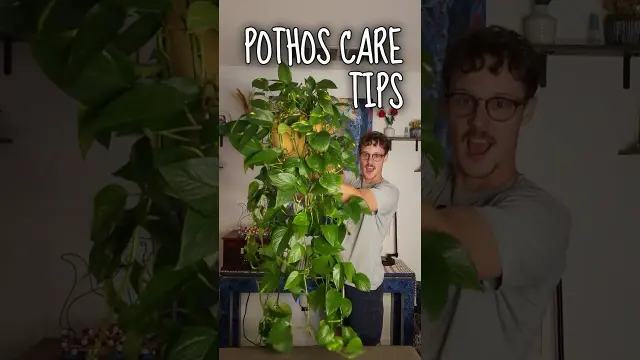
 Pothos Care in 30 Seconds: Fix Leggy Vines and Root Rot
#Pothos
2 ideas
Pothos Care in 30 Seconds: Fix Leggy Vines and Root Rot
 Twenty Popular Houseplants of 2026, From Pothos to Thai Constellation
Get new #Pothos ideas by email
Every Thursday: the week's best ideas, with the newest from #Pothos.
Related tags
Pothos: The Easy-Care Trailing Houseplant
Pothos is one of those plants that seems to find its way into almost every home eventually. Its heart-shaped leaves, long lax vines and remarkable tolerance for less-than-ideal conditions make it a favourite first houseplant — and a favourite tenth one too. Few plants ask so little and give back so much.
What pothos actually is
Pothos is the everyday name for Epipremnum aureum, a climbing plant in the arum family, the same broad group as philodendrons and monsteras. It comes from the island of Mo'orea in French Polynesia, though it has spread so widely through the tropics that it now grows wild across much of the world. Outdoors in warm, humid places it climbs tree trunks and can produce leaves far larger than anything you will see on a windowsill. Indoors, grown in a pot with nothing to climb, it stays small and trails instead — which is exactly why it suits shelves, hanging baskets and the tops of bookcases.
The main kinds
Read more
Most pothos you meet are variations on the same plant, selected for leaf colour. Golden pothos is the classic, with green leaves flecked and streaked in yellow. Marble queen is heavily marbled in white and cream; jade is plain green; neon is a bright, almost luminous chartreuse. Pearls and jade mixes green and white speckling on a more compact plant. You may also see silver or satin pothos in shops — those belong to a related genus, Scindapsus, and are a little more particular about humidity.
Growing it well
Light is the thing to get right. Pothos survives in dim corners, but it thrives in bright, indirect light, and the more variegated a variety is, the more light it needs to keep its pattern. Direct midday sun can scorch the leaves.
Water when the top few centimetres of soil feel dry — roughly weekly in summer, less in winter. Yellowing lower leaves usually mean too much water rather than too little, so when in doubt, wait. Any ordinary well-draining potting mix works; a pot with a drainage hole matters more than the compost itself. Pothos dislikes cold draughts and chilly windowsills, and it appreciates a wipe-down of its leaves now and then so it can breathe.
Making more of it
Propagation is where pothos rewards you most. Snip a length of vine just below a node — the small bump where a leaf joins the stem — and stand it in a glass of water or push it into moist compost. Roots appear within weeks, and you can pot the cutting on once they are a few centimetres long. One long vine can become several plants in a season.
A word of care
Pothos is not edible. Its sap contains crystals that irritate the mouth and throat if chewed, so keep it out of reach of curious pets and small children, wash your hands after pruning, and speak to a vet or a poison service if you suspect an animal has eaten some.
Beyond that, there is little to worry about. Give it reasonable light, resist the urge to overwater, and it will quietly grow for years.
#Pothos: frequently asked questions
How do I start with a pothos if I've never kept a plant before?
Start with a small, healthy plant rather than a cutting if you want the easiest beginning, and give it a spot with bright but indirect light. Pot it in any ordinary well-draining mix, in a container that has a drainage hole, and water only when the top of the soil feels dry. That's genuinely most of the job — it tolerates imperfect conditions far better than most houseplants.
Which variety of pothos should I choose?
Pick by the leaf colour you like, then match it to your light. Plain green and golden types cope best with dimmer corners, while heavily marbled or white-splashed varieties need brighter light to hold onto their pattern. If you want something compact, look for a speckled, bushy form; if you want long trailing vines for a shelf or hanging basket, the classic golden type is the natural choice.
How much light and water does a pothos need?
Bright, indirect light keeps it growing strongly and holds the variegation, while direct midday sun can scorch the leaves. It will survive in a dim corner, but slowly and with fewer leaves. Water when the top layer of soil feels dry, more often in the growing season and much less in winter, and always let it drain rather than sitting in water.
How do I make more plants from one pothos?
Cut a length of vine just below a node, the little bump where a leaf meets the stem. Stand the cutting in a glass of water or press it into moist compost, and roots will appear within a few weeks. Once the roots are a few centimetres long you can pot the cutting up, so a single long vine can become several plants in one season.
What are the most common pothos mistakes?
Overwatering is the big one: yellowing lower leaves usually mean too much water rather than too little, so when in doubt, wait. The second is light — a plant in a dark corner will grow thin, leggy vines with widely spaced leaves instead of a full shape. Also keep it away from cold draughts and chilly windowsills, and wipe the leaves occasionally so they can breathe.
Is pothos safe to keep around pets and small children?
No — pothos is not edible, and its sap contains crystals that irritate the mouth and throat if chewed. Keep it out of reach of curious pets and young children, and wash your hands after pruning or taking cuttings. If you suspect an animal has eaten some, contact your vet straight away.
Videos come from YouTube and posts from Instagram; titles and summaries are our own. All rights belong to their creators.