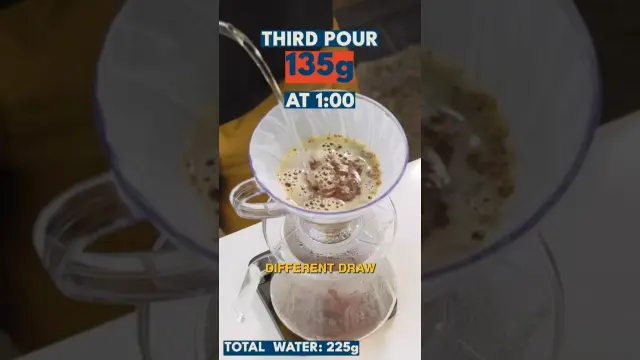
 Simple V60 pour over coffee recipe in under three minutes
#Pour Over
1 ideas
Simple V60 pour over coffee recipe in under three minutes
Get new #Pour Over ideas by email
Every Thursday: the week's best ideas, with the newest from #Pour Over.
Related tags
Pour Over Coffee Guide
Pour over coffee is a manual brewing method in which hot water is poured over ground coffee and allowed to pass through a filter into a cup or carafe. It is valued for the control it gives you over strength, flavor, and clarity. Because the water moves slowly through the coffee bed, pour over can highlight delicate aromas, bright acidity, and clean taste.
What pour over coffee is
At its simplest, pour over coffee uses three things: ground coffee, hot water, and a filter. The filter holds back the grounds while the brewed coffee drips through. The method can be as simple or as precise as you like. Some people use a basic cone and kettle, while others prefer a setup with a scale and timer for repeatable results.
Pour over brewing has long been associated with careful hand brewing traditions. It became popular in homes and cafés because it allows the drinker to shape the final cup by changing the grind size, water temperature, pouring speed, and coffee-to-water ratio.
Read more
Main styles and devices
There are several common kinds of pour over brewers. Cone-shaped drippers are among the best known, and they usually produce a cup with a balanced body and clear flavor. Flat-bottom brewers tend to draw water through the coffee more evenly, which can create a rounder cup. A simple cloth, paper, or metal filter may be used, and each changes the texture of the coffee slightly.
Paper filters generally make the cup cleaner and brighter. Metal filters allow more oils through, giving a fuller mouthfeel. Cloth filters sit somewhere between the two. The best choice depends on the taste you enjoy and how much cleanup you want to do.
How to brew well
If you are new to pour over, start with fresh coffee beans ground just before brewing. A medium-fine grind is often a good place to begin, though the right grind depends on your brewer and filter. Use water that is hot but not boiling, and pour steadily rather than in a rush.
A common approach is to wet the grounds first, then continue pouring in small circles so all the coffee is evenly saturated. This helps extract flavor more evenly. If the coffee tastes weak, you may need a finer grind, more coffee, or a slower pour. If it tastes bitter or harsh, try a coarser grind or a gentler extraction.
Beginner tips
- Rinse paper filters before brewing to remove any papery taste and warm the dripper.
- Use a consistent ratio of coffee to water so you can repeat what you like.
- Pour slowly and evenly, but do not overcomplicate the process.
- Taste and adjust one variable at a time.
- Clean your equipment regularly so old oils do not affect the flavor.
Pour over coffee rewards patience, but it does not need to be intimidating. Once you understand the basic principles, you can make a cup that suits your taste very reliably. The method is especially satisfying if you enjoy noticing how small changes can shape aroma, body, and flavor.
#Pour Over: frequently asked questions
How do I start making pour over coffee at home?
Begin with freshly roasted beans ground just before you brew, and pour hot water that has cooled slightly off the boil. Wet the grounds first, wait a moment for them to settle, then continue pouring slowly in small circles until all the coffee is soaked. Taste the result and adjust gradually rather than changing everything at once.
What equipment do I actually need for pour over?
The essentials are a dripper, a filter that fits it, ground coffee, and hot water — a kettle with a narrow spout helps you pour steadily. A scale and timer are optional but make it much easier to repeat a cup you liked. You can add a carafe or brew straight into a mug.
Cone or flat-bottom brewer — which should I pick?
Cone drippers tend to give a clear, balanced cup, while flat-bottom designs draw water through the bed more evenly for a rounder result. Neither is better in general; it comes down to the flavor profile you prefer and how forgiving you want the brewing to be. If you like experimenting with pouring technique, a cone is a satisfying place to start.
Does the filter type really change the taste?
Yes, noticeably. Paper holds back most oils and fine particles, so the cup comes out clean and bright, while metal lets those oils through for a heavier mouthfeel. Cloth sits in between and needs more careful washing to stay fresh.
What are the most common pour over mistakes?
Pouring too fast or too unevenly is the usual culprit — the water rushes through part of the bed and leaves the rest underextracted. Using stale coffee or a grind that doesn't suit your dripper also throws things off, and skipping the filter rinse can leave a papery edge. If the cup tastes thin, grind finer or slow down; if it tastes harsh, go coarser or gentler.
How should I clean and care for pour over gear?
Rinse the dripper and carafe after every brew so old oils don't build up and turn rancid, which will show in the next cup. Paper filters get discarded, but cloth filters need thorough rinsing and should be stored wet or kept chilled between uses. Give metal filters and glass or ceramic brewers an occasional deeper wash with mild soap.
Videos come from YouTube and posts from Instagram; titles and summaries are our own. All rights belong to their creators.