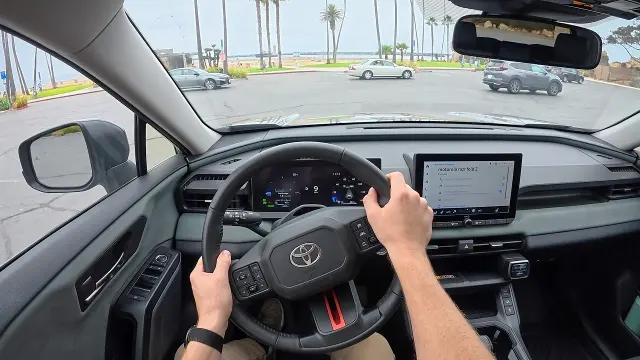
 POV Drive of the 2026 Toyota RAV4 Plug-in Woodland Edition
#POV Drive
2 ideas
POV Drive of the 2026 Toyota RAV4 Plug-in Woodland Edition
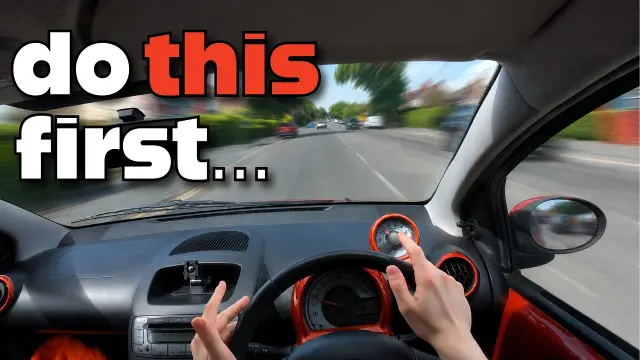 First Drive After Passing Your Test: UK New Driver POV
Get new #POV Drive ideas by email
Every Thursday: the week's best ideas, with the newest from #POV Drive.
Related tags
POV Drive: A First-Person Guide to the View From the Driver's Seat
A POV drive is a video shot from the driver's own eyes. The camera sits somewhere in the cabin, or on the person, and shows you the road as it unfolds: hands on the wheel, mirrors flicking past, the bonnet or dashboard filling the bottom of the frame. There is no narrator standing beside the car explaining it. You are simply in the seat, and the journey happens to you.
Where the idea comes from
The style grew out of two older habits: the dashboard camera people keep for insurance and peace of mind, and the travel film where someone points a lens out of a moving car. Once small cameras became cheap and easy to mount, drivers started sharing the whole experience rather than a highlight reel, and viewers discovered that the ordinary view from a car could be oddly absorbing.
What people use it for
Read more
- Seeing a car, a road or a city from home, without booking anything.
- Getting a sense of what a vehicle actually feels like to sit in and drive, beyond a list of specifications.
- Learning a route before driving it, from a learner's first trip to an unfamiliar motorway junction.
- Settling company: long, quiet drives are watched the way some people listen to rain.
The main styles
Most POV drives fall into a few shapes. There is the calm, unedited run along a coast road or through a city at dusk, often watched for atmosphere rather than information. There is the talkative drive, where the person behind the wheel explains what they are doing, why they chose a gear, what a car is like to live with. There is the learner's perspective, all stalls, mirrors and small victories, which many new drivers find reassuring. And there is the purely scenic version, where the sound is wind and engine and nothing else.
If you want to film one
Think about the camera first and the drive second, because a badly placed lens ruins a good road. Keep the mount firm and the horizon level, and check that the frame includes a little of the car, so the viewer has something to hold on to. Reflections on the glass are the usual enemy: a cloth or a hood over the lens area helps. Sound matters more than most people expect, so decide early whether you want the clean voice of commentary or the muffled rumble of the cabin, and record them separately if you can.
Beware the temptation to perform. A POV drive works because it feels like a real journey, not because of dramatic editing, so long unbroken stretches are usually better than quick cuts. Respect the people around you as well: blur number plates and faces where you can, and never film someone else's property in a way that invites trouble.
Before anything else, drive safely
The camera never comes before the road. Mount everything before you set off, keep the setup out of your line of sight, and leave it alone once the car is moving. Follow the driving and filming laws where you are, and if a shot needs you to look away, don't take it. A good POV drive is a boring one from a safety point of view, and that is exactly what makes it pleasant to watch.
#POV Drive: frequently asked questions
What exactly is a POV drive, and why do people watch them?
It is a video filmed from the driver's own viewpoint, so the viewer sees the road, the wheel and the dashboard as the journey unfolds, with nobody narrating at them. People watch for all sorts of reasons: to preview a route, to get a feel for a car beyond a spec sheet, or simply to enjoy the atmosphere of a quiet run through a city or along a coast. The appeal is the ordinariness of it, which turns out to be oddly calming.
What do I need before filming my first POV drive?
A small camera that mounts securely and records decent sound will take you a long way, and a stable mount matters more than an expensive lens. Decide up front whether you want to talk through the drive or capture only the cabin and engine, and record the two separately if your setup allows it, since sound shapes the mood as much as the picture does. Sort out every piece of equipment while parked, then leave it alone once you pull away.
Which style of POV drive should I make?
The calm unedited run, the talkative drive, the learner's perspective and the purely scenic version all work, and they suit different intentions rather than different skill levels. If you enjoy explaining what you are doing and why, commentary gives viewers something to follow; if you would rather let the road speak, keep the sound natural and the takes long. A learner's drive is its own genre, valued for its honesty about stalls, mirrors and small victories.
How do I look after the setup so the footage stays usable?
Keep the mount firm and the horizon level, and wipe the glass before you set off, because reflections and smudges are the usual culprits behind disappointing footage. Store the camera and mount carefully between drives and check the battery and storage before each outing rather than discovering a problem at the roadside. Aim the frame so a little of the car stays visible, which gives the viewer something to anchor the view to.
What mistakes do people make when filming a POV drive?
The big one is performing: quick cuts and dramatic edits work against a format that is compelling precisely because it feels like a real journey. Reflections on the windscreen, a wandering horizon and neglected audio spoil otherwise good drives, and filming other people's faces, plates or property without care invites trouble. Above all, never let the shot compete with the road, because a good POV drive is uneventful from a safety point of view.
What kinds of drives work well for a special occasion or a first attempt?
A familiar route you know well is the easiest place to start, since you can concentrate on the camera and the driving without surprises. For something with more occasion, a coastal road, a city at dusk or a first trip after passing your test all give the viewer a sense of a journey with a beginning and an end. Whatever you pick, follow the driving and filming rules where you are and skip any shot that would pull your eyes off the road.
Videos come from YouTube and posts from Instagram; titles and summaries are our own. All rights belong to their creators.