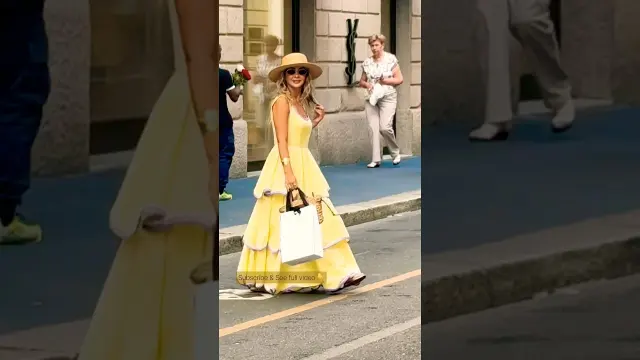
 Milan Street Style Pre-Fall Fashion and Chic Outfits
#Pre-Fall Fashion
1 ideas
Milan Street Style Pre-Fall Fashion and Chic Outfits
Get new #Pre-Fall Fashion ideas by email
Every Thursday: the week's best ideas, with the newest from #Pre-Fall Fashion.
Related tags
Pre-Fall Fashion: A Guide to Transitional Dressing
Pre-fall is the fashion calendar's in-between moment: the clothes that arrive when summer is still with us but the shops have already begun to think about autumn. It sits between the spring/summer and autumn/winter collections, and its whole reason for existing is the awkward stretch of weeks when neither wardrobe quite fits.
What the term covers
Pre-fall (sometimes called pre-autumn) is a mid-season collection shown and sold in the gap between the two main seasons. It reaches shops earlier than the autumn/winter main line and stays on the rail for longer, which is one reason it tends to be practical rather than spectacular. It is close in spirit to resort or cruise collections — also mid-season — though those lean towards holiday and travel dressing, while pre-fall looks ahead to cooler days.
Where it comes from
Read more
The idea grew out of the industry's delivery schedule. Main collections are designed many months before they reach a shop floor, and the long gap between one season's arrival and the next left retailers with little that felt new. Pre-fall filled that space, and over time it became a substantial part of what designers produce: a chance to make wearable, commercial clothes with a longer selling life than a single trend-driven collection.
Because of that, pre-fall is less about a statement and more about pieces you can actually live in. Expect fine knits, mid-weight tailoring, shirt dresses, trenches and light coats, denim, and the kind of layering that can be adjusted as the day warms and cools.
What defines the look
The palette usually moves away from high-summer brights towards something calmer — stone, camel, grey, navy, deep green, burgundy — often with a few warm neutrals holding it together. Fabrics are chosen for flexibility: cotton poplin, light wool, silk, linen blends and jersey that work in more than one temperature.
- Light layering instead of heavy covering: a fine knit over a slip dress, a shirt under a sleeveless top.
- Long, soft outerwear worn open, so it can be closed later in the year.
- Trousers and skirts that sit between summer and winter weights.
- Shoes that cope with uncertain weather rather than celebrating the beach.
Starting out
If you are building around pre-fall for the first time, think in layers rather than outfits. Ask of anything you pick up whether it works on a warm afternoon and again on a cool evening; if the answer is no, it belongs to another season. Choose a small palette you can combine easily, and put your budget into the pieces that carry the outfit — a good light coat, a knit that holds its shape, a pair of trousers that can be dressed up or down.
Natural fibres tend to breathe better in heat and layer better in cold than synthetic ones, though blends can be more hard-wearing and easier to care for. Wash less, air more, and store knits folded.
Above all, treat pre-fall as permission to buy slowly. It is the part of the year that rewards clothes with range over clothes with drama.
#Pre-Fall Fashion: frequently asked questions
What exactly is pre-fall fashion, and how is it different from the main autumn collection?
Pre-fall is a mid-season collection that sits between spring/summer and autumn/winter, arriving in shops well before the main autumn line. Because it stays on the rail longer, it tends to be practical and wearable rather than dramatic. It shares its in-between spirit with resort lines, but looks ahead to cooler weather instead of holiday dressing.
How do I start building a pre-fall wardrobe without buying a whole new closet?
Think in layers rather than complete outfits, and test each piece against a warm afternoon and a cool evening before committing. Settle on a small palette whose colours combine easily, then spend the most on the pieces that carry the look, such as a light coat, a knit that keeps its shape, and versatile trousers. The goal is clothes with range, not clothes with drama.
Which fabrics and colours should I look for in pre-fall pieces?
Choose fabrics picked for flexibility: cotton poplin, light wool, silk, linen blends and jersey all handle more than one temperature. Natural fibres breathe in heat and layer well in cold, while blends can be tougher and simpler to look after. The palette usually turns away from high-summer brights towards stone, camel, grey, navy, deep green and burgundy, held together by warm neutrals.
How should I care for pre-fall knits and light outerwear so they last?
Wash less and air more, since most mid-weight pieces freshen up with a day on a hanger rather than a full cycle. Store knits folded so they keep their shape instead of stretching on a hanger. Light coats and soft tailoring reward a brush and proper hanging between wears.
What are some outfit ideas for tricky in-between weather?
Layer lightly rather than covering up heavily: a fine knit over a slip dress, or a shirt under a sleeveless top, can be adjusted as the day shifts. Wear long, soft outerwear open while it is mild and close it when the evening cools. Finish with shoes built for uncertain weather and trousers or skirts in weights that sit between summer and winter.
What mistakes do people make when shopping for pre-fall?
The most common is buying single-season pieces that only work in one temperature, which leaves the wardrobe empty again within weeks. Another is chasing a statement item instead of investing in layers and neutrals that combine with what is already there. Buying too fast and too much defeats the point, since pre-fall rewards a slow approach.
Videos come from YouTube and posts from Instagram; titles and summaries are our own. All rights belong to their creators.