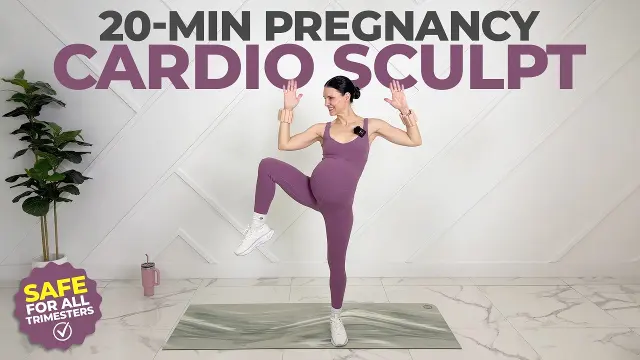
 20 Minute Cardio And Sculpt Workout For A Fit Pregnancy
#Pregnancy Cardio
2 ideas
20 Minute Cardio And Sculpt Workout For A Fit Pregnancy
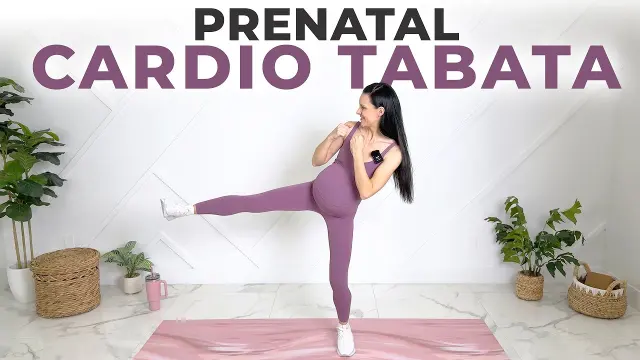 10 Minute Pregnancy Tabata Cardio Workout For Energy
Get new #Pregnancy Cardio ideas by email
Every Thursday: the week's best ideas, with the newest from #Pregnancy Cardio.
Related tags
Pregnancy Cardio Guide
Pregnancy cardio means any steady, rhythmic movement that raises your heart rate in a comfortable way while you are expecting. It is not about pushing harder or chasing fitness goals. It is about supporting circulation, stamina, mood, and day-to-day comfort as your body changes. For many people, regular movement can also help make sleep, digestion, and energy feel a little more manageable.
Cardio during pregnancy can include walking, swimming, stationary cycling, low-impact dance, water exercise, and other smooth, controlled activities. The best choice is usually the one that feels natural, safe, and easy to keep up with. If you were already active before pregnancy, you may be able to continue many of your usual workouts with adjustments. If you are new to exercise, starting gently is completely fine. A short walk can be just as valuable as a longer session when you are building consistency.
What pregnancy cardio is good for
Gentle aerobic exercise can help you stay mobile and maintain stamina for daily tasks. It may also support healthy posture, reduce stiffness, and give you a regular time to connect with your body and breathing. Just as important, movement can be a useful way to relieve tension and clear your head.
Read more
The aim is comfort and control. You should be able to talk while you move, even if you are breathing a bit more quickly. If you feel lightheaded, overly tired, short of breath in an unusual way, or unwell, it is time to stop and rest.
Common types of pregnancy cardio
- Walking: simple, flexible, and easy to adjust
- Swimming or water walking: gentle on joints and supportive for the body
- Stationary cycling: stable and low impact
- Low-impact aerobics: smooth movement with minimal jumping
- Light dance or rhythmic movement: useful if it feels balanced and comfortable
As pregnancy progresses, you may prefer lower-impact options because balance and joint comfort can change. Movements that involve sudden direction changes, high impact, or risk of falling may become less suitable.
Tips for exercising safely
- Warm up slowly and cool down gradually
- Wear supportive, comfortable clothing and shoes
- Drink water before, during, and after activity
- Avoid overheating and choose well-ventilated spaces
- Keep your movements controlled and steady
- Use the “talk test” to stay at a comfortable effort level
- Stop if something feels wrong, painful, or unusually difficult
It can also help to be flexible with your routine. Some days you may feel energetic, and other days you may need a shorter session or a rest day. That is normal. Pregnancy often changes how exercise feels, so listening to your body matters more than sticking to a perfect plan.
What beginners should remember
If you are new to cardio, start with a few minutes at a time and build gradually. Consistency matters more than intensity. Gentle regular movement is usually more useful than occasional hard workouts. If you have any pregnancy concerns or you have been advised to limit activity, ask a qualified health professional for guidance before beginning or changing your routine.
The most helpful pregnancy cardio is the kind that leaves you feeling steadier, not exhausted. Keep it simple, keep it comfortable, and let your body set the pace.
Videos come from YouTube and posts from Instagram; titles and summaries are our own. All rights belong to their creators.