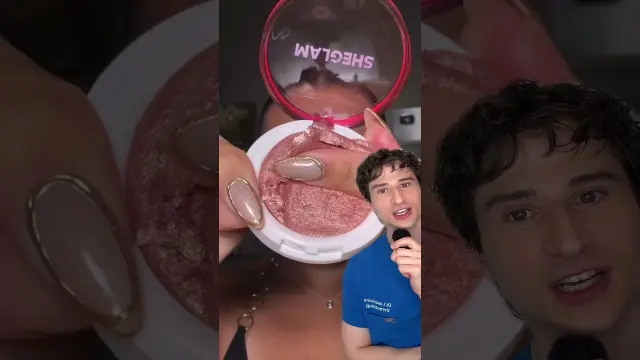
 Dermatologist Reacts to a Full Makeup Routine
#Product Reaction
1 ideas
Dermatologist Reacts to a Full Makeup Routine
Get new #Product Reaction ideas by email
Every Thursday: the week's best ideas, with the newest from #Product Reaction.
Related tags
Product Reaction Videos: A Guide to Watching Wisely
A product reaction is a simple idea: one person, a product, and a camera. Someone opens a box, applies a cream, tests a pan, tastes a sauce or reads an ingredient list aloud, and the audience watches their honest, unscripted-looking response. The appeal is closeness. Instead of a polished advertisement, you get a face, a voice and a running commentary that feels like standing next to a friend in the shop aisle.
The format grew out of the older habit of reviewing things in public — letters to magazines, forum posts, word of mouth between neighbours. What changed is the medium. Video made the reaction itself the point, not just the verdict. A raised eyebrow, a pause, a hesitant second application can say more than a score out of ten.
The main kinds
Reactions differ mostly by who is reacting and what they bring to it. Some are first impressions: a person encountering a product with no preparation at all, which is useful for seeing what an ordinary buyer might notice. Some are comparisons, where two or three similar items are tried side by side. Some are expert readings, in which a professional — a makeup artist, a cook, a chemist — explains what they see in a formula, a texture or a technique, and why it might behave the way it does.
Read more
There are also reaction formats built around other people's routines: watching a video of a full routine and commenting on it step by step. These are especially common in beauty, where small decisions about order, quantity and layering matter a great deal.
How to watch with a clear head
A reaction is one person's experience, not a verdict on what will happen to you. Skin, hair, taste and tolerance vary enormously, so treat any response on screen as a data point rather than a promise. Ask yourself what the person's starting point is: their skin type, their experience level, whether they have used similar things before. If that context is missing, the reaction is harder to interpret.
Pay attention to what is actually shown. A close-up of texture, a demonstration of how a product spreads or how much is needed, tells you more than an enthusiastic adjective. Long-term follow-up is rarer and more informative than a first impression.
Keep in mind that enthusiasm is contagious and often rewarded. A reaction can be genuine and still shaped by the hope of an audience. Cross-check anything that matters to you against a second and third source, and read the ingredient list or instructions yourself where you can.
Practical starting points
If you want to try creating reactions, keep it plain: good light, a steady frame, and talk through what you notice rather than what you are supposed to notice. Say what you expected, then what happened. Disclose anything that might sway you — a free sample, a gift, a long-standing preference. That small honesty is what makes the whole format worth watching.
Videos come from YouTube and posts from Instagram; titles and summaries are our own. All rights belong to their creators.