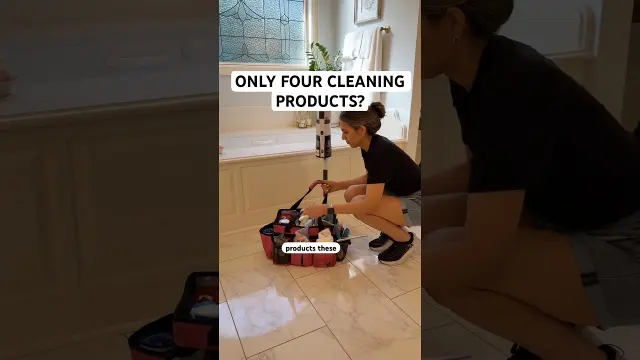
 Four essential cleaning products for everyday use
#Professional Cleaning
1 ideas
Four essential cleaning products for everyday use
Get new #Professional Cleaning ideas by email
Every Thursday: the week's best ideas, with the newest from #Professional Cleaning.
Related tags
Professional Cleaning Basics and Methods
What professional cleaning means
Professional cleaning is the organised, thorough cleaning of homes, workplaces, and shared spaces using established methods, suitable tools, and a clear routine. It goes beyond quick tidying or surface wiping. The goal is to remove dirt, dust, grease, and buildup in a way that is efficient, consistent, and appropriate for the surface being cleaned.
The idea has long been part of household and workplace care, especially where hygiene, appearance, and maintenance matter. Today, professional cleaning can refer both to cleaning done by trained cleaners and to a more methodical approach you can use yourself.
Common types of cleaning
Read more
Professional cleaning usually includes several kinds of work:
- Routine cleaning: regular dusting, vacuuming, wiping, mopping, and bathroom cleaning
- Deep cleaning: a more detailed clean that reaches corners, edges, fixtures, and hidden buildup
- Move-in or move-out cleaning: a full cleaning before someone arrives or after they leave
- Commercial cleaning: cleaning offices, shops, shared buildings, and other business spaces
- Specialty cleaning: for delicate materials, upholstery, carpets, windows, or post-renovation dust
Each type has a different purpose, but all rely on the same basic principles: remove loose dirt first, work from clean to dirty areas, and use the right method for the surface.
Main techniques and tools
A professional approach usually follows a simple order. First, dust and remove debris. Then clean with water or a suitable cleaner. After that, rinse or wipe away residue, and finish by drying or polishing if needed.
Useful tools often include:
- Microfibre cloths for dusting and wiping
- Mops and buckets for floors
- Brushes for grout, corners, and stubborn marks
- Vacuum cleaners for carpets, rugs, and upholstery
- Gloves to protect your hands during heavier cleaning
The exact cleaner depends on the surface. A gentle all-purpose cleaner may suit many tasks, while glass, wood, metal, or stone can each need more careful treatment. Always check whether a product is safe for the material, and avoid mixing cleaning chemicals unless the instructions clearly allow it.
What beginners should know
If you are learning to clean more professionally, start with a routine. Clean one room at a time and work from top to bottom, so dust falls onto areas you have not yet cleaned. Open space by putting away items before you begin. This makes wiping and vacuuming much easier.
A few practical habits help a lot:
- Test any new cleaner on a small hidden area first
- Change cloths or water when they become dirty
- Give cleaning products time to work when needed
- Ventilate the room while cleaning
- Keep separate cloths for bathrooms and kitchens
A careful approach
Professional cleaning is not about scrubbing harder. It is about using the right method, staying organised, and protecting surfaces as well as people. If a stain or material seems uncertain, choose the gentlest option first. With a steady routine and a few reliable tools, you can keep spaces cleaner, fresher, and easier to maintain over time.
Videos come from YouTube and posts from Instagram; titles and summaries are our own. All rights belong to their creators.