 Recap of a Virtual Professional Development Event Focused on AI
#Professional Development
12 ideas
Recap of a Virtual Professional Development Event Focused on AI
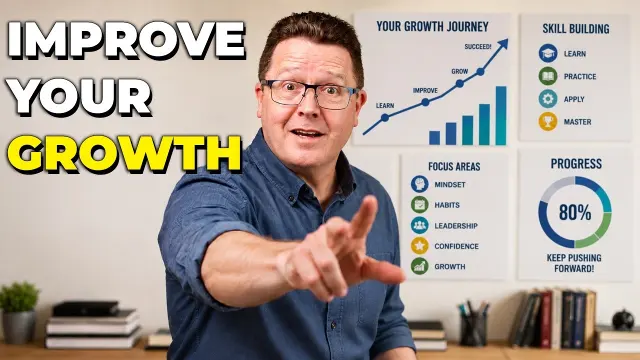 Building Personal Growth as the Base for Professional Success
 Choosing Continuing Education Worth It for Pediatric PTs
 How Professional Development Shifted from Employers to Individuals
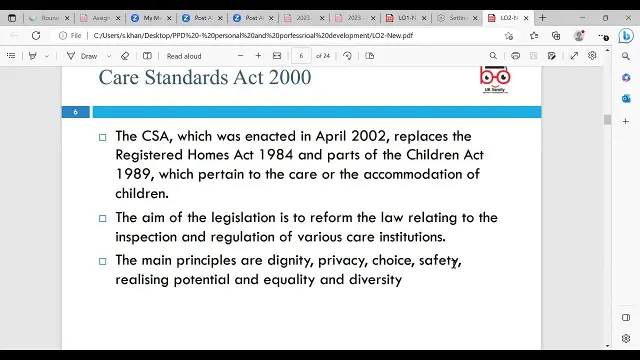 Personal and Professional Development in Health and Social Care: LO2
 Nursing Continuing Education Explained for Students and Nurses
 Panel Discussion on Lifelong Learning in the Age of AI
 Compliance Versus Commitment in Teacher Professional Development
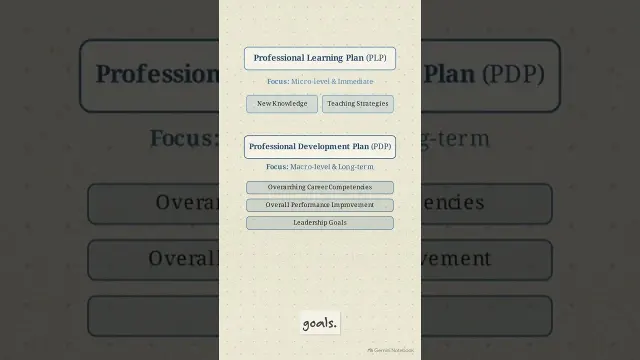 Professional Learning Plan vs Professional Development Plan for Teachers
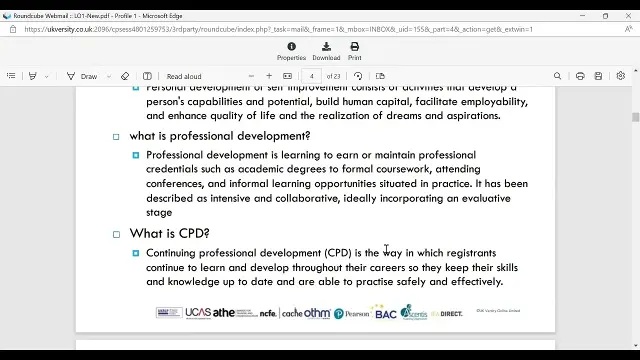 Personal and Professional Development in Health and Social Care: LO1
 Five Simple Steps to Find Time for Professional Development
 Making Take-Home Professional Development Activity Bags for Staff
Get new #Professional Development ideas by email
Every Thursday: the week's best ideas, with the newest from #Professional Development.
Related tags
Professional Development: A Guide to Growing in Your Career
Professional development is the ongoing process of building the knowledge, skills and judgement you need to do your work well and to keep doing it well as the years pass. It is not a single course or a certificate on a wall; it is the habit of treating your working life as something that can be tended and improved. Some of it happens in formal settings such as classrooms and training programmes. Much of it happens quietly, in the middle of an ordinary week.
Where it comes from
The idea grew out of the professions that have long required their members to keep learning after qualifying, such as medicine, law, teaching and nursing. Over time it spread into almost every field, partly because jobs change and partly because people increasingly expect to move between roles rather than stay in one for a lifetime. Today it belongs to anyone who wants to stay capable, whether they work in a hospital, a workshop, an office or their own kitchen table.
The main kinds
Read more
Professional development tends to fall into a few broad shapes, and most people use a mix of them:
- Formal learning: courses, qualifications, workshops and structured continuing education, often with an assessment at the end.
- Learning on the job: taking on an unfamiliar task, shadowing a colleague, or asking to sit in on work you do not yet understand.
- Reading and listening: journals, books, podcasts and talks that keep you in touch with how your field thinks.
- Mentoring and conversation: a more experienced person who will tell you honestly what you are missing, and peers who will tell you what worked for them.
- Reflection: noticing what went badly, working out why, and deciding what to do differently next time.
What beginners should know
If you are starting out, resist the urge to collect qualifications for their own sake. Begin with a question: what do I want to be able to do that I cannot do now? That question usually points to one or two useful things rather than ten. Check what your profession or employer actually requires, since some fields, nursing and therapy among them, ask for a set number of continuing education hours to stay registered, and those requirements are worth understanding early rather than scrambling to meet them later.
Be realistic about time. A short, regular commitment usually beats an ambitious plan you abandon in a month. And do not overlook the learning that costs nothing: a conversation with someone doing the job you want, a careful look at how a colleague handles a difficult situation, a note you keep of problems you keep running into.
Practical habits
Keep a simple record of what you have learned and when, both for your own memory and for the day someone asks. Choose depth over breadth when you can, because scattered certificates impress far less than genuine competence in something. Ask for feedback before it is offered, and try to hear it without defending yourself. Finally, remember that development is uneven: some years bring a qualification, others bring a hard lesson, and both count.
#Professional Development: frequently asked questions
How do I actually get started with professional development?
Start with a question rather than a course catalogue: what do I want to be able to do that I can't do yet? The honest answer usually points to a small number of genuinely useful next steps instead of a long wish list. From there, pick the easiest of those steps to begin this week — a conversation with someone already doing the work, or asking to sit in on a task you don't yet understand, both count.
Do I need formal qualifications to develop professionally?
Only where your field or employer requires them — some regulated professions expect a set amount of continuing education just to stay registered, so it's worth checking your own situation early. Everywhere else, formal learning is one option among several rather than the entry ticket. Real competence in something specific, plus a track record of taking feedback, tends to carry more weight than a wall of certificates.
Which kind of professional development should I choose?
Most people do best with a mix: something structured to fill a real gap, something on the job to build judgement, and steady reading, listening or conversation to stay in touch with how the field is thinking. Choose depth over breadth where you can. Becoming genuinely good at one thing will serve you better than grazing across many.
How do I find time for professional development when work is already full?
Aim for something short and repeatable rather than an ambitious plan you'll abandon. Learning that attaches itself to work you're already doing — an unfamiliar task, a colleague's approach to a hard situation, a running note of problems you keep hitting — costs almost no extra time. Reflection is the cheapest form of all, and it's the one people skip.
What mistakes should I avoid?
Collecting qualifications for their own sake is the classic one, along with planning something so grand it collapses within weeks. Another is treating feedback as an attack and defending yourself instead of hearing it. It also helps to remember that development is uneven — some periods bring a formal qualification, others bring a hard lesson, and both count.
Videos come from YouTube and posts from Instagram; titles and summaries are our own. All rights belong to their creators.