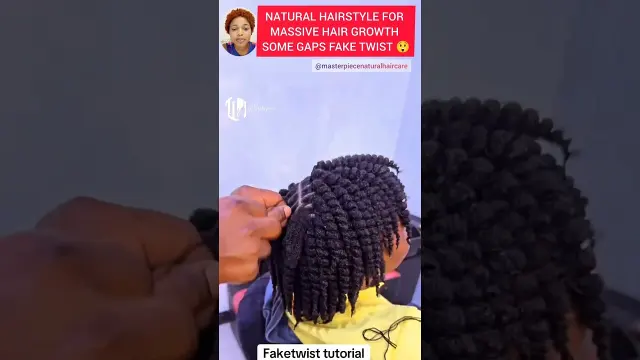
 Affordable fake twist protective natural hairstyle
#Protective Hairstyles
1 ideas
Affordable fake twist protective natural hairstyle
Get new #Protective Hairstyles ideas by email
Every Thursday: the week's best ideas, with the newest from #Protective Hairstyles.
Related tags
Protective Hairstyles: A Beginner's Guide to Healthy Hair
Protective hairstyles are styles that tuck the ends of your hair away and keep it from being handled every day. The reasoning behind them is straightforward: hair that is combed, brushed, restyled and exposed to the weather less often tends to keep its length and its condition. Ends are the oldest part of the hair and the first to break, so putting them out of reach — braided, twisted, wrapped or covered — gives them a rest.
Where the idea comes from
Braiding and twisting hair is an old craft in many parts of Africa, and those techniques travelled with people across the world, becoming both everyday practice and, over time, a form of fashion and identity. Cornrows, flat twists and locs all carry long histories. What looks like a simple style usually rests on a technique someone was taught and passed on.
The main kinds
Read more
- Braids: three-strand braiding, from loose single braids to neat box braids parted in sections, with natural hair or added hair.
- Twists: two-strand twists, flat twists against the scalp, rope twists.
- Cornrows: braids worked close to the scalp in lines and patterns.
- Locs: hair left to mat and lock, in many sizes and lengths.
- Bantu knots, wraps and scarves: hair coiled or covered, shielded from friction and dry air.
- Wigs and weaves: the natural hair braided flat underneath while the visible hair is something else.
What to know before you start
Tension matters most. A style should feel snug, never painful — if your scalp aches or the skin at your hairline is pulled tight, the style is too tight and should be loosened or redone. Take particular care with the delicate hair around the edges of your face.
Your scalp still needs attention while it is styled. Cleanse it gently, keep it moisturised, and do not treat a protective style as a holiday from looking after your hair. At night, cover your hair with a soft cloth, a satin scarf or a bonnet, so the style does not rub against a cotton pillow.
Keeping it kind to your hair
Leave a style in for a matter of weeks rather than months, and take it down once it looks fuzzy, feels heavy or starts to pull. Detangle gently with your fingers and plenty of conditioner rather than ripping through it. After takedown, give your hair some days of loose, low-manipulation wear before installing the next style, and keep up with trims.
Not every style suits every head of hair. Fine hair, fragile edges and a sensitive scalp all call for lighter, looser versions. Used with patience, protective styling is less a look than a habit: a way of handling your hair less so it can grow without interference.
#Protective Hairstyles: frequently asked questions
What actually makes a hairstyle "protective"?
It comes down to putting the oldest, most fragile part of your hair — the ends — out of the way, whether that is by braiding, twisting, wrapping or covering. Because the hair is handled, brushed and exposed to weather far less often, it keeps more of its length and condition over time. The point is not the look itself but the reduction in daily friction and manipulation.
How do I choose between braids, twists, cornrows, locs or a wrap?
Start from your own hair rather than from a photo: fine hair, fragile edges and a sensitive scalp usually do better with lighter, looser versions of any style. Braids and cornrows give structure and hold, twists are gentler on the scalp, while wraps, scarves, wigs and weaves shield the hair with the least pulling. Many people rotate between them so the hair is not stressed the same way each time.
How tight should a protective style feel?
It should feel snug and secure, never painful — aching, throbbing or visibly pulled skin at the hairline means it is too tight and should be loosened or redone. The fine hair around your face is the most delicate and deserves the most caution. It is worth speaking up rather than enduring a style, because tension damage is slow and hard to undo.
How should I look after my scalp while my hair is styled?
A protective style is not a break from hair care — the scalp still needs gentle cleansing and regular moisturising while it is covered by braids or twists. At night, tie the hair in a soft cloth, satin scarf or bonnet so it does not rub against a cotton pillowcase. Keeping the scalp comfortable is what lets the style stay in without irritation.
How long can I leave a style in, and how should I take it down?
Think in weeks rather than months, and take it out as soon as it looks fuzzy, feels heavy or begins to pull. Work through it gently with your fingers and plenty of conditioner instead of ripping or combing dry. Afterwards, give your hair some days of loose, low-manipulation wear and keep up with trims before starting the next style.
What are the most common mistakes people make with protective styling?
The usual ones are installing a style too tightly, leaving it in far longer than intended, and skipping scalp care because the hair is "put away". Another is moving straight from one style into the next with no recovery time in between. Used patiently and in rotation, protective styling works less as a single look than as an ongoing habit.
Videos come from YouTube and posts from Instagram; titles and summaries are our own. All rights belong to their creators.