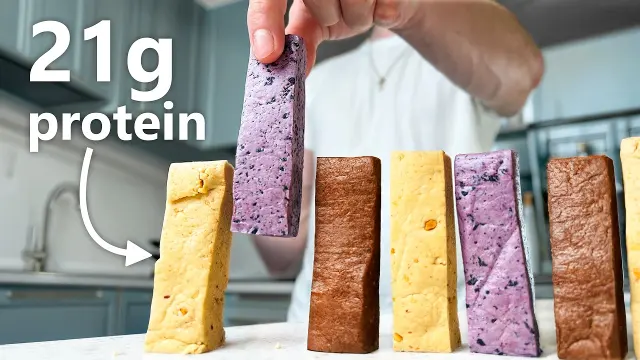
 Simple Homemade High-Protein Bars
#Protein Bars
5 ideas
Simple Homemade High-Protein Bars
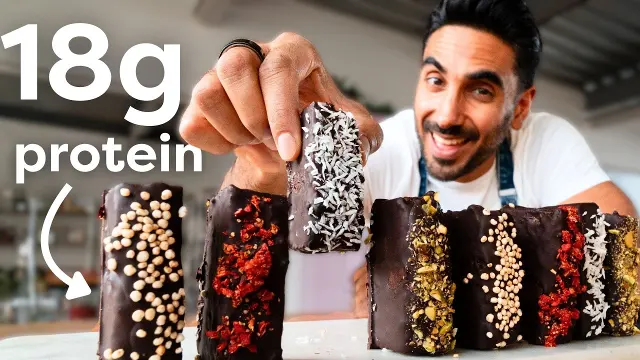 Whole Food Anti-Inflammatory Protein Bars
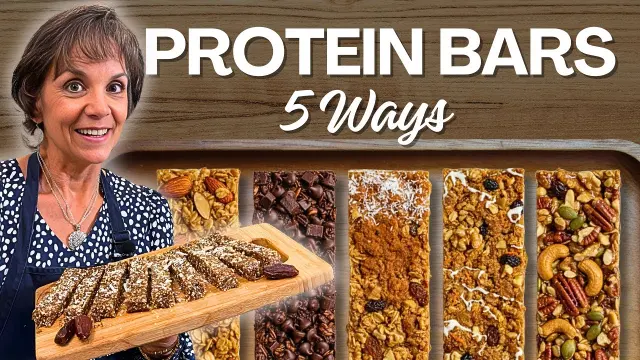 Five Easy No-Bake Protein and Date Bars
 Nostalgic Strawberry Milk Marshmallow Protein Bars
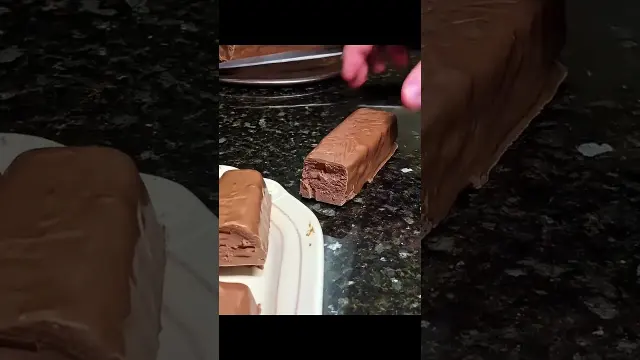 Flourless Homemade Chocolate Protein Bars Recipe
Get new #Protein Bars ideas by email
Every Thursday: the week's best ideas, with the newest from #Protein Bars.
Related tags
Protein Bars: A Simple Guide to Homemade and Store-Bought
Protein bars are compact snacks made to provide a concentrated amount of protein in a convenient form. They are often used between meals, before or after activity, or as a practical option when you need something portable and filling. You can buy them ready-made or make them at home with ingredients like oats, nut butter, seeds, dried fruit, protein powder, and sweeteners.
What protein bars are for
At their simplest, a protein bar is a snack designed to be more substantial than a sweet bar or cereal bar. The protein helps make it more satisfying, while the other ingredients add texture, sweetness, and structure. Many people choose them for busy days, travel, work, or days when a full meal is not practical.
Protein bars can vary a lot. Some are soft and chewy, others are dense and fudgy, and some are crisp or coated in chocolate. The ingredient list often tells you a lot about the style of bar: dates and nuts usually mean a more natural, sticky texture, while cereals, syrups, or protein powders can create a lighter or more processed feel.
Read more
Common kinds and ingredients
There are many ways to make protein bars, but most fall into a few broad types:
- No-bake bars: usually made by mixing dry ingredients with a sticky binder, then chilling until firm.
- Baked bars: made more like a soft snack cake or bar, then cut into portions.
- Homemade energy-style bars: often based on oats, nuts, seeds, and dried fruit, with added protein.
- Store-bought bars: usually formulated for shelf stability and consistent texture.
Common ingredients include nut butters, oats, dates, honey or other syrups, protein powder, cocoa, seeds, dried fruit, and sometimes chocolate or yogurt coatings. Some bars are designed to be more dessert-like, while others are plain and simple.
What to know before you choose or make them
If you are buying protein bars, read the ingredient list carefully. Some are closer to candy bars than snacks, so it helps to look at the balance of protein, sugar, fat, and fiber. The best choice depends on what you want the bar to do: keep you going for a while, replace a small snack, or satisfy a sweet craving in a more filling way.
If you are making them at home, start with a simple formula:
- a dry base such as oats, nuts, or protein powder
- a sticky binder such as nut butter, dates, or syrup
- extra flavor from cocoa, vanilla, cinnamon, dried fruit, or seeds
Practical tips for beginners
Begin with a small batch so you can adjust the texture. If the mixture is too dry, add more binder. If it is too soft, add more dry ingredients or chill it longer. Press the mixture firmly into the pan so the bars hold together well when cut.
For the best result, let homemade bars rest before slicing. Store them in an airtight container, and keep chilled if the ingredients are soft or perishable. If you want a bar that travels well, choose a firmer recipe with fewer fresh ingredients.
Protein bars can be a useful everyday snack, especially when you make or choose them with simple ingredients and a texture you genuinely enjoy.
Videos come from YouTube and posts from Instagram; titles and summaries are our own. All rights belong to their creators.