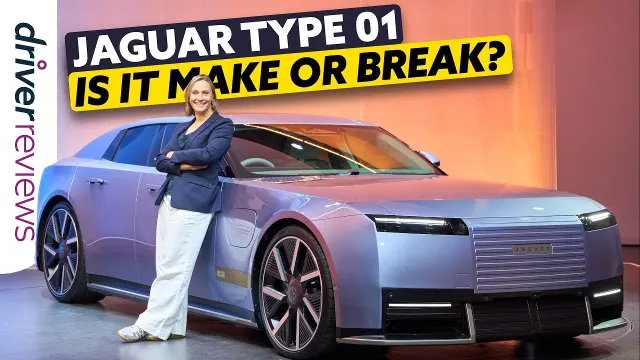
 Jaguar Type 01 First Drive: 1,030 hp Electric Prototype
#Prototype Drive
1 ideas
Jaguar Type 01 First Drive: 1,030 hp Electric Prototype
Get new #Prototype Drive ideas by email
Every Thursday: the week's best ideas, with the newest from #Prototype Drive.
Related tags
What Is a Prototype Drive? Cars Tested Before Launch
Every new model spends years hidden from the public. Before the press photos and showroom floors, there is a long stretch in which cars exist only as test mules, development hacks and hand-built prototypes. A prototype drive is the moment journalists are allowed behind the wheel of one of those early cars — usually in camouflage, on a closed track or a carefully chosen road, with the people who built it sitting alongside.
What the term actually covers
The phrase gets used loosely, so it helps to know the shades of meaning. A test mule is an existing car carrying future mechanicals under a rough approximation of the eventual body. A development prototype is closer to the finished shape, but built by hand and fitted with provisional parts. A pre-production car rolls off the real assembly line and is nearly saleable. All three can be handed to a journalist, and each comes with a different level of finish, which is why a write-up usually states clearly what stage the car was at.
Why the cars look unfinished
Read more
Camouflage is not decoration. Swirling black-and-white foils and padded covers blur the lines, panels and proportions that a manufacturer wants to keep private until launch, and they make it much harder for rival studios to read the design from a photograph. The disguise often hides lights, grilles and interior surfaces too. When you see a prototype stripped of its camouflage, it generally means the design is settled and the company is ready to talk about it.
The point of letting someone drive it
Manufacturers use prototype drives for feedback as much as publicity. Engineers want to hear which controls feel unnatural, which noises stand out, whether the seats hold up on a long run. Reactions from people who drive many different cars are useful precisely because they are comparative. For the reader, the value is a genuine early impression — often more candid than a launch report, because nothing has been finalised and nobody is pretending otherwise.
How to read a prototype review
Look for the caveats. A provisional suspension, unfinished software, a bodyshell that has not yet been through its final stiffness work: all of these can change the verdict, and good coverage says so plainly. Pay attention to what the writer could actually assess — visibility, control layout, the feel of the fundamentals — and treat predictions about price, efficiency or final performance with caution, since those numbers are usually still moving targets.
What beginners should take away
A prototype drive is not a verdict on a car; it is a snapshot of a car mid-thought. It tells you what a manufacturer considers important, how far along the engineering is, and what the finished product is likely to feel like. Read it as an early conversation rather than a review, and you will get much more out of it.
#Prototype Drive: frequently asked questions
What actually happens on a prototype drive?
A journalist is handed an early, hand-built car — often still disguised — and allowed to drive it briefly on a closed track or a road chosen by the manufacturer, with an engineer or development driver alongside. The point is an early impression rather than a full road test, because the car is not finished and nobody claims otherwise. It is best read as a snapshot taken mid-development.
Why are prototype cars covered in swirly camouflage?
The wraps and padded covers are there to break up the lines, panels and proportions so rival designers cannot read the final shape from a photograph. The disguise usually conceals lights, grilles and interior details as well. Once a car appears without camouflage, the design is normally settled and the company is ready to talk about it openly.
How do I know what stage the car is at?
Writers usually say so, because the terms mean different things: a test mule is an existing car carrying future mechanicals under a rough stand-in body, a development prototype is closer to the finished shape but hand-built with provisional parts, and a pre-production car comes off the real line and is nearly saleable. Each gives a different level of finish, so the label tells you how much to trust what you are reading. If a piece does not make the stage clear, treat the impressions as provisional.
Why would a manufacturer let someone drive an unfinished car?
Feedback matters as much as publicity. Engineers want to hear which controls feel unnatural, which noises stand out and whether the seats hold up over a long run, and the reactions of people who drive many different cars are useful precisely because they are comparative. For the reader the payoff is a candid early impression, often franker than a launch report because nothing has been signed off.
What should I look out for when reading a prototype review?
Look for the caveats first — provisional suspension, unfinished software, a body that has not had its final stiffness work can all change the verdict, and honest coverage says so. Focus on what the writer could genuinely assess, such as visibility, control layout and the feel of the fundamentals. Treat forecasts about price, efficiency or final performance with caution, since those are still moving targets.
What is the most common mistake people make with these articles?
Taking them as a verdict. A prototype drive tells you what a manufacturer considers important, how far along the engineering is and what the finished car is likely to feel like — not how good it will be when it reaches a showroom. Read it as an early conversation and you will get far more from it.
Videos come from YouTube and posts from Instagram; titles and summaries are our own. All rights belong to their creators.