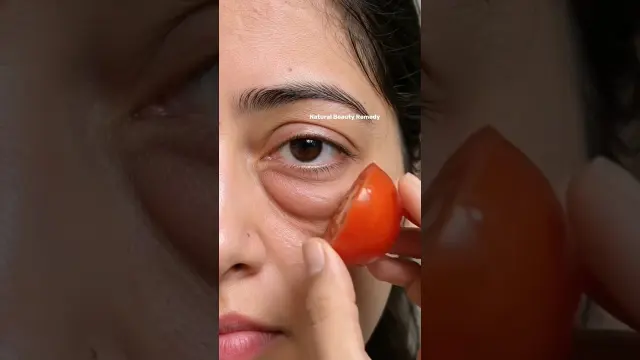
 Simple Natural Routine to Soothe Puffy Eyes and Refresh Your Look
#Puffy Eyes
1 ideas
Simple Natural Routine to Soothe Puffy Eyes and Refresh Your Look
Get new #Puffy Eyes ideas by email
Every Thursday: the week's best ideas, with the newest from #Puffy Eyes.
Related tags
Puffy Eyes: Why They Happen and How to Soothe Them
Puffy eyes are one of those small things that can make you feel tired before the day has even started. The skin around the eyes is the thinnest on the body, and the tissue beneath it holds fluid easily. When that fluid gathers, or when that delicate skin becomes irritated, the area looks swollen and heavy. It is very common, usually harmless, and often settles on its own within a few hours.
What is actually happening
Under each eye sits a small pad of fat that cushions the eyeball, held in place by a thin membrane. With age, that membrane loosens and the pad shifts forward slightly, which can give a lasting fullness. Separately, fluid can collect in the same area overnight, especially when you lie flat, and this kind of puffiness usually fades during the morning as you move around. Dark shadows often come along for the ride, simply because the skin there is thin enough to show what lies beneath it.
The everyday causes
Read more
Most puffiness comes from ordinary things rather than anything worrying:
- Sleeping flat, or too little, so fluid pools and circulation slows
- Salty meals and alcohol in the evening, which encourage the body to hold water
- Crying, which temporarily swells the tissue around the eyes
- Allergies and hay fever, where rubbing makes everything worse
- Rubbing your eyes out of tiredness or habit
- Smoke, dry air and long stretches in front of screens
- Hormonal shifts and, over time, the natural changes that come with getting older
Simple ways to soothe them
Cold is your most reliable friend. A cool compress, a spoon kept in the fridge for a few minutes, or a cloth wrung out in cold water, held gently over closed eyes for a short while, encourages the swelling to settle. Keep the pressure light; the skin here bruises easily.
Sleeping with your head slightly raised helps fluid drain rather than gather. Drink water steadily through the day, and go a little easier on salt and alcohol in the evening if you notice a pattern. If allergies are behind it, avoiding the trigger matters more than any remedy applied afterwards.
Gentle habits that help over time
Try not to rub. Dab rather than drag when you cleanse, and use a light moisturiser to keep the skin comfortable. Some people find chilled gel patches or a cooled eye cream pleasant in the morning, partly because the cold itself does the work. Concealer applied in a thin layer, patted rather than swept, softens the look without emphasising texture.
When to ask someone
Puffiness that is one-sided, painful, itchy, or that comes with redness, discharge or changes in your vision is worth having checked by a doctor rather than managed at home. Persistent swelling that never settles deserves the same.
Most of the time, though, puffy eyes are simply a sign that you are tired, that last night's dinner was salty, or that it is morning. A little cold, a little patience, and a few kind habits go a long way.
#Puffy Eyes: frequently asked questions
How can I calm puffy eyes quickly in the morning?
Cold is the most dependable trick: a chilled spoon, a cool cloth, or a gel patch held gently over closed eyes for a short while helps the swelling settle. Keep the pressure light, since the skin there marks and bruises easily. Sleeping with your head slightly raised also lets fluid drain instead of pooling overnight.
What usually causes puffy eyes in the first place?
Most of the time it comes down to ordinary habits — lying flat or sleeping too little, salty food or alcohol the night before, crying, allergies, or simply rubbing your eyes out of tiredness. Smoke, dry air and long hours at a screen add to it. The skin around the eyes is the thinnest on the body and holds fluid easily, which is why it shows up there first.
Should I use a cold compress or chilled gel patches?
Either works, because the cold itself is what does the soothing — the patch is mainly a convenient way to hold something cool against the skin. Pick whichever you'll actually use consistently, whether that's a spoon from the fridge, a wrung-out cloth, or a patch kept chilled. What matters more is keeping the touch gentle and not pressing hard.
How do I apply eye cream and concealer so puffiness doesn't look worse?
Dab rather than drag, and keep the layer thin — heavy product tends to collect in the creases and emphasise texture. A light moisturiser keeps the skin comfortable, and concealer patted on softly softens the look without drawing attention to the area. Avoid sweeping motions, which tug at delicate skin.
What common mistakes make puffy eyes worse?
Rubbing is the biggest one, whether from tiredness, itchiness or habit — it irritates the tissue and makes everything look heavier. Applying products with a firm hand and going to bed after a salty, late meal both work against you too. If allergies are behind the puffiness, chasing the trigger matters far more than any remedy you put on afterwards.
How do I build a simple routine around puffy eyes?
Keep cleansing gentle, follow with a light moisturiser, and make a cool compress part of your morning rather than an occasional rescue. Drinking water steadily through the day and easing off salt and alcohol in the evening helps if you notice a pattern. Consistency with small habits does more than any single product.
Videos come from YouTube and posts from Instagram; titles and summaries are our own. All rights belong to their creators.