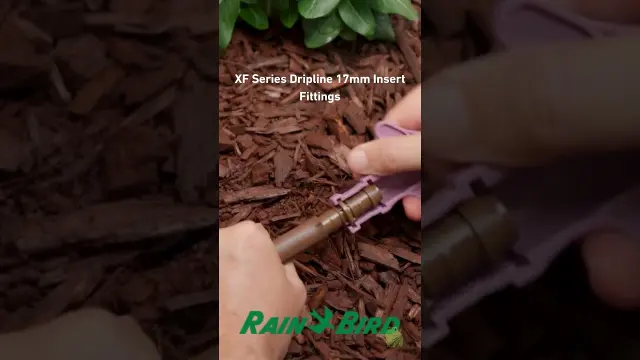
 Essential Rain Bird Drip Line Components and Setup
#Rain Bird
1 ideas
Essential Rain Bird Drip Line Components and Setup
Get new #Rain Bird ideas by email
Every Thursday: the week's best ideas, with the newest from #Rain Bird.
Related tags
Rain Bird Irrigation Systems: A Practical Beginner's Guide
Rain Bird is one of the names that comes up again and again once you start looking at garden watering seriously. It is an American manufacturer of irrigation equipment, and its range has grown over the decades from simple sprinklers into a whole family of products: pop-up spray heads, rotor heads, drip line and emitters, valves, filters, controllers and timers. What ties them together is the idea that a garden should be watered deliberately — by a system you set up and adjust — rather than by dragging a hose around and hoping for the best.
What the equipment actually does
At its simplest, an irrigation system is plumbing arranged for plants. Water leaves a tap or a supply line, passes through a valve, and is delivered either sprayed into the air or dripped slowly onto the soil. Rain Bird's catalogue is essentially a set of parts for building that arrangement in whatever shape your plot demands.
- Spray and rotor heads: mounted in the ground, they pop up when water flows and spray over a defined arc. Sprays suit small, tight areas; rotors throw water further and turn slowly, which gives large lawns more even coverage.
- Drip line and emitters: tubing that delivers water drop by drop to the root zone. Ideal for beds, hedges, vegetables and pots, and the gentlest option where you want to keep foliage dry.
- Valves and controllers: a valve opens and closes a zone of the system; a controller or timer tells it when. Simple battery timers are enough for a few zones, while multi-station controllers let you water different areas on different schedules.
Read more
What beginners should know
The single most common mistake is mixing parts that were not designed to work together. Sprinkler heads placed on the same zone should have a matched precipitation rate, meaning they put down roughly the same depth of water in the same time; otherwise one patch is drowned while another stays dry. Coverage should overlap head to head, so each plant is reached by more than one head. Check your water pressure and flow before buying anything — a system that asks for more water than your supply delivers will perform poorly no matter how good the parts are.
Plan on paper first. Sketch the garden, mark the tap, and group plants with similar thirst into zones: lawn here, shrubs there, vegetables somewhere else.
Everyday habits that make a difference
- Water deeply and less often rather than lightly and daily; shallow watering encourages shallow roots.
- Early morning is the kindest time, when evaporation is low and leaves dry off during the day.
- Walk the system monthly. Look for tilted heads, blocked nozzles, geysers where a head has broken, and soggy patches that hint at a leak.
- Adjust rather than replace: many heads can be turned, tilted or fitted with a different nozzle.
- Before winter, drain lines and shut off the supply where freezing is possible, and clean or swap filters.
Set up thoughtfully and check it now and then, and an irrigation system quietly becomes one of the most useful things in the garden.
#Rain Bird: frequently asked questions
How do I get started with a Rain Bird watering setup?
Start on paper: sketch the garden, mark where the tap or supply line sits, and group plants with similar water needs into separate zones such as lawn, beds and vegetables. Before buying anything, check what your water pressure and flow can actually deliver, then choose parts that match that budget rather than the other way round.
What do I need to build a drip line?
A basic drip setup needs flexible tubing run along the beds, emitters or inline drip line to release the water, and a filter plus a pressure regulator so grit and high pressure don't damage the small openings. Add a valve and a timer to control when it runs, and a flush cap at the end so you can clear the line now and then.
Which is better, spray heads or rotor heads?
Spray heads are the better fit for small, tight areas and narrow planting strips, while rotors throw water much further and turn slowly, which suits larger lawns that need even coverage. The key rule is not to mix the two types on the same zone unless their output is matched, or one area will be overwatered while another stays dry.
How often should I run the system?
Water deeply and less often rather than giving a light sprinkle every day, because shallow watering trains roots to stay near the surface. Early morning is the kindest window, since evaporation is low and any wet foliage dries off during the day instead of sitting damp overnight.
What upkeep does an irrigation system need?
Walk the system about once a month and look for tilted heads, clogged nozzles, water spouting where a head has broken, and soggy patches that point to a leak. Clean or swap the filters regularly, and where freezing is possible, drain the lines and shut off the supply before winter.
What mistakes do beginners make most often?
The classic one is combining parts that were never designed to work together, so a zone delivers wildly different amounts of water across the same area. The others are skipping head-to-head overlap so some plants never get reached, and buying a system that demands more water than the household supply can provide.
Videos come from YouTube and posts from Instagram; titles and summaries are our own. All rights belong to their creators.