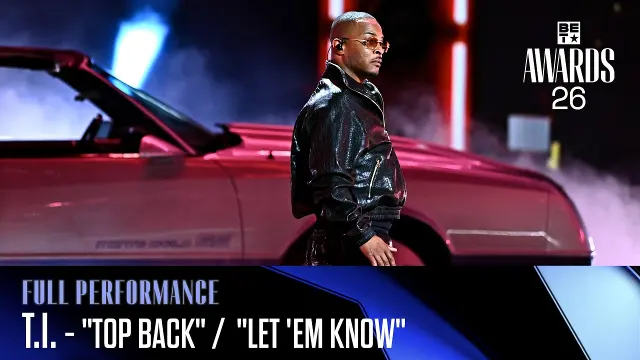
 T.I. Brings Southern Hip Hop Classics to the BET Awards Stage
#Rap
1 ideas
T.I. Brings Southern Hip Hop Classics to the BET Awards Stage
Get new #Rap ideas by email
Every Thursday: the week's best ideas, with the newest from #Rap.
Related tags
Rap: A Beginner's Guide to the Art of Rhyme
Rap is a form of vocal performance in which a speaker delivers rhythmic, rhymed or unrhymed language over a beat. It is one of the core elements of hip hop culture, alongside DJing, graffiti and dance, and today it is one of the most widely practised and listened-to forms of popular music in the world. Its appeal is simple to describe and hard to master: a voice, a rhythm and a story.
Where it comes from
Rap grew out of neighbourhood parties in New York City, where DJs played and looped the percussion-heavy sections of records while a host or MC spoke over the music to keep the crowd moving. That role — part announcer, part entertainer — gradually became the main event. The form also draws on much older traditions of spoken rhythm: West African praise poetry, the rhyming toasts of the Caribbean, and the verbal games that children play in streets everywhere. What rap did was put those traditions on a beat and make them a recorded art.
What a verse is made of
Read more
A rapper writes in bars — short units of text that correspond roughly to one pass of the beat — and groups them into verses separated by a hook or chorus. Three things hold a verse together. Rhythm, often called flow, is where the words land relative to the drums; the same sentence can feel laid-back, urgent or jagged depending on placement. Rhyme is the pattern of matching sounds, from simple end-rhymes to internal rhymes woven through the middle of a line. Content is what the words are actually about — a story, an argument, a portrait of a place or a mood.
Main styles and techniques
Approaches vary enormously. Some rappers favour dense, fast, technically intricate delivery; others prize clarity, space and melody. Storytelling rap follows a narrative from beginning to end. Conscious rap turns toward social observation and commentary. Freestyling means improvising verses on the spot, sometimes over an unfamiliar beat. Battle rap is a competitive format in which two performers trade verses in front of an audience, judged on wit, rhyme and delivery. Singing and rapping often blend, and the boundary between them has always been loose.
Advice for beginners
Start with the beat. Practise speaking in time before you try to be clever: clap or count along until the pulse feels automatic. Write more than you need and cut hard. Record yourself often — hearing your own voice played back is uncomfortable at first and is the fastest way to improve. Read your verses aloud to catch lines that look fine on paper and stumble in the mouth. Study the artists you admire by writing out their verses by hand; the patterns become visible.
Listen widely, stay curious about language, and remember that the strongest rap is usually the clearest: a listener should be able to follow you even through the fastest passage.
#Rap: frequently asked questions
How do I start rapping if I've never written a verse before?
Begin with rhythm rather than words: pick a beat you like and count or clap along until the pulse feels natural, then speak simple sentences in time with it. Once you can stay locked to the beat without thinking about it, start writing short bars and reading them aloud so your ear catches what sounds clumsy. Recording yourself early, even badly, shortens the learning curve more than any amount of silent practice.
What do I actually need to begin writing and performing rap?
A beat to work over, something to write with, and a way to hear yourself back are the real essentials — a phone's recorder is enough to start. A notebook or a notes app helps because most verses improve through repeated rewriting rather than a single inspired pass. Everything else, from better equipment to a stage, becomes useful only after the habit of writing and recording is already in place.
Which style of rap should I focus on first?
Start with whatever you naturally listen to, since imitation is how most people find their own voice, then deliberately try something outside it. Storytelling, freestyling, battle formats and dense technical delivery each train a different skill, so rotating between them early is more useful than committing to one. Style is usually something you discover by writing a lot, not something you pick in advance.
What are the mistakes beginners make most often?
The common ones are cramming too many words into a bar, burying the meaning under complicated rhyme, and never listening back to what was recorded. Lines that look clever on paper often stumble in the mouth, so reading verses aloud is not optional. Another frequent error is imitating a delivery you cannot yet control instead of developing the clarity that makes any tempo legible.
How can I keep improving once I can hold a beat?
Write more than you need and cut hard, treating revision as the actual work rather than a cleanup step. Hand-copying verses by artists you admire makes their patterns visible in a way listening alone does not. Keep recording and keep widening what you listen to, because curiosity about language is what keeps the writing from flattening.
Can rap be used for a specific occasion, like a wedding or a family celebration?
Yes — a short written verse works well as a toast, a dedication or a personal gift, and it does not need to be improvised. Keep it brief, keep it clear, and make sure the rhythm can be followed by people hearing it once, in a noisy room, without a lyric sheet. Writing about the people present rather than reaching for a generic party style usually lands far better.
Videos come from YouTube and posts from Instagram; titles and summaries are our own. All rights belong to their creators.