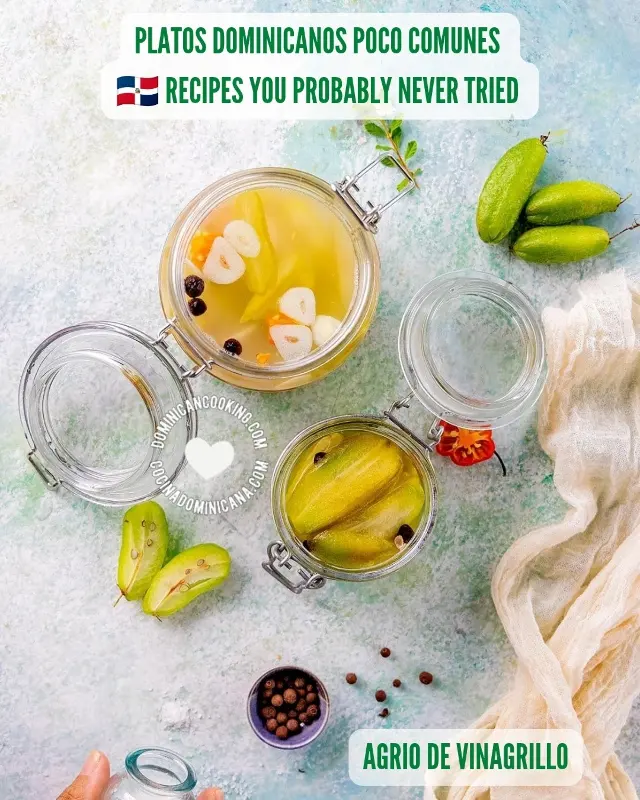
 Twenty lesser-known Dominican dishes to try beyond tostones and sancocho
#Recipe Collection
1 ideas
Twenty lesser-known Dominican dishes to try beyond tostones and sancocho
Get new #Recipe Collection ideas by email
Every Thursday: the week's best ideas, with the newest from #Recipe Collection.
Related tags
Recipe Collection: How to Gather, Organise and Keep Recipes
A recipe collection is exactly what it sounds like: a body of recipes gathered over time by one person, a family or a household, kept together because those dishes are worth returning to. It differs from a cookbook in that nobody else decides what goes in it. The collection grows by choice, one clipped page, handwritten card or saved link at a time, and it ends up reflecting the way a particular kitchen actually cooks.
Collections have a long history. Before printed cookbooks were common, household recipes travelled in handwritten notebooks, passed between friends and relatives and added to across generations. Many families still keep such a notebook, with pages in several different hands and ingredients noted in shorthand that only the family understands. The habit survived the arrival of printed books, magazines and cooking shows, and it survived the internet too; people simply collect from more places now.
What people collect
Most collections are a mixture. There are the everyday dishes cooked often enough that the recipe becomes a reminder rather than an instruction. There are the celebration dishes reserved for holidays and birthdays. There are the experiments: something tried once, liked, and written down before it is forgotten. And there are the inherited ones, which may be more valuable for who wrote them than for what they say.
Read more
Ways to keep a collection
The three broad approaches are paper, digital and a combination of both. Paper collections include bound notebooks, index cards in a box, folders of magazine cuttings and ring binders with plastic sleeves. They are pleasant to handle and impossible to lose to a change of software. Digital collections include documents, note-taking apps, saved links and photographs of handwritten cards, which are searchable and easy to back up but depend on files staying readable. Many cooks keep a paper core of recipes they use constantly and a digital layer of things they mean to try.
Starting one
Begin with what you already cook. Write down the dishes you make without thinking, because those are the ones that would be genuinely lost if you stopped making them. Ask relatives for their versions and record them while you still can, including the details they consider too obvious to mention, such as pan size, heat level and how the dish should look when it is done. Note where a recipe came from and when you first cooked it; a collection without that context becomes a pile of instructions with no story.
Practical habits
Write in a form you can actually read at the stove, which usually means short steps and clear quantities. Test a recipe before filing it, then mark what you changed. Keep an index, whether a table of contents or a simple list, or the collection will quietly become unusable. Review it occasionally and remove what you never cook; a smaller collection you trust is more useful than a large one you have to sift through.
#Recipe Collection: frequently asked questions
How do I start a recipe collection from scratch?
Start with the dishes you already cook without thinking about them, since those are the ones that would truly be lost if you stopped making them. Ask relatives to walk you through their versions and write them down while you still can, including the details they consider too obvious to mention, like pan size, heat level and how the finished dish should look. Add where each recipe came from and when you first made it, so the collection keeps its story instead of turning into a pile of instructions.
Should I keep my recipes on paper or digitally?
Either works, and plenty of cooks use both: paper for the handful of dishes they cook constantly, digital for the things they mean to try. Paper is pleasant to handle and can't be lost to a change of software, while digital files are searchable and easy to back up but depend on staying readable. Choose based on how you actually cook rather than on which sounds tidier.
What makes a recipe worth adding to a collection?
Anything you would genuinely miss cooking counts, whether it is an everyday staple, a holiday dish, or an experiment you liked enough to write down before forgetting it. Inherited recipes often earn their place as much for who wrote them as for what they say. The test is simple: would you want this dish back if the card disappeared?
How do I record a family recipe so it's actually usable later?
Write it the way you'd read it at the stove, with short steps and clear quantities, rather than in the shorthand the original cook used. Capture the unwritten parts too, such as how the mixture should look at each stage or how the pan should sound. Note who gave it to you and any variations you've made since, because that context is what makes it yours.
How do I stop a collection from becoming a mess I never open?
Keep an index of some kind, whether a table of contents or a simple running list, so you can find things without flipping through everything. Test a recipe before filing it and mark what you changed, so you don't repeat mistakes. Go through the collection now and then and remove what you never cook; a smaller set you trust beats a large one you have to sift through.
What mistakes do people make when building a collection?
The common ones are writing recipes in a form that's hard to follow while cooking and filing dishes that were never actually tested. Another is collecting far more than you'll ever make, which buries the recipes you rely on. Keeping it small, readable and reviewed solves most of it.
Videos come from YouTube and posts from Instagram; titles and summaries are our own. All rights belong to their creators.