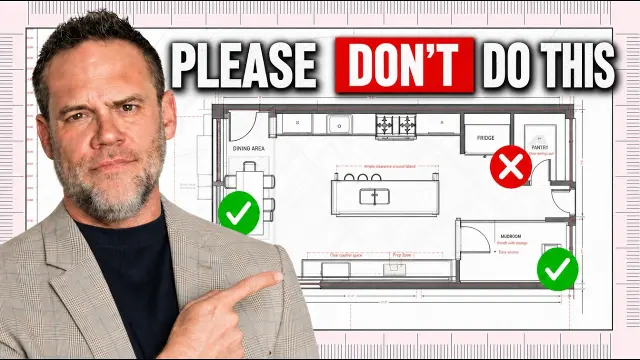
 Seven Kitchen Layout Mistakes That Disrupt Workflow
#Remodeling Tips
1 ideas
Seven Kitchen Layout Mistakes That Disrupt Workflow
Get new #Remodeling Tips ideas by email
Every Thursday: the week's best ideas, with the newest from #Remodeling Tips.
Related tags
Remodeling Tips: A Practical Guide to Renovating Your Home
Remodeling means changing a home rather than merely decorating it. Where redecorating swaps paint, fabric and furniture, a remodel alters the bones of a space: its layout, its walls, its plumbing, wiring and insulation. The word covers everything from rebuilding a single bathroom to reworking the whole ground floor, and the reason people do it is usually practical — a room that no longer fits the way a household actually lives.
The main kinds of project
A cosmetic refresh is the lightest option: new surfaces, fixtures and finishes inside the existing layout. A kitchen or bathroom remodel goes deeper, replacing cabinets, worktops and plumbing points, and is usually the most demanding work a home sees. Layout changes remove or add walls and shift doors and windows, while systems upgrades deal with electricity, water, heating and insulation — invisible work that rarely photographs well but changes daily comfort more than any finish. Additions extend the footprint, and accessibility remodeling widens doorways and adapts bathrooms so a home can serve its residents for longer.
Start with the problem, not the picture
Read more
Before you collect images, write down what the space makes difficult. Where do people collide, wait, or store things on the floor because there is nowhere else? Walk through the rooms at different times of day and note what bothers you. A clear brief — the friction points plus what you want the room to do — will guide every later decision and keep you from spending on things that only look good in photographs.
Budget honestly
Set your total figure first, then reserve a meaningful share of it as a contingency for what is hidden behind walls. A budget should include the less glamorous items: permits, delivery, disposal of old materials, temporary arrangements while the kitchen is out of use, and the small finishing details that add up. Decide early which two or three elements matter most to you, because that is where the money should go, and be prepared to economise elsewhere.
The order of work
Most projects follow a similar rhythm: design and drawings, permits, demolition, structural work, rough-in of plumbing and electrics, inspections, insulation and wall surfaces, then floors, cabinetry, fixtures and paint, and finally the list of small remaining fixes. Two habits protect this sequence. Choose finishes before demolition begins, so nothing is decided in a hurry, and order items with long delivery times early so the trades are never waiting.
Practical advice for beginners
Take on one room first. Measure carefully and keep every drawing, quote and receipt in one folder. Ask several contractors for written quotes covering the same scope, check that licensing and insurance are in place, and agree in writing how changes will be priced. Never remove a wall without knowing whether it carries a load. Protect floors and furniture, expect dust, and set aside a corner where daily life can continue — a temporary kitchen or a working bathroom makes weeks of work far easier to live with.
Expect the process to be slower and messier than the plan suggests. A calm schedule, clear communication and a little patience carry a project further than any single stylish choice.
#Remodeling Tips: frequently asked questions
How do I know whether my home needs a remodel or just redecorating?
If the complaint is about colour, fabric or furniture, a refresh of surfaces is usually enough. A remodel becomes the answer when the room's bones no longer support how you live — an awkward layout, walls in the wrong place, or plumbing and wiring that can't cope. Start by naming what the space makes difficult rather than what it looks like.
What should I do first when starting a remodeling project?
Write a brief before you look at a single inspiration image: list the friction points, such as where people bump into each other or pile things on the floor, and say what the finished room must do. That brief becomes the filter for every later choice. Take on one room rather than the whole house, and walk through it at different times of day to catch what you'd otherwise miss.
Which type of remodeling project should I choose?
The scope should follow the problem, not the other way around. A cosmetic refresh suits a room that works but feels tired, while kitchens and bathrooms call for deeper work because cabinets, worktops and plumbing points are being replaced. Larger structural changes, systems upgrades, additions and accessibility adaptations are worth it when daily comfort or long-term use is genuinely at stake.
What does a realistic remodeling budget need to cover?
Set the total figure before anything is chosen, then hold back a meaningful portion as a contingency for whatever is hiding behind the walls. Remember the unglamorous costs too — permissions, deliveries, hauling away old materials, and keeping the household running while a kitchen is out of action. Decide which few elements matter most to you and spend there, economising elsewhere.
In what order does the work actually happen?
Design and drawings come first, then permissions, demolition, structural work, and the rough-in of plumbing and electrics before inspections and wall surfaces. Floors, cabinetry, fixtures and paint follow, with a final pass for small remaining fixes. Two habits keep this rhythm intact: settle your finishes before demolition starts, and order anything with a long lead time early.
What mistakes do first-time remodelers usually make?
Choosing finishes mid-demolition, collecting a single verbal estimate, and knocking out a wall without knowing whether it carries a load are the classic ones. Get several written quotes covering identical scope, confirm licensing and insurance, and agree in writing how changes will be priced. Expect dust and delay, protect what stays, and set up a corner where daily life can carry on.
Videos come from YouTube and posts from Instagram; titles and summaries are our own. All rights belong to their creators.