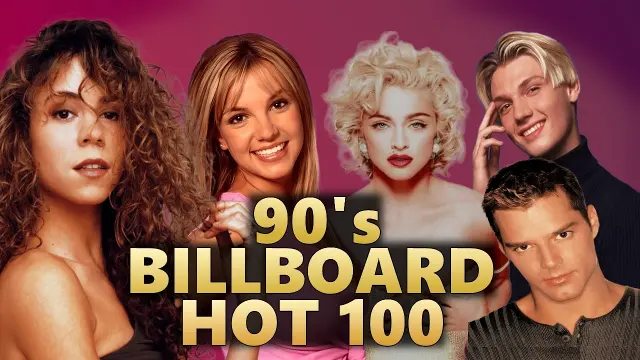
 Best 1990s Billboard Hot 100 Hits and Pop Classics
#Retro Music
1 ideas
Best 1990s Billboard Hot 100 Hits and Pop Classics
Get new #Retro Music ideas by email
Every Thursday: the week's best ideas, with the newest from #Retro Music.
Related tags
Retro Music: A Guide to the Sounds of the Past
Retro music is not one genre but a way of listening. The term gathers the popular music of earlier decades — the songs, styles and sounds that a later generation hears as distinctly of their time — and treats them as something to seek out deliberately rather than simply remember. What counts as retro shifts with the listener: for one person it means the guitar bands and dance tracks of their teenage years, for another the crooners and big bands their grandparents played.
Where the word comes from
"Retro" descends from the Latin prefix meaning backward, and it entered everyday language through design and fashion before it was applied to sound. The idea is simple: a style is retro when it consciously reaches back, keeping the look and feel of an earlier period while being made or enjoyed now. That is why retro music covers both original recordings and new music written in an old idiom.
The main eras and styles
Read more
Most retro listening falls into a few broad territories. There is the pre-rock era of dance bands, swing and vocal harmony; the rock and roll explosion that followed; the guitar-driven pop and soul of the sixties; the singer-songwriter, disco and punk currents of the seventies; the synthesizer pop and early hip hop of the eighties; and the many strands of the nineties, from alternative rock to dance and R&B. Alongside these sit whole traditions that never left — blues, jazz, country, gospel, folk and Latin styles — and which are often rediscovered decades later.
Formats and why they matter
Retro music is closely tied to physical formats: the vinyl record, the cassette tape, the compact disc, and the radio broadcast that first carried a song to most listeners. Each format shapes how the music sounds and how it is heard — the warm surface noise of a record, the hiss of a cassette, the way an album was split into two sides. Collecting these formats is a hobby in its own right, with its own practicalities: storing records upright, keeping tapes away from heat and magnets, cleaning discs before play.
How to start
Begin with a decade rather than a genre, and let curiosity lead. Listen to a handful of well-regarded albums from one period before moving on; context makes more sense in clusters than in isolated songs. Read the credits — producers, session players, songwriters — because the same names recur and open doors to related records. Playlists and compilations are useful maps, but they flatten an era into hits, so follow up with full albums to hear how a record was actually built.
If you collect, buy the music you will play, not the music you think you should own, and check condition carefully before parting with money. Digital archives and reissues make the rarities reachable, while original pressings offer something else: a physical artefact of the moment the music was made.
Above all, retro listening is generous. It asks only that you give old recordings a fair hearing on their own terms, and it rewards that patience with a longer, wider sense of what popular music has been.
#Retro Music: frequently asked questions
How do I start listening to retro music if I know nothing about older songs?
Pick a single era that interests you and explore it in clusters rather than jumping between scattered hits. Listen to a few well-regarded albums from that period before moving on, because styles, producers and session players make far more sense when you hear them side by side. Reading the credits on a record is one of the quickest ways to find your next listen, since the same names keep reappearing.
What do I actually need to play and collect retro music?
You need less than people expect: a working playback setup for whichever format you choose, and a willingness to check condition before buying anything secondhand. A record player, a cassette deck or simply a decent streaming service paired with good speakers will each give you a different experience of the same music. Beyond that, storage matters — records want to stand upright and tapes want to stay away from heat and magnets.
How do I choose which era or style of retro music to explore?
Choose by curiosity rather than by what seems most respected, and start with a period whose sound already appeals to you. Some listeners are drawn to the dance bands and vocal harmony of the pre-rock years, others to the guitar pop and soul that followed, and still others to the synthesizer-driven sounds of later decades. Whole traditions such as blues, jazz, country, gospel and folk also sit alongside these and are worth revisiting on their own terms.
How should I care for vinyl records and cassette tapes?
Store records upright and away from direct sun and heat, and give each one a clean before playing so dust does not work its way into the grooves. Keep cassettes out of hot places and well away from magnets, and let your equipment settle properly rather than rushing a record onto a spinning platter. Handling everything by the edges and keeping sleeves intact protects both the sound and the object.
What are some good ways to use retro music for a party or occasion?
Build the evening around one era instead of mixing everything, so the room gets a coherent mood rather than a random shuffle. Physical formats can become part of the fun, with guests flipping through records or tapes and choosing what plays next. If you are unsure where to begin, start with songs people already recognise from that period and let the deeper cuts follow once the room is warmed up.
What mistakes do people make when getting into retro music?
The most common one is buying records for the collection rather than for listening, which fills shelves with things that never get played. Another is relying only on compilations and playlists, which flatten a whole era into its biggest hits and hide how records were actually put together. Finally, many newcomers skip the condition check on a secondhand purchase and end up with something they cannot enjoy.
Videos come from YouTube and posts from Instagram; titles and summaries are our own. All rights belong to their creators.