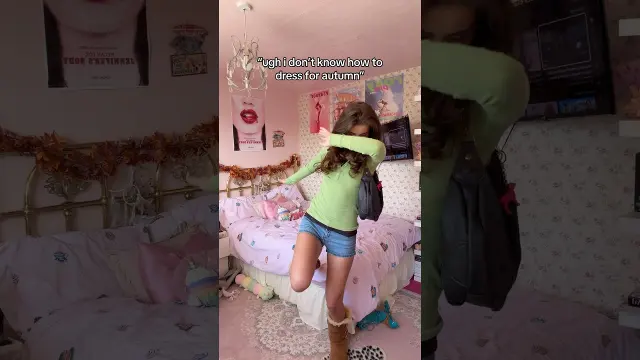
 Fall Outfit Inspiration with Two Thousand Aesthetic
#Retro Style
1 ideas
Fall Outfit Inspiration with Two Thousand Aesthetic
Get new #Retro Style ideas by email
Every Thursday: the week's best ideas, with the newest from #Retro Style.
Related tags
Retro Style: Timeless Vintage-Inspired Dressing
What retro style means
Retro style is a way of dressing and decorating that borrows from the past. The word usually refers to looks inspired by earlier decades rather than original vintage pieces alone. It can mean a full outfit with a strong period feel, or just one or two details that suggest another time. Retro style is popular because it feels expressive, familiar, and a little nostalgic.
Where it comes from
Retro style grows out of fashion history. People have always looked back at earlier eras for inspiration, whether it was the clean lines of the 1950s, the bold shapes of the 1960s, the relaxed mood of the 1970s, or the brighter, more playful silhouettes of later decades. Over time, these influences have been revived again and again in modern clothing, home décor, graphics, and styling.
Read more
Common retro influences
Retro style does not point to just one look. It can be tailored, playful, elegant, or casual depending on the decade you want to echo.
- 1950s-inspired looks often suggest fitted waists, full skirts, neat collars, and polished details.
- 1960s-inspired looks may use simple lines, short hemlines, graphic patterns, and a youthful shape.
- 1970s-inspired looks often include flared trousers, flowing fabrics, earthy colours, and bohemian touches.
- 1980s-inspired looks can bring stronger shoulders, bold accessories, and more dramatic silhouettes.
You do not need to copy a decade exactly. Most retro styling works best when it feels selective rather than costume-like.
How to wear retro style well
A good starting point is to choose one focal piece, such as a skirt shape, a collar, a print, or a pair of shoes, and keep the rest of the outfit simple. This helps the look feel balanced and easy to wear. Mixing retro items with modern basics is often the most practical approach.
- Pair a statement retro piece with plain, well-fitting essentials.
- Keep colours and patterns coordinated so the outfit feels intentional.
- Pay attention to fit, since the right shape matters more than exact vintage accuracy.
- Use accessories to suggest an era without overwhelming the look.
Fabrics, details, and finishing touches
Retro style often relies on details. Buttons, necklines, belts, sunglasses, handbags, and shoes can all give a strong impression of a particular period. Fabrics also matter: crisp cotton, structured knits, denim, corduroy, satin, and soft prints are often associated with different retro moods.
If you want the style to feel authentic, focus on silhouette first, then add details. A simple dress with the right waistline or a pair of trousers with the right cut can say more than many small decorations.
A practical approach for beginners
If you are new to retro style, start small and experiment. Try one decade at a time so you can notice which shapes suit you best. Look for inspiration in old photos, films, and classic clothing cuts, but adapt them to your own routine. The most successful retro looks usually feel personal, comfortable, and easy to move in.
Retro style works because it connects memory with self-expression. You can keep it subtle or make it bold, but the best version always feels like you.
Videos come from YouTube and posts from Instagram; titles and summaries are our own. All rights belong to their creators.