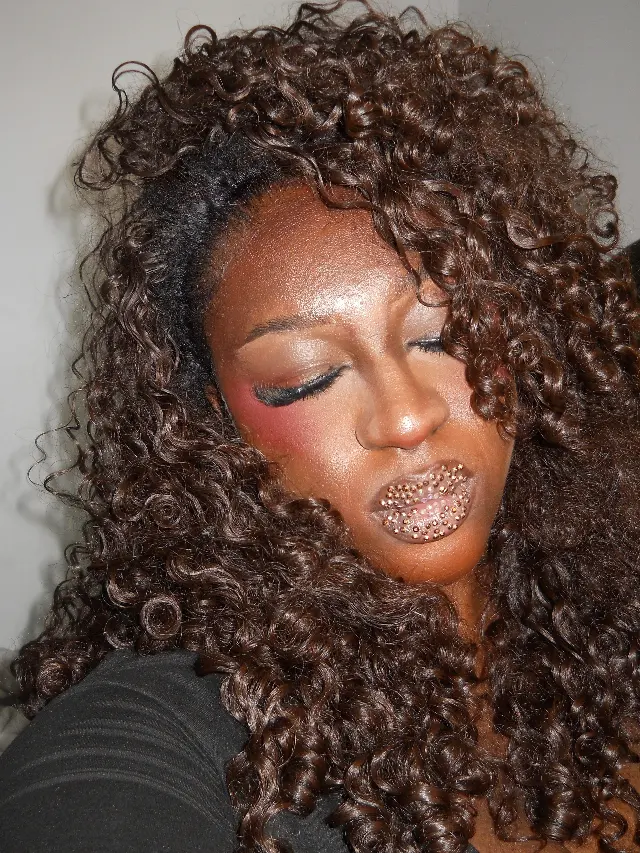
 Rhinestone Lip Combo and Base Makeup Look
#Rhinestone
1 ideas
Rhinestone Lip Combo and Base Makeup Look
Get new #Rhinestone ideas by email
Every Thursday: the week's best ideas, with the newest from #Rhinestone.
Related tags
Rhinestones: A Beginner's Guide to Sparkle
A rhinestone is a small, faceted stone made to imitate a gem — usually from glass or acrylic, with a mirrored foil backing that bounces light back through the facets and gives it that bright, unmistakable glint. The name is generally traced to the river Rhine, where clear quartz pebbles were once polished and set into jewellery in place of precious stones; when glassmakers learned to copy the look convincingly, the imitations kept the name. Today rhinestones are a craft material in their own right, used on clothing, shoes and bags, on accessories and phone cases, in nail art and face make-up, on costumes, dancewear and wedding decoration.
The main kinds
Rhinestones are usually sorted by how they are attached, and that choice matters more than the colour.
- Flat-back: a smooth, foil-backed stone with no holes, glued onto the surface. The most common kind for fabric, nails and hard surfaces.
- Hot-fix: flat-backs with a heat-activated glue layer, applied with a heated tool or an iron. Fast and durable on fabric, but less flexible on curved or heat-sensitive items.
- Sew-on: pierced with holes and stitched down, so they hold on knits, heavy fabrics and anything that will be washed often.
- Claw-set or cup-set: held in a metal setting with prongs, the most secure and the most formal-looking.
Read more
They come in many shapes and sizes, and nail and craft suppliers often quote size in "ss" numbers, where a larger number means a larger stone. Cheap "rhinestones" may be simple sequins or acrylic beads with a coating; real faceted glass with a foil back will always catch the light more sharply.
Techniques for beginners
The basic method is the same everywhere: mark your design, place the stones without glue first to check spacing, then fix them one at a time with tweezers or a wax-tipped pencil. For glue work, a small dot in the centre of the stone is enough; too much glue spreads, dulls the facets and stains fabric. Hot-fix work rewards a firm, even press and a little patience — lift the tool before the glue sets hard.
Plan a border or a repeating motif if you are new to it. Scattered single stones look accidental; rows, outlines and clusters look deliberate. If you want a design to be repeatable, draw it on paper or use a stencil rather than working freehand.
Practical tips
- Wash fabric before decorating, so sizing and dye don't stop the glue from gripping.
- Work on a tray with a raised edge — stones roll, and a dropped one is easily lost.
- Test glue on a hidden seam first; some adhesives darken or stiffen delicate fabrics.
- Seal the finished piece with a thin clear coat on hard surfaces, keeping it off fabric if it would stiffen.
- Wash decorated clothes inside out, by hand or on a gentle cycle, and never tumble dry.
A word on safety
Loose rhinestones are small enough to be a choking hazard, so keep them away from young children and pets, and check that stones on children's clothing are firmly fixed. Use adhesives and heat tools in a ventilated space, and be careful with skin and nail glues, which can irritate sensitive skin and are difficult to remove.
#Rhinestone: frequently asked questions
How do I get started with rhinestones if I've never crafted with them before?
Start with a simple project on a flat, hard-wearing surface or a sturdy fabric, since these are the most forgiving for a first attempt. Choose flat-back stones you can pick up with tweezers or a wax-tipped pencil and glue them one at a time, laying the design out dry first so you can check the spacing. Beginners usually get better results planning a border, row or repeating motif, because scattered single stones tend to look accidental rather than intentional.
Which kind of rhinestone should I choose for my project?
Choose by how the stone will be attached rather than by colour, because that decision affects how long it lasts. Flat-backs work well for hard surfaces, nails and most fabric, hot-fix speeds things up on fabric, sew-on stones suit knits and heavily washed items, and claw-set or cup-set stones give the most secure and formal finish. If the piece will be laundered often or worn hard, pick a stitched or set stone over a glued one.
How do I care for a rhinestone-decorated piece so the stones stay put?
Wash decorated clothing inside out, by hand or on a gentle cycle, and skip the tumble dryer entirely. On hard surfaces, a thin clear sealant coat helps hold the stones and protect the foil backing, though it should be kept off fabric that would stiffen. Check the piece occasionally and re-fix any stone that has started to lift before it works loose and gets lost.
What are the most common mistakes people make with rhinestones?
Using too much glue is the classic error — it spreads under the stone, dulls the facets and can stain fabric, so a small dot in the centre is enough. Another common slip is working freehand on a design meant to be repeated; drawing it on paper or using a stencil keeps the spacing even. Skipping a glue test on a hidden seam also causes trouble, since some adhesives darken or stiffen delicate materials.
How can I use rhinestones for a party or occasion look?
Rhinestones work on clothing, shoes, bags, phone cases, nail art, face make-up, costumes and wedding decoration, so a single accent area is usually enough to carry a look. Build a deliberate shape — an outline, a cluster along an edge, or a repeating line — rather than sprinkling stones at random. If the piece is a costume or something worn close to the face, press each stone down firmly and check it is secure before wearing.
Are rhinestones safe to use around children and pets?
Loose stones are small enough to be a choking hazard, so keep them out of reach of young children and animals while you work. On children's clothing, tug each stone to confirm it is firmly fixed before the garment is worn. Adhesives and heat tools should be used in a ventilated space, and skin and nail glues are best applied carefully since they can irritate sensitive skin and are hard to remove.
Videos come from YouTube and posts from Instagram; titles and summaries are our own. All rights belong to their creators.