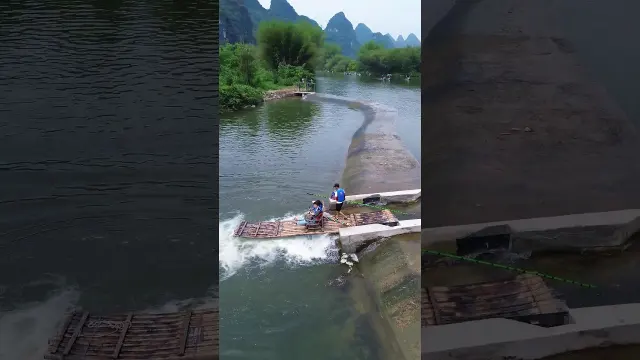
 Bamboo Rafting on the Yulong River in Yangshuo, China
#River
1 ideas
Bamboo Rafting on the Yulong River in Yangshuo, China
Get new #River ideas by email
Every Thursday: the week's best ideas, with the newest from #River.
Related tags
Rivers: Nature, Travel and Everyday Life
Rivers are moving bodies of freshwater that flow from higher ground to lower ground, usually ending in a lake, sea, or another river. They are part of the natural water cycle, shaped over time by rainfall, springs, snowmelt, and the land they pass through. For people, rivers have always been important: they provide water, support wildlife, shape landscapes, and have guided travel, farming, and settlement for centuries.
What makes a river
A river usually has a source, a channel, banks, and a mouth. Along the way, it may form bends, rapids, floodplains, deltas, waterfalls, and tributaries. Some rivers are wide and slow, others narrow and fast. The character of a river depends on the slope of the land, the amount of water, the rocks and soil, and the climate around it.
Rivers often change with the seasons. After heavy rain or snowmelt, they can rise quickly; in drier periods, they may become shallow or slow-moving. Because of this, river landscapes can look very different throughout the year.
Read more
Why rivers matter
Rivers are vital habitats for fish, birds, insects, plants, and many other forms of life. The land near them is often especially rich because moving water carries nutrients and shapes fertile soil. People have used rivers for drinking water, irrigation, transport, fishing, and washing for a very long time. Even today, they remain important for agriculture, nature, and recreation.
They are also beautiful places to visit. River walks, boat rides, picnics, photography, and quiet time outdoors are all common ways to enjoy them. In many cultures, rivers carry symbolic meaning too, often representing movement, life, change, or connection.
Common river experiences and styles
If you are exploring rivers, you may come across different settings:
- Mountain rivers, which are often clear, fast, and rocky
- Forest rivers, which can feel shaded and peaceful
- Wide lowland rivers, which usually move more slowly
- Urban rivers, which flow through towns and cities and may have promenades, bridges, and parks
River activities vary widely. Some people enjoy gentle canoeing, rafting, or boating, while others prefer simple walks along the bank. Bamboo rafts, rowboats, and small sightseeing boats are common in some places, especially where the water is calm.
What to know as a beginner
Rivers can look calm while still being powerful, so it is wise to be careful near the water’s edge. Choose safe paths, watch for slippery stones and steep banks, and pay attention to local signs and weather. Water levels can change faster than you expect.
If you want to photograph a river or spend time by one, early morning and late afternoon often give softer light and a quieter atmosphere. Comfortable shoes, insect protection where needed, and respect for wildlife will make the experience more pleasant.
A simple way to enjoy rivers
You do not need special knowledge to appreciate a river. Start by noticing how the water moves, what the banks are made of, and which plants and birds live nearby. A river is never just a body of water; it is a living landscape, always changing, and always shaped by the world around it.
Videos come from YouTube and posts from Instagram; titles and summaries are our own. All rights belong to their creators.