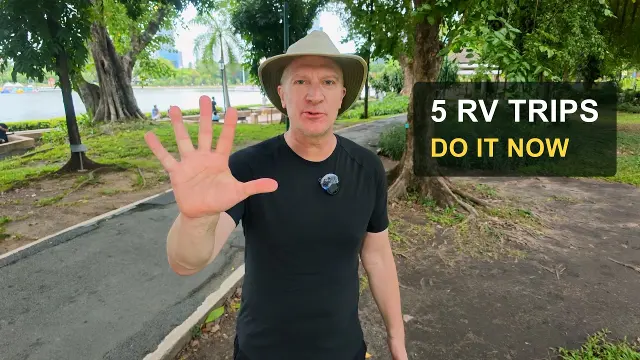
 A Roundup of Five RV Road Trips Worth Planning
#Road Trips
1 ideas
A Roundup of Five RV Road Trips Worth Planning
Get new #Road Trips ideas by email
Every Thursday: the week's best ideas, with the newest from #Road Trips.
Related tags
Road Trips: A Guide to Traveling by Car
A road trip is a journey where the driving is part of the destination. Instead of flying over the landscape, you move through it — stopping where something catches your eye, changing plans when the weather turns, and finding places that no timetable would ever send you to. It is one of the oldest ways to travel and one of the most flexible, because the itinerary lives in your hands rather than in a schedule.
Why people take to the road
Road trips appeal for very different reasons. Some travellers want the freedom to wander without bookings. Others are drawn to the practical side: a car carries more than a suitcase, makes family visits easier and lets you bring along equipment, pets or a bicycle. For many, the pleasure is in the rhythm itself — a few hours of open road, a shared playlist, a view that changes slowly instead of all at once.
The main kinds of road trip
Read more
- Day trips: a loop from home that returns the same evening, ideal for testing what you enjoy.
- Linear journeys: travelling from one point to another and leaving the return to a train or a flight.
- Loop routes: a circuit that brings you back to your starting point, useful when you only have one vehicle.
- Slow trips: short daily distances with long stops, suited to exploring a single region in depth.
- Camping and caravan trips: sleeping in the vehicle or at campsites, which lowers costs and keeps you close to nature.
What beginners should know
The most common mistake is over-planning. Distances that look modest on a map take longer than expected once you add breaks, meals and the roads themselves. Pick a comfortable daily distance and resist the urge to fill every hour.
Before you leave, check the basics: tyre pressure, oil, coolant, washer fluid and lights. Carry a spare tyre, a jack, a charger, water and a paper map or downloaded offline directions in case the signal disappears. If you are crossing borders, look up the documents and equipment the law requires in each country well beforehand.
Practical tips for the road
Drive in shorter stretches than you think you need, and stop before you feel tired. Tiredness behind the wheel is a real risk, and a twenty-minute pause does more good than coffee.
Book accommodation only for the first night or two and leave the rest open, so a place you love does not have to be abandoned early. Keep a small bag with essentials — a change of clothes, toiletries, snacks — so you are not unpacking the whole car at every stop.
Share the planning. One person choosing the route and another choosing the food stops makes the whole thing lighter and gives everyone something to look forward to.
Finally, leave room for the unplanned. The best road trips are rarely the ones that went exactly as drawn on the map.
#Road Trips: frequently asked questions
How do I start planning a first road trip?
Start with the shape of the journey rather than a full timetable: pick a starting point, a direction and roughly how far you want to travel each day, then leave the rest loose. Deciding between a loop that returns home and a linear route that ends somewhere else is the choice that shapes everything after it. From there, sketch in only the stops you would genuinely regret missing.
What should I pack and check before setting off?
Look over the car itself first — tyres, oil, coolant, washer fluid and lights — and carry a spare wheel, a jack, a charger, water and offline or paper directions for the stretches where signal drops. Pack a small bag with a change of clothes, toiletries and snacks so you are not unloading the whole car at every stop. If your route crosses a border, sort out the documents and equipment required there well in advance rather than at the crossing.
Which kind of road trip suits me best?
A day loop from home is the easiest way to learn what pace and style you actually enjoy, while a longer loop route makes sense when you have a single vehicle to bring back. Linear journeys, ending with a train or flight home, save you from retracing the same road and suit people who want distance rather than depth. Slow trips with short drives and long stops reward travellers who would rather explore one region properly.
How do I avoid getting too tired behind the wheel?
Plan shorter driving stretches than feel necessary and stop before tiredness sets in, since a proper pause does more for you than coffee does. Swap drivers where you can, and treat a stop as part of the trip rather than a delay to be made up. Tiredness at the wheel is a genuine risk, so build slack into the day instead of chasing an ambitious arrival time.
What are the most common mistakes beginners make?
Over-planning is the classic one: distances that look modest on a map stretch out once you add breaks, meals and slower roads, and a day packed with stops stops being enjoyable. Booking every night in advance is the other trap, because it forces you to leave a place you have fallen for. The fix is a comfortable daily distance, a first night or two reserved, and the rest left open.
Any ideas for making a road trip feel special?
Split the planning so one person chooses the route and another picks the food stops, which lightens the work and gives everyone something to look forward to. A shared playlist, a flexible attitude to detours and room in the schedule for the unplanned tend to matter more than the itinerary itself. Camping or sleeping in the vehicle is a good option if you want to stay close to nature and keep things simple.
Videos come from YouTube and posts from Instagram; titles and summaries are our own. All rights belong to their creators.