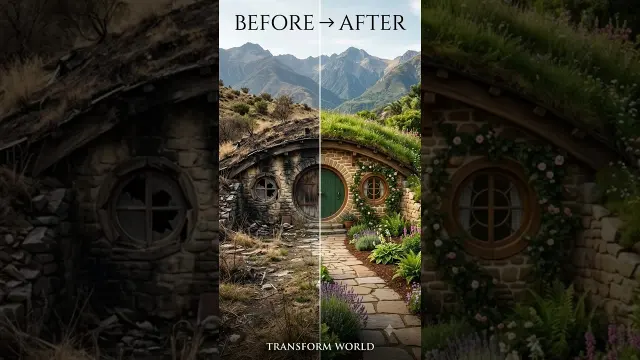
 Abandoned Hillside Hobbit House Transformation and Restoration
#Rustic Architecture
1 ideas
Abandoned Hillside Hobbit House Transformation and Restoration
Get new #Rustic Architecture ideas by email
Every Thursday: the week's best ideas, with the newest from #Rustic Architecture.
Related tags
Rustic Architecture Guide
Rustic architecture is a style that celebrates natural materials, simple forms, and a close connection to the landscape. It often feels warm, sturdy, and unpretentious, with an emphasis on texture rather than ornament. You’ll find it in rural homes, mountain retreats, cabins, farmhouses, lodges, and historic buildings where local materials and practical building methods shaped the design.
At its heart, rustic architecture grows out of necessity and place. Before modern construction was widely available, builders used what was near at hand: timber, stone, clay, thatch, and hand-worked metal. Over time, those practical choices became a recognizable style. Rustic buildings usually keep a visible sense of structure and craftsmanship, which is part of their charm. Marks of handwork, uneven surfaces, and natural variation are often valued rather than hidden.
Main features of rustic architecture
Common features include exposed wood beams, rough-hewn timber, stone walls or fireplaces, wide porches, and natural finishes. Interiors often feel open and grounded, with materials that age well and show character over time. Colors are usually drawn from the earth: browns, greys, warm creams, muted greens, and weathered tones.
Read more
Rustic architecture can be formal or informal, but it usually avoids anything too polished or glossy. The aim is not perfection. It is comfort, authenticity, and a sense that the building belongs to its setting.
Common types and influences
Rustic architecture appears in many forms, depending on region and tradition. Some of the most familiar include:
- Cabins and lodges, which often use logs, stone, and simple layouts
- Farmhouses, which blend practicality with a homey, lived-in feel
- Cottage-style homes, which may use wood siding, pitched roofs, and garden-facing details
- Mountain or chalet-inspired buildings, designed to suit colder climates and rugged terrain
- Vernacular homes, built from local customs and materials rather than formal architectural rules
Because it is rooted in local building traditions, rustic architecture can vary widely from place to place. That variety is part of what makes it enduring.
What to look for if you love the style
If you’re drawn to rustic architecture, pay attention to texture, proportion, and materials. A building does not need to be large or grand to feel rustic. Small details can matter just as much: a weathered door, a stone hearth, hand-finished wood, or simple window shapes can all create the feeling.
For a rustic home or interior, it helps to choose materials that age naturally and feel honest to their use. Wood, stone, linen, wool, clay, and wrought metal all suit the style well. Try to keep the overall design calm and uncluttered so the materials can stand out.
Practical tips for beginners
If you want to bring rustic architecture into your own space, start with balance. Too many heavy elements can make a room feel dark, while too few can lose the rustic character. Mix rough textures with softer surfaces, and pair sturdy materials with good natural light.
It also helps to respect the setting. Rustic design works best when it feels connected to its surroundings, whether that means a wooded plot, a countryside home, or simply a warm, natural interior. Focus on durability, simplicity, and comfort, and the style will feel timeless rather than themed.
Videos come from YouTube and posts from Instagram; titles and summaries are our own. All rights belong to their creators.