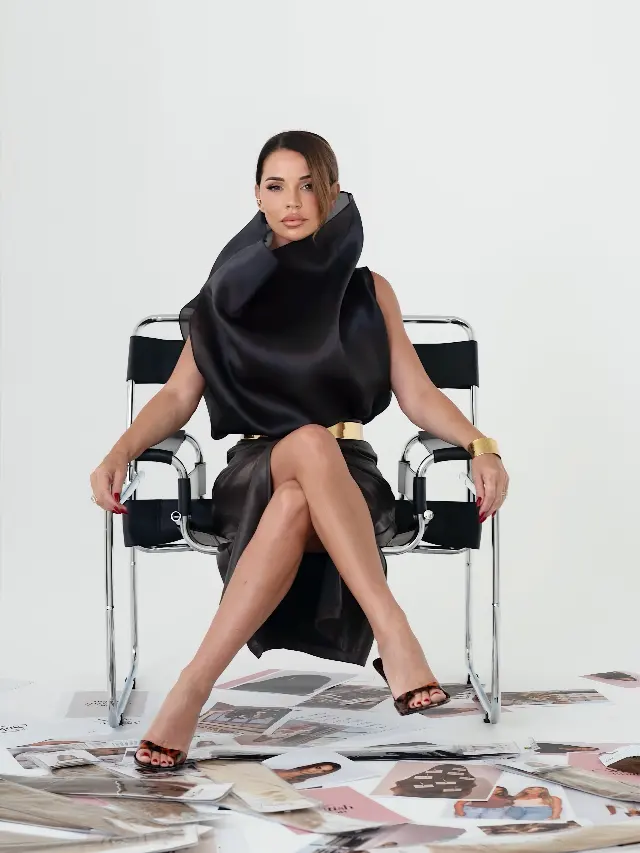
 Hair Extension Styling Shoot from a Dubai Salon
#Salon Styling
1 ideas
Hair Extension Styling Shoot from a Dubai Salon
Get new #Salon Styling ideas by email
Every Thursday: the week's best ideas, with the newest from #Salon Styling.
Related tags
Salon Styling: What to Expect and How to Make It Last
Salon styling is the part of hairdressing that focuses on how hair looks and behaves once it is finished: the shape, the movement, the shine. A cut creates the structure, colour changes the tone, but styling is what turns both into something you can see in the mirror. It is the reason two people can leave the same salon with the same cut looking completely different.
What Salon Styling Covers
Most salons divide styling into a few broad areas. A blow-dry smooths and shapes hair with heat and tension, and can finish sleek, bouncy or deliberately tousled. Occasion styling builds updos, braids, half-up looks and pinned chignons for weddings, parties and celebrations. Bridal and event styling usually includes a trial so the look can be adjusted before the day itself. Extension styling blends added lengths or volume into your own hair so the join looks natural. Some salons also offer styling for photo shoots, where the finish has to hold under strong light and last through long sessions.
The Consultation
Read more
Every good styling appointment starts with a short conversation. Bring pictures if you have them, but be ready to describe what you like about them, since a photo shows a result while your own hair has its own length, texture and growth pattern. Tell your stylist how much time you spend styling at home, whether you are comfortable with heat tools, and how the look needs to survive: a working day, a long evening, a flight, a whole wedding. Honest answers here matter more than any photograph.
Techniques You Will See
Stylists work with heat, tension and product rather than with any single trick. Rough-drying removes most of the moisture before a brush is used; sectioning and working in small, even pieces gives control; wrapping and pinning sets a shape that cools into place. Round brushes create bend, flat brushes polish, and diffusers encourage natural texture. Products are chosen for hold and finish rather than strength alone: a light spray for movement, a cream for smoothness, a serum for shine.
Before You Go
Arrive with hair that is clean but not freshly washed if your stylist has asked for that, since some styles grip better on second-day hair. Bring your own accessories if you have a clip or veil that must be worked in. If you are unsure how a style will hold in heat, wind or humidity, say so at the start rather than afterwards. And ask questions while the stylist works; watching where the brush goes is the fastest way to learn.
Making It Last
Sleep with a loose tie or a silk scarf rather than a tight band, and let a style fall out gently instead of brushing it hard the next morning. Refresh roots with a little dry shampoo or water rather than adding more product on top. Between appointments, a trim every few weeks keeps ends neat enough for styling to sit well. Above all, tell your stylist what worked and what did not, since that is how the next visit gets better.
#Salon Styling: frequently asked questions
What should I bring to a salon styling appointment?
Bring photos if you have them, but be ready to say what you like about each one rather than handing over the picture alone. It also helps to mention how much time you actually spend on your hair at home, whether you are comfortable using heat tools, and how long the finished look has to survive. Those details tell a stylist more than an image can, because your own length, texture and growth pattern decide what is achievable.
How should I prepare my hair before a styling appointment?
Follow whatever your stylist asks about washing, since many styles hold better on hair that is clean but a day past fresh. Bring any clip, veil or accessory that has to be built into the finished shape so it can be worked in as the style is set. If you are worried about how the look will cope with heat, wind or humidity, raise it at the start rather than at the end.
How do I choose between a blow-dry, an updo and extensions?
Start from the occasion and from how much upkeep you are willing to do afterwards. A blow-dry gives smoothness or movement for ordinary days, updos and braids suit celebrations and formal events, and extensions are for adding length or fullness where your own hair falls short. Ask your stylist which of these your hair will genuinely hold, rather than choosing purely by photograph.
What are the most common mistakes people make with salon styling?
One is showing a picture without explaining which part of it you want, which leaves the stylist guessing at the result you have in mind. Another is staying quiet about how long the style must last or what conditions it will face, then discovering the problem once you are out the door. Trying to revive a style with heavy brushing and extra product is the third, when a light refresh at the roots usually works better.
How can I make a salon style last longer?
Sleep with a loose tie or a silk scarf instead of a tight band, and let the shape fall out gently rather than brushing it out firmly the next morning. Refresh the roots with a little water or dry shampoo instead of layering more product on top of the old. Regular trims also keep ends neat enough for a style to sit properly between appointments.
Videos come from YouTube and posts from Instagram; titles and summaries are our own. All rights belong to their creators.