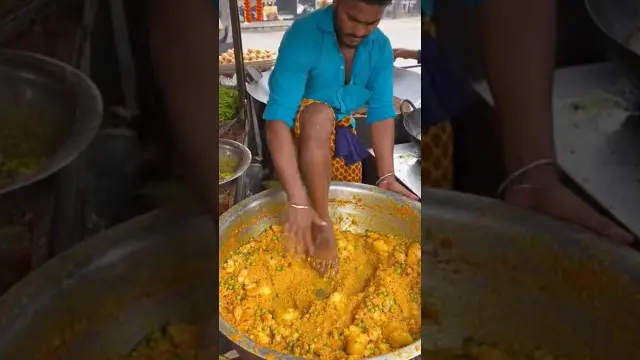
 Crispy Homemade Indian Samosa Snack Recipe
#Samosa Recipe
1 ideas
Crispy Homemade Indian Samosa Snack Recipe
Get new #Samosa Recipe ideas by email
Every Thursday: the week's best ideas, with the newest from #Samosa Recipe.
Related tags
Samosa Recipe: Crisp Spiced Pastry Pockets
What a samosa is
A samosa is a small, triangular or half-moon pastry filled with a savoury mixture and cooked until crisp and golden. It is widely enjoyed across South Asia and many other parts of the world, where it has become a familiar snack, starter, or tea-time food. The filling is often spiced potatoes, peas, onions, lentils, minced meat, or a mix of vegetables, but the idea stays the same: a flavourful filling wrapped in a thin dough shell.
Traditionally, samosas are known for their crisp outside and well-seasoned inside. They can be fried for a classic crunchy finish, or baked for a lighter texture. Either way, the charm of a good samosa comes from balance: a sturdy pastry, a dry filling that is not too wet, and seasoning that is warm rather than sharp.
The main styles
Read more
There is no single universal samosa. Different regions and home kitchens make them in different sizes and shapes, with different fillings and doughs. Some are small and snack-sized, while others are larger and more substantial. Some use a plain wheat dough, while others are made with added fat for extra flakiness.
Common filling styles include:
- Potato and pea
- Mixed vegetables
- Lentils or pulses
- Minced meat
- Cheese or paneer-style fillings in some home versions
The spices usually give samosas their familiar flavour. Cumin, coriander, chilli, ginger, garam-style spice blends, and fresh herbs are common choices, but you can keep the seasoning gentle if you prefer a milder result.
What beginners should know
The most important part of samosa-making is the filling. It should be cooked and cooled before wrapping, and it should be fairly dry. If the filling is too moist, the pastry can split or turn soggy. Mash potatoes lightly rather than making them completely smooth, so the texture stays pleasant.
The dough should be firm, not soft. A dough that is too wet is harder to shape and may absorb too much oil when fried. Letting the dough rest makes it easier to roll and shape. When you seal the samosas, press the edges well so they stay closed during cooking.
If you are frying them, keep the heat moderate. Very hot oil can brown the outside before the inside is ready. Gentle frying gives the pastry time to cook through and become crisp. If you are baking them, brush the outside lightly with oil so they colour more evenly.
Simple practical tips
- Cool the filling before assembling.
- Keep the dough covered so it does not dry out.
- Avoid overfilling the pastry.
- Seal edges with water or a little flour paste if needed.
- Let fried samosas drain on paper so they stay crisp.
- Serve them warm with chutney, yoghurt dip, or a simple salad.
Serving and variations
Samosas are often served as a snack, but they can also be part of a larger meal. They pair well with fresh, tangy, or mildly sweet accompaniments that balance the spiced filling. You can make them smaller for parties or larger for a more filling bite.
Once you know the basic method, samosas become very flexible. You can adjust the filling to what you like, choose your preferred shape, and decide whether you want a deep-fried classic or a lighter baked version. The key is simple: a well-seasoned filling, a good dough, and patient cooking.
Videos come from YouTube and posts from Instagram; titles and summaries are our own. All rights belong to their creators.