 Simplifying Finances With A Three Category Budgeting Method
#Saving Money
3 ideas
Simplifying Finances With A Three Category Budgeting Method
 Practical Money Management And Budgeting Tips For Low Income
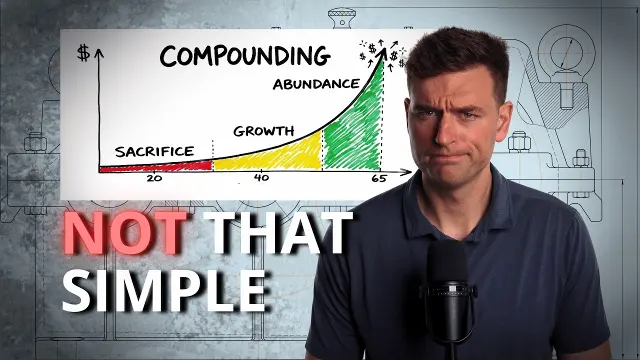 Debunking the Biggest Myths in Personal Finance
Get new #Saving Money ideas by email
Every Thursday: the week's best ideas, with the newest from #Saving Money.
Related tags
Saving Money: Practical Tips for Everyday Life
What saving money means
Saving money is the habit of spending less than you earn and setting some of the difference aside for later. It sounds simple, but in daily life it often takes planning, patience, and small repeated choices. People save for many reasons: to create a safety net, prepare for big purchases, reduce stress, or make room for future goals. Saving is not only about cutting costs. It is also about using your money with intention.
The idea has been part of everyday life for generations. Before modern banking, people kept money aside in jars, boxes, or simple accounts. Today, the tools may be different, but the purpose is the same: to give yourself more security and more choice.
Common ways to save
Read more
There are many approaches, and the best one is usually the one you can keep doing.
- Set aside a fixed amount regularly, even if it is small.
- Save a percentage of what you earn instead of waiting for “extra” money.
- Keep separate savings for different goals, such as emergencies, travel, or household needs.
- Reduce spending on things that do not matter much to you so you can spend more comfortably on what does.
- Look at recurring costs now and then to make sure they still suit your life.
Some people prefer to save first, then spend what remains. Others find it easier to track expenses carefully and save whatever is left at the end of the month. Both can work if they are realistic for your routine.
What beginners should know
If you are just starting, the most important thing is consistency. You do not need to save a large amount right away. A small habit repeated over time can be more effective than an ambitious plan you cannot maintain.
It also helps to be clear about your purpose. Saving feels easier when you know what it is for. A specific goal can make it more meaningful than a vague idea of being “better with money.”
Try to keep savings separate from everyday spending money if you can. That makes it less tempting to use it casually. At the same time, be kind to yourself. If your income changes or expenses are high, saving may need to begin slowly.
Practical tips for everyday saving
- Make a simple budget so you can see where your money goes.
- Plan meals and use a shopping list to avoid unnecessary purchases.
- Pause before buying nonessential things and ask whether you really need them.
- Compare options carefully, especially for regular expenses.
- Build habits around what you already do, such as saving on payday.
- Review your spending from time to time and look for patterns, not perfection.
A balanced approach
Saving money does not mean saying no to everything enjoyable. A sustainable approach leaves room for comfort, small pleasures, and ordinary life. The goal is not to feel deprived, but to feel prepared. When saving becomes a steady habit, it can support both your present needs and your future plans.
Videos come from YouTube and posts from Instagram; titles and summaries are our own. All rights belong to their creators.