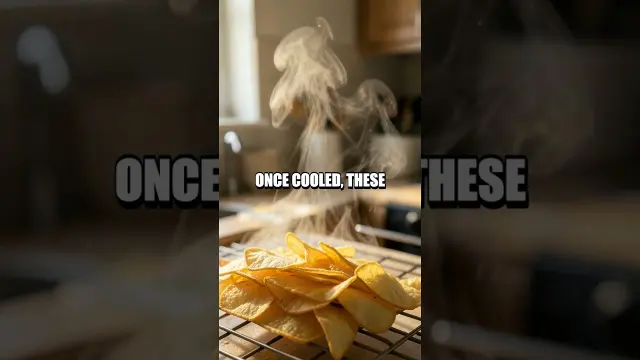
 Quick and Easy Yogurt Herb Crisps Snack Recipe
#Savory Snack
1 ideas
Quick and Easy Yogurt Herb Crisps Snack Recipe
Get new #Savory Snack ideas by email
Every Thursday: the week's best ideas, with the newest from #Savory Snack.
Related tags
Savory Snacks: A Guide to Salty, Crisp and Satisfying Bites
A savory snack is any small dish or bite eaten between meals that leans on salt, fat, umami or acidity rather than sugar. The idea is older than any recipe: as long as people have cooked, they have set aside small amounts of food to eat cold, quickly, or on the move — a piece of cheese, a handful of toasted seeds, a slice of cured meat, a scrap of bread fried in oil. What changes from place to place is the pantry behind it. Olive oil, olives and cured pork shape the snacks of the Mediterranean; pickles, chilli and fermented bean pastes shape those of East Asia; butter, rye and hard cheese shape those of northern Europe. The category is bound by function, not by ingredients.
The main kinds
- Crisp and dry: crackers, flatbreads, toasted nuts, seeds, popcorn, vegetable crisps, roasted chickpeas.
- Dips and spreads: hummus, baba ghanoush, tzatziki, tapenade, flavoured soft cheese, bean purées.
- Assembled bites: cheese boards, cured meats, devilled eggs, small toasts, stuffed vegetables.
- Fried items: fritters, samosas, tempura, croquettes — usually best eaten the moment they are ready.
- Pickled and fermented: olives, cornichons, kimchi, sauerkraut, marinated mushrooms.
What makes a savory snack work
Read more
The best ones balance five things: salt, fat, acidity, umami and crunch. A creamy dip alone feels flat; add something sharp and something crisp and it comes alive. This is why so many traditional pairings combine rich with sour — cheese with pickles, fried food with lemon, nuts with dried fruit. When you build a snack, ask which of the five is missing and add that.
Texture matters as much as flavour. Contrast is what keeps a snack interesting after the third bite: soft cheese with a crisp cracker, smooth hummus with raw vegetables, a warm fritter with a cool sauce.
Tips for beginners
Keep a small stock of reliable building blocks: good olive oil, a hard cheese, plain yogurt, lemons, nuts, seeds, canned chickpeas, and a jar of something pickled. From these you can improvise almost anything.
Toast nuts and seeds in a dry pan and season them while still warm — salt and spices cling better and the flavour deepens. Drain yogurt for a thicker dip. Salt vegetables shortly before serving so they stay crisp. Taste as you go, and remember that a snack eaten cold or at room temperature usually needs a little more seasoning than a hot dish.
Make ahead where you can: dips, marinated olives and roasted nuts keep for days in the refrigerator in covered containers, which makes the whole thing easier on a busy afternoon.
Finally, portion and pace. Savory snacks are easy to keep eating, so serve them in a bowl rather than from the packet, and let salty, rich foods sit alongside fresh vegetables, fruit and water. A snack is there to bridge a gap in the day, not to replace the meal.
#Savory Snack: frequently asked questions
What should I keep on hand to start making savory snacks at home?
You don't need a long list — a handful of dependable building blocks will let you improvise most things. Good olive oil, a hard cheese, plain yogurt, lemons, nuts and seeds, canned chickpeas and a jar of something pickled cover a surprising range of dips, toasts and assembled bites. Once those live in your cupboard, a snack is usually a matter of combining them rather than shopping for a recipe.
How do I decide which kind of savory snack to make?
Start with the moment rather than the recipe: something crisp and dry suits a desk or a walk, a dip suits a table where people linger, and fried items are worth making only when they can be eaten straight away. Then think about contrast, since soft wants something crunchy beside it and rich wants something sharp. Pick the texture you're missing and build the rest around it.
Why do my savory snacks taste flat even when I season them?
Flavour in a savory snack rests on a balance of salt, fat, acidity, umami and crunch, and a dip or spread that has only fat and salt will taste dull no matter how much you add. Reach for something sour and something crisp instead — a squeeze of lemon, a pickle, a toasted seed — and the whole thing sharpens. Cold and room-temperature food also needs a slightly heavier hand with seasoning than a hot dish does.
Can I prepare savory snacks ahead of time?
Yes, and it makes the whole thing far less rushed. Dips, marinated olives and toasted nuts all keep well for days in covered containers in the refrigerator, and they often improve as the flavours settle. Fried items are the exception — those are at their best the moment they're ready, so save them for when you're serving.
What are good savory snacks to put out when people come over?
A cheese board, a couple of dips with raw vegetables and crackers, and a few assembled bites give you variety without much last-minute work. Aim for contrast across the table: something creamy next to something crunchy, something warm next to something cool, something rich next to something pickled. Serving in bowls rather than straight from packets also makes it easier for people to pace themselves.
What mistakes should a beginner avoid?
The most common ones are salting vegetables too early, so they soften and weep, and putting out only rich, salty things with nothing fresh alongside. Taste as you go rather than trusting the recipe, and remember that a snack eaten at room temperature usually wants a touch more seasoning than you'd expect. Finally, set out what you're serving in bowls, since savory snacks are easy to keep eating straight from the packet.
Videos come from YouTube and posts from Instagram; titles and summaries are our own. All rights belong to their creators.