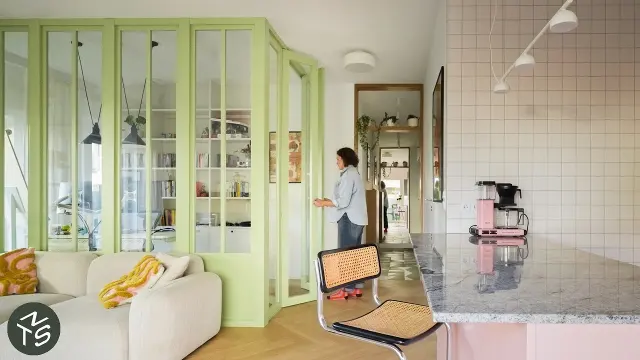
 Colourful 58sqm apartment transformed with clever storage
#Scandinavian Minimalist
1 ideas
Colourful 58sqm apartment transformed with clever storage
Get new #Scandinavian Minimalist ideas by email
Every Thursday: the week's best ideas, with the newest from #Scandinavian Minimalist.
Related tags
Scandinavian Minimalist: Calm, Functional Living
Scandinavian minimalism is an approach to interiors that grew out of the Nordic countries, where long dark winters, short days and modestly sized homes pushed design toward two goals at once: catching as much light as possible and making every object earn its place. The result is a style that looks spare at first glance but is usually warmer and more practical than it appears.
Its roots lie in Nordic craft traditions — carpentry, weaving, ceramics, glass — combined with the twentieth-century modernist belief that ordinary, well-made things should be available to everyone rather than reserved for the wealthy. Honest materials, simple construction and function before ornament are the through-lines that survived from those beginnings into the style as it is practised today.
What it actually means
Minimalism here is not emptiness. It is editing: fewer things, chosen with care, given room to be seen. A Scandinavian room usually keeps the walls light, the surfaces largely bare, and the floor visible, then adds softness through texture — wool, linen, wood grain, plants — so the space reads as calm rather than clinical. That warmth is essential to the style and is the part beginners most often leave out.
Read more
The main elements
- Light: pale walls and ceilings, sheer curtains, mirrors placed to catch daylight, as little as possible blocking the windows.
- Natural materials: pale woods such as birch, ash, pine and oak, alongside wool, leather, stone and handmade ceramic.
- A restrained palette: whites, greys and soft earth tones, with one or two accents allowed to repeat through the room.
- Functional furniture: clean lines, pieces lifted on legs so the floor runs underneath, and items that serve more than one purpose.
- Texture over pattern: patterns used sparingly, texture used generously.
Variations worth knowing
The classic version pairs white walls with pale wood and a single muted accent. A warmer, softer reading leans on cream, clay and sand tones with heavier textiles. A darker, more rustic version introduces black metal, raw timber and deeper greens or greys. All of them share the same discipline of restraint.
Practical starting points
Clear a room out before adding anything, then bring back only what you genuinely use or love. Choose a few larger pieces rather than many small ones, and resist filling window sills and shelves. Repeat one material family across the room so it feels deliberate. Layer your lighting — several small warm sources rather than one bright ceiling fixture — because a single overhead light flattens everything and undoes the effect. Build in closed storage so clutter has somewhere to go. Finally, leave empty space alone for a while before you decide it needs filling; most rooms need less than we think.
#Scandinavian Minimalist: frequently asked questions
How do I start making a room feel Scandinavian minimalist without gutting it?
Begin by emptying the space rather than buying anything: take things out, then return only what you genuinely use or love. After that, work with the light — pale walls, sheer curtains and clear windows — and let one material family repeat across the room so the result looks chosen rather than accidental. Empty space is best left alone for a while before you decide it needs filling.
What pieces do I actually need to get the look?
Fewer, larger items work better than many small ones: clean-lined furniture raised on legs, pale woods, and natural textiles such as wool or linen. Layer several small warm light sources instead of relying on one bright ceiling fixture, and build in closed storage so clutter has a home. A few handmade ceramics or a plant add the texture that keeps the room from feeling clinical.
Which variation of Scandinavian minimalism should I choose?
The classic reading pairs white walls with pale wood and a single muted accent, and suits rooms that want maximum light and air. A softer version leans on cream, clay and sand tones with heavier textiles for warmth, while a darker rustic reading brings in black metal, raw timber and deeper greens or greys. All three follow the same discipline of restraint, so pick by the mood you want rather than by trend.
How do I keep it feeling calm instead of cold and empty?
Warmth comes from texture, not from adding more objects — wool, linen, leather, wood grain, stone and greenery do most of the work. Keeping the palette restrained while varying the surfaces means the eye reads quietness rather than blankness. This is the step beginners most often skip, and it is what separates the style from plain emptiness.
What are the common mistakes people make with this style?
The biggest one is treating minimalism as emptiness and stripping the room of any softness, which leaves it looking clinical. Others are filling shelves and window sills, blocking daylight with heavy window treatments, and buying many small decorative pieces instead of a few well-chosen ones. A single bright overhead light is another frequent slip, since it flattens the layers the style depends on.
How do I keep clutter from creeping back in?
Plan storage before you style anything: closed cabinets and built-in solutions give everyday items somewhere to disappear to. Then follow the habit of editing rather than accumulating — when something new comes in, something else goes out. Surfaces stay largely bare by design, so anything that lands on them should be something you actually use.
Videos come from YouTube and posts from Instagram; titles and summaries are our own. All rights belong to their creators.