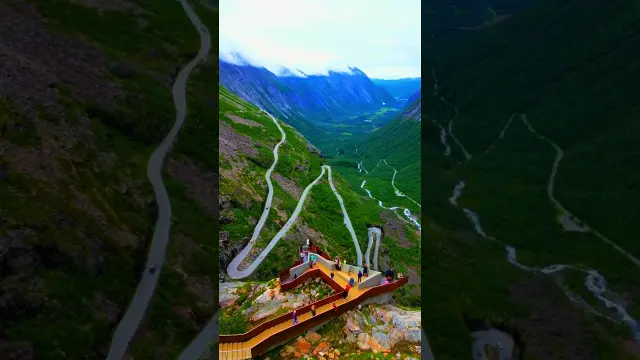
 A Visual Tour of the Most Beautiful Places on Earth
#Scenery
2 ideas
A Visual Tour of the Most Beautiful Places on Earth
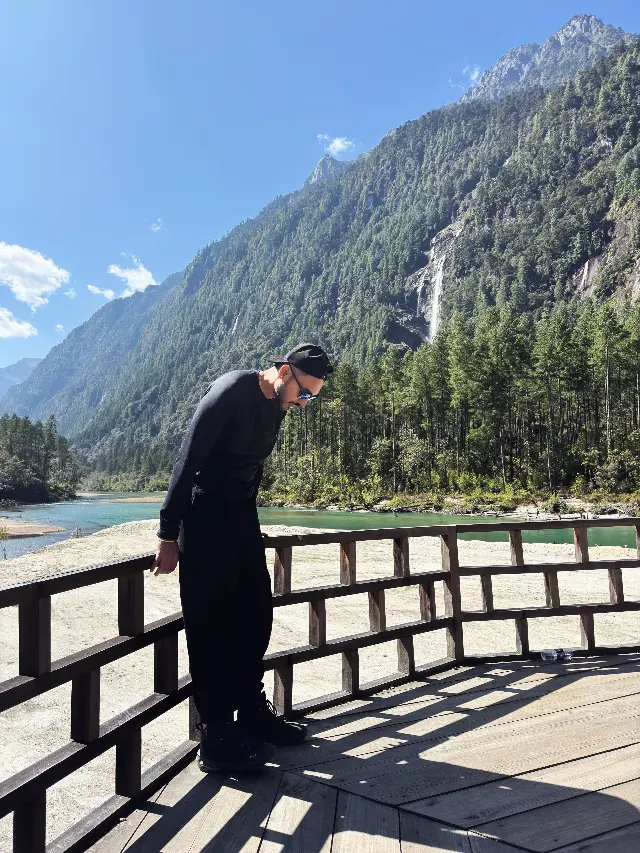 Peaceful mountain scenery and snowy peaks
Get new #Scenery ideas by email
Every Thursday: the week's best ideas, with the newest from #Scenery.
Related tags
Scenery and the Art of Looking Outward
What scenery means
Scenery is the visible setting around you: the land, water, sky, buildings, trees, and small details that shape a view. It can describe a wide natural landscape, a quiet street, a coastal horizon, or even a garden corner. In everyday use, scenery is often about the overall scene rather than one single object. It is what you notice when you step back and take in the whole picture.
People have always been drawn to scenery because it gives a sense of place. A mountain range feels different from a field, a harbor, or a city rooftop. Each kind of view has its own mood, rhythm, and texture. Scenery can be dramatic or gentle, open or enclosed, familiar or remote.
Common kinds of scenery
Read more
- Natural scenery: mountains, forests, lakes, rivers, fields, beaches, deserts, and skies
- Rural scenery: farms, country roads, hedgerows, meadows, and villages
- Urban scenery: streets, rooftops, parks, bridges, and city skylines
- Coastal scenery: cliffs, dunes, tide pools, harbors, and long horizons
- Seasonal scenery: the same place seen in different weather, light, or time of year
The appeal of scenery often comes from contrast. A snowy peak against a clear sky, a line of trees beside open water, or a busy street framed by old buildings can each create a strong visual impression. Even simple scenery can feel memorable when the shapes, light, and colors work together.
How to notice scenery well
When you look at a scene, try not to focus only on the most obvious feature. Notice the whole composition: foreground, middle distance, and background. Look for repeated shapes, paths that guide the eye, and changes in color or texture. Light matters too. Morning, midday, and evening can make the same place feel very different.
A few helpful habits:
- Pause before photographing or sketching a view
- Notice where your eye goes first
- Look for balance between open space and detail
- Pay attention to weather, shadows, and reflections
- Step a little to one side and see how the view changes
Scenery in art, travel, and daily life
Scenery has long been a subject in painting, drawing, photography, and film because it sets a mood and tells you something about a place. In travel, scenery often becomes part of the memory of a journey. In daily life, a pleasing view from a window, a walk through a park, or a quiet roadside can offer a small sense of rest.
You do not need a grand setting to appreciate scenery. Ordinary surroundings can become more interesting when you slow down and observe them closely. A row of houses at dusk, clouds moving over a field, or light on wet pavement can all count as scenery if they shape the feeling of the moment.
Tips for enjoying and capturing scenery
If you want to enjoy scenery more fully, give yourself time. Rushing makes even beautiful places feel flat. Stand still for a moment, notice the edges of the scene, and let your eyes travel across it. If you are taking photos, keep your framing simple and try to include a clear subject within the wider view.
For beginners, the main thing is to trust your eye. Good scenery does not always mean the biggest or most dramatic place. Often it is the view that feels balanced, calm, or memorable to you.
#Scenery: frequently asked questions
How do I start paying attention to scenery around me?
Begin by pausing rather than rushing past a view, then let your eyes move across the whole scene instead of locking onto one obvious feature. Notice what draws your attention first, then look at the foreground, the middle distance, and the background in turn. Doing this regularly turns ordinary walks and window views into something worth looking at.
What do I need to capture scenery well?
You mainly need time and a willingness to slow down, since hurrying flattens even a striking view. Keep your framing simple and try to include one clear subject within the wider scene so the image has a focal point. Beyond that, patience with changing light and weather matters more than elaborate equipment.
Which kind of scenery should I choose to look at or photograph?
It depends on the mood you want, since natural, rural, urban, and coastal settings each carry a different rhythm and texture. Pick whatever is close at hand and interesting to you rather than chasing the most dramatic location, because a balanced ordinary view often feels more memorable. Contrast is usually what makes a scene work: peaks against sky, trees beside water, or old buildings framing a street.
How can I make the same place look different over time?
Light is the biggest factor, so visit at different hours and let morning, midday, and evening change how the place reads. Weather, shadows, reflections, and the season all shift color and texture too. Returning to a familiar spot in different conditions is one of the easiest ways to keep a view fresh.
What mistakes do beginners make with scenery?
The most common one is focusing only on the single most obvious feature and ignoring the rest of the composition. Another is rushing, which leaves no time to notice balance between open space and fine detail. Stepping slightly to one side and re-checking the view often fixes a scene that feels flat.
Do I need to travel far to enjoy good scenery?
No, since scenery is simply the visible setting around you, and ordinary surroundings become more interesting when you observe them closely. A row of houses at dusk, clouds over a field, or light on wet pavement can all shape the feeling of a moment. The habit of looking carefully matters more than the grandeur of the location.
Videos come from YouTube and posts from Instagram; titles and summaries are our own. All rights belong to their creators.