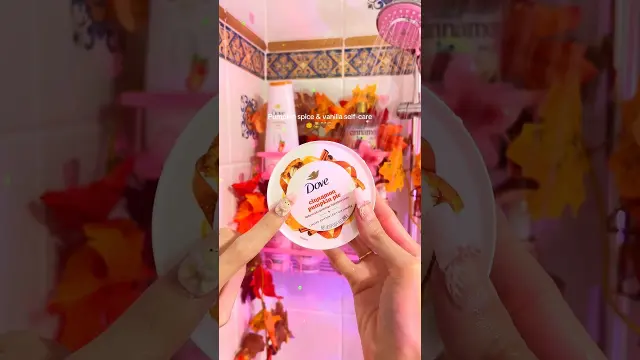
 Pumpkin and Vanilla Scented Morning Shower Routine
#Scents
1 ideas
Pumpkin and Vanilla Scented Morning Shower Routine
Get new #Scents ideas by email
Every Thursday: the week's best ideas, with the newest from #Scents.
Related tags
Scents: A Beginner's Guide to Fragrance and Home Scent
Scent is the quietest of the senses — you notice it only when it arrives, and then it stays in memory far longer than a picture does. A perfume, a candle, a bowl of spices warming on the stove: all of them work the same way, releasing molecules that drift up to receptors in your nose and land, quite directly, in the parts of the brain tied to emotion and recall. That is why a scent can bring back a kitchen, a person or a summer afternoon before you have had time to name it.
The fragrance families
Most scents, however expensive or simple, fall into a handful of families. Floral scents centre on rose, jasmine or orange blossom and range from fresh-picked to heavy and velvety. Citrus notes — lemon, bergamot, neroli — are bright and short-lived, which is why they usually open a fragrance rather than hold it together. Woody scents lean on cedar, sandalwood and vetiver: dry, warm and steady. Amber and resinous scents use labdanum, vanilla, incense and balsam for depth. Green and aromatic scents smell of cut leaves, herbs and moss. Gourmand scents borrow from the kitchen — vanilla, caramel, almond, coffee — and are the ones people tend to either love or find too sweet.
How strength is measured
Read more
The difference between one bottle and another is often concentration, not quality. Cologne and eau de toilette carry the least fragrance oil and sit closest to the skin; eau de parfum is richer and lasts longer; parfum or extrait is the most concentrated and is applied in the smallest amounts. A fragrance also unfolds in stages, opening sharp and settling into a softer base over hours — which is why you should never judge a scent in the first minute.
Wearing scent well
Test on skin, not paper, and give it twenty minutes to settle; body chemistry changes everything. Apply to pulse points where skin is warm, and mist lightly rather than drenching. Layering works best with scents that share a note — a citrus cologne over a woody base, for instance. Store bottles away from light and heat, tightly closed, and they will keep far longer than most people expect.
Scent at home
Candles, reed diffusers, wax melts, linen sprays and simple simmered herbs all do the same job: they set the tone of a room. Keep home fragrance lighter than what you wear, ventilate regularly, and be considerate of people with asthma or allergies. Never leave a flame unattended, and keep anything scented out of reach of children and pets.
Start with one note you love and build outward. Scent is personal, and the best guide is your own nose.
Videos come from YouTube and posts from Instagram; titles and summaries are our own. All rights belong to their creators.