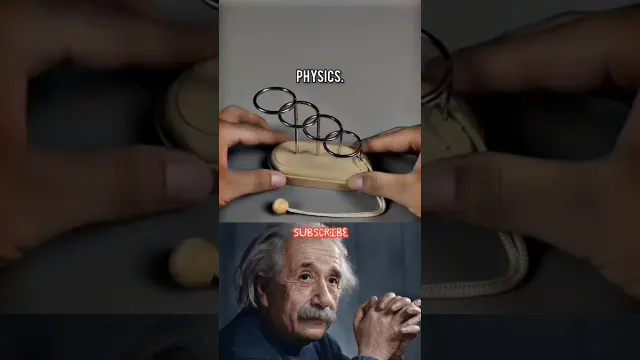
 A Simple Physics Demonstration and the Principles Behind It
#Science Demonstration
1 ideas
A Simple Physics Demonstration and the Principles Behind It
Get new #Science Demonstration ideas by email
Every Thursday: the week's best ideas, with the newest from #Science Demonstration.
Related tags
The Art of the Science Demonstration
A science demonstration is a deliberate, visible enactment of a natural principle. Instead of describing how pressure, gravity, light or electricity behave, you set up a situation in which the behaviour happens in front of an audience. The point is not spectacle for its own sake, but the moment when an abstract rule becomes something a person can watch and then explain.
The practice is old. Travelling lecturers once carried cabinets of instruments from town to town, and public demonstrations of electricity, air pressure and astronomy drew paying audiences long before science was a school subject. That tradition shaped the modern classroom demonstration, the museum floor show and the science fair table alike. Underneath the variety, the aim has stayed the same: make the invisible legible.
What a demonstration is for
A good demonstration does three jobs at once. It creates curiosity, it makes a concept concrete, and it gives the audience a shared experience to reason about afterwards. A demonstration that only surprises has failed halfway; the surprise has to lead somewhere. The strongest ones end with a question rather than a bow.
Read more
Main kinds
- Physics demonstrations: pendulums, falling bodies, balancing objects, air pressure, magnets, optics, sound and vibration.
- Chemistry demonstrations: colour changes, dissolving and crystallising, density layers, simple reactions with safe household substances.
- Biology and earth science demonstrations: growth, diffusion, water cycles, models of the body or of geological processes.
- Kitchen and everyday science: demonstrations built from ordinary materials, which are often the most memorable because the audience can repeat them at home.
The predict, observe, explain pattern
A reliable structure is to ask the audience what they expect, run the demonstration, then ask what they actually saw, and only then offer the explanation. Prediction makes people commit to an idea, and being wrong is what makes the correct explanation stick. Resist explaining first: once the answer is given, the audience stops looking.
What beginners should know
Start with a single clear effect. A demonstration with three variables usually produces confusion rather than wonder. Practise it beforehand until the setup is boring to you; the audience should be watching the phenomenon, not your hands. Keep materials few and visible, choose a position where everyone can see, and narrate what you are doing in plain language.
Safety comes before drama. Use eye protection when anything can splinter, splash or spray. Avoid open flames, strong chemicals and high voltages unless you are trained and supervised, and never demonstrate something you have not tested. If a result is unreliable, say so honestly rather than pretending it worked.
Finally, connect the demonstration to something familiar, and tell people how to try a safe version themselves. The demonstration ends on the table; the curiosity it starts is meant to leave the room.
#Science Demonstration: frequently asked questions
How do I get started with a science demonstration?
Pick one clear effect you want the audience to watch and build everything around that single result. Rehearse it until the setup feels routine, because a fumbling presenter pulls attention away from the phenomenon itself. Then decide what you will say before, during and after, so the explanation lands right after the surprise.
What do I actually need to put a demonstration together?
Far less than most people expect — ordinary household materials often carry a demonstration perfectly well, and keeping the materials few and visible helps the audience follow along. Beyond supplies, you need a spot where everyone can see the setup and a plain-language running commentary of what you are doing. Add eye protection whenever anything could splinter, splash or spray.
Which kind of science demonstration should I choose?
Choose the area that best matches the idea you want to make visible — motion and forces, colour and dissolving, growth and diffusion, or something drawn from everyday life. Kitchen-based demonstrations are often the most memorable because the audience can repeat them at home afterwards. Whatever you pick, favour one that produces a single unmistakable effect over one with several things happening at once.
How do I keep an audience engaged during a demonstration?
Ask them what they think will happen before you begin, then let them report what they actually saw before you offer any explanation. Prediction makes people commit to an idea, and discovering they were wrong is what makes the real explanation stay with them. Ending on an open question rather than a tidy conclusion keeps the curiosity alive after the demonstration is over.
What mistakes should a beginner avoid?
The most common slip is explaining too early — once the answer is out, the audience stops looking closely. Adding extra variables is another, since a demonstration with too much going on produces confusion instead of wonder. Never present something you have not tested, and if a result turns out to be unreliable, say so honestly rather than pretending it worked.
Can I use a demonstration for a family occasion or gathering?
Yes, and everyday science is usually the safest fit, since it relies on ordinary materials rather than flames, strong chemicals or high voltage. Keep it short, make sure the setup is visible to everyone in the room, and finish by showing people how to try a safe version themselves later. The demonstration ends on the table; the curiosity it starts is meant to travel home.
Videos come from YouTube and posts from Instagram; titles and summaries are our own. All rights belong to their creators.