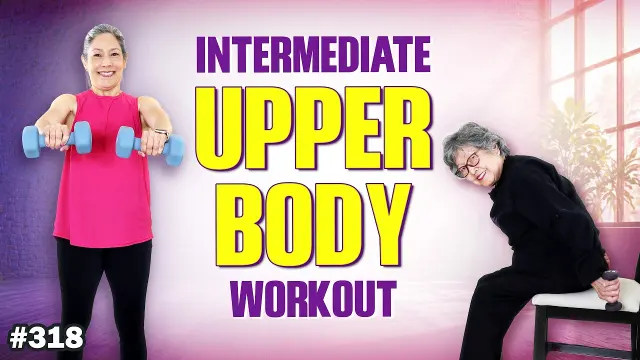
 Seated or Standing Upper Body Weights Workout for Seniors 50+
#Senior Fitness
2 ideas
Seated or Standing Upper Body Weights Workout for Seniors 50+
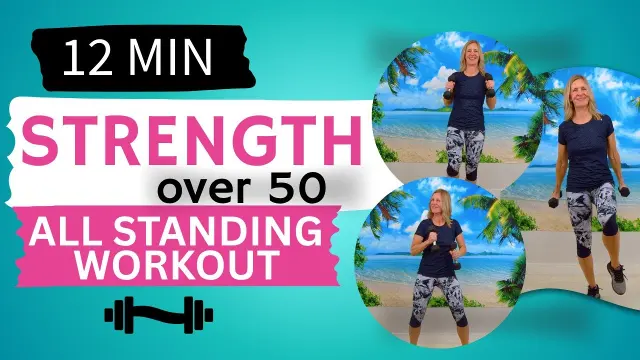 12-Minute Dumbbell Strength Workout for Women Over 50 at Home
Get new #Senior Fitness ideas by email
Every Thursday: the week's best ideas, with the newest from #Senior Fitness.
Related tags
Senior Fitness: A Gentle Guide to Staying Strong and Active
Senior fitness is simply the practice of moving your body regularly in later life, in ways that keep everyday tasks comfortable and keep you independent. It is not about chasing the training routines of a much younger person, and it is not a competition. It is a broad, adaptable approach that meets you where you are, whether you have exercised for years or are starting from a chair in your living room.
What it usually includes
Most good senior fitness routines mix a few kinds of movement rather than focusing on one:
- Strength work, using light dumbbells, resistance bands, household objects or your own body weight. It can be done seated or standing, and it is what keeps carrying, lifting and pushing possible.
- Aerobic movement that raises your breathing a little: walking, swimming, cycling, dancing, gardening. The point is duration and regularity more than speed.
- Balance practice, such as standing on one foot while holding a worktop, heel-to-toe walking, or tai chi. Balance is a skill, and like any skill it improves with gentle repetition.
- Mobility and flexibility, including slow stretches and joint circles, which help you turn, reach and get up from a chair without stiffness.
Read more
Why it is worth the effort
Muscles and bones respond to being used at any age. Regular movement makes the ordinary things easier: climbing stairs, getting out of a low chair, carrying shopping, kneeling down to play with a grandchild. It also tends to lift mood and support better sleep, and the confidence that comes with feeling steadier on your feet is often the benefit people notice first.
Starting out
Begin below what you think you can manage. Two short sessions a week, done consistently, are worth far more than one ambitious session that leaves you sore and discouraged. Learn each movement without weight first, at a slow pace, and only add resistance once the pattern feels natural. A few minutes of easy movement beforehand, such as marching on the spot or rolling your shoulders, is enough of a warm-up.
If you have a health condition, have had a fall, or have not been active for a long time, speak to a doctor or physiotherapist before you start and ask what is suitable for you.
Practical things that help
- Wear supportive shoes and clear a space you can move in without tripping.
- Keep water within reach and a sturdy chair nearby for support.
- Breathe steadily through each movement rather than holding your breath.
- Stop if you feel sharp pain, dizziness or chest discomfort, and seek advice.
- Increase difficulty slowly, in small steps, rather than all at once.
- Build in rest days; the body adapts between sessions, not during them.
Keeping it going
Company makes a difference. A class, a walking partner or a friend who checks in can turn exercise from a chore into something you look forward to. Vary what you do so it stays interesting, and be patient with slow weeks. Progress in later life is rarely dramatic, but it is remarkably steady when you keep showing up.
#Senior Fitness: frequently asked questions
How do I start senior fitness if I haven't exercised in years?
Start below what you think you can manage, with short, easy sessions you can repeat consistently rather than one ambitious effort that leaves you sore. Learn each movement first with no added resistance and at a slow pace, and only add weight or resistance once the pattern feels natural. A couple of minutes of gentle marching on the spot or shoulder rolls is plenty of warm-up.
What do I actually need to get started at home?
Very little beyond supportive shoes, a clear space you can move in without tripping, water within reach and a sturdy chair nearby for support. Light dumbbells, resistance bands or ordinary household objects can be added later for strength work. Many movements can be done seated or standing with just your own body weight.
Should I focus on strength, cardio, balance or stretching?
A good routine mixes them rather than picking one, because each supports something different in daily life. Strength keeps carrying and lifting possible, aerobic movement like walking or swimming builds stamina, balance practice makes you steadier on your feet, and mobility work keeps turning and reaching comfortable. Varying what you do also keeps it interesting enough to continue.
What are the most common mistakes when starting out?
The usual ones are starting too hard, adding resistance before a movement feels natural, holding your breath instead of breathing steadily, and skipping rest days. The body adapts between sessions rather than during them, so recovery is part of the routine. Progress tends to be steady rather than dramatic when you keep showing up.
How do I stay motivated and keep going?
Company helps a great deal, whether that is a class, a walking partner or a friend who checks in on you. Varying your activities stops them feeling like a chore, and being patient through slow weeks matters more than chasing quick improvement. If you have a health condition, have had a fall, or have been inactive for a long time, ask a doctor or physiotherapist what is suitable for you before you begin.
Videos come from YouTube and posts from Instagram; titles and summaries are our own. All rights belong to their creators.